

Egypt’s Food Security: A Sustainable Development Strategy
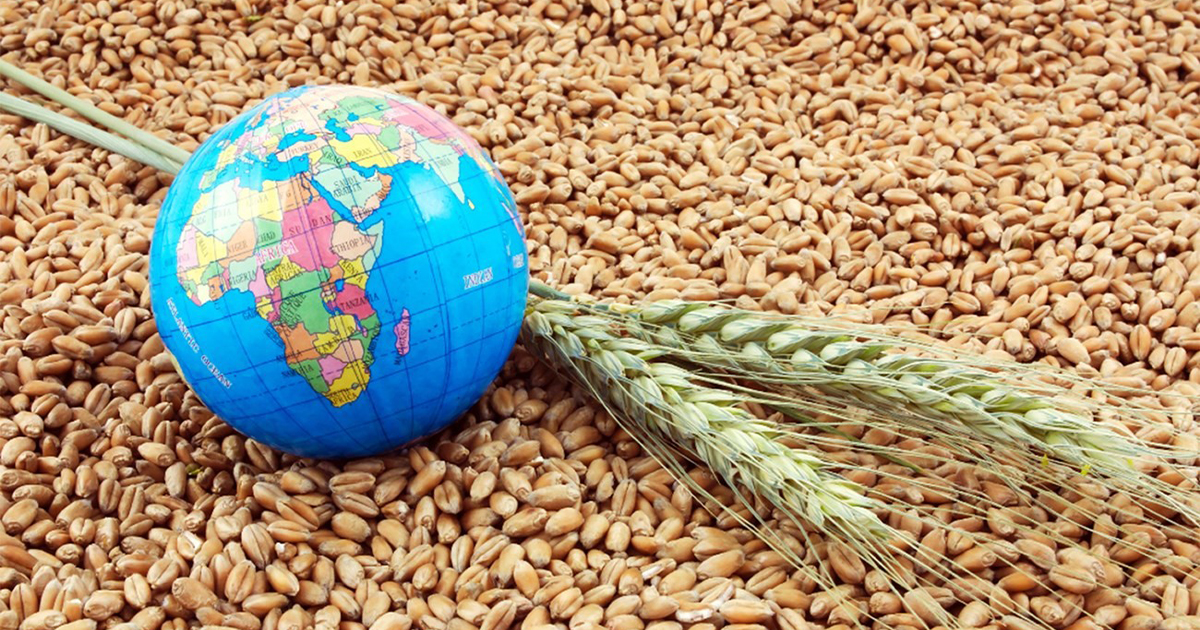

Food security in Egypt…a strategy for achieving sustainable development
From wars, epidemics and climate change, food security has emerged as a top priority in international and national policies. وفي مصر تتقاطع التحديات الاقتصادية مع طموحات التنمية، وقد اختارت الدولة طريقًا استباقيًّا يقوم على تعزيز احتياطي السلع الأساسية، وضمان استمرارية الإمدادات، وتحقيق الاستدامة في إدارة منظومة التموين، باعتبارها جزءًا من رؤية متكاملة تضع المواطن في صدارة أولوياتها، وتتوافق معأهداف التنمية المستدامة 2030.
This system was not just a reaction to crises, but was woven with proactive strategic threads that took into account regional and international variables, and was based on a careful analysis of future needs and anticipating crises before they occur. This contributedThe approach is to enable the state to build a strong food safety network that protects the most vulnerable groups and ensures that support reaches those who deserve it.
This integrated approach was reflected in a group of policies and initiatives adopted by the state, with the aim of translating the strategic vision into a tangible reality, as the umbrella of food support expanded to include wide segments of citizens, and intervention tools diversified to include support for bread and basic commodities, strategic stock management, and development of storage infrastructure, in addition to employing technology and digitization, encouraging local products, and strengthening community partnerships, which are axes that in their entirety constitute a cohesive system that contributes to consolidating food security. As a main pillar of sustainable development.
Support for bread and basic goods
At the forefront of these axes is the system of supporting bread and basic commodities, which is the cornerstone of the strategyFood protection, because it represents a direct guarantee of providing the daily needs of citizens, especially for the most needy groups, and which reflects the state’s commitment to achieving social justice and consolidating the right to food as one of the basic human rights, as the state provides a loaf of local bread to about 69.5 million citizens, with a total of 94.9 billion loaves of loaves annually, with funding amounting to 98 billion pounds. In conjunction with this, the Ministry provides 30 subsidized basic commodities to about 61.5 million citizens, with a total annual support for food commodities amounting to 36 billion pounds.
This support is distributed through more than 40,000 outlets nationwide, including “supply exchanges,” “Jamiati” outlets, consumer complexes, and mobile vehicles, ensuring access to remote and marginalized areas, ensuring that goods reach the most remote and needy areas. This system represents an infrastructure that has a social and economic nature at the same timeOne, and it constitutes an essential pillar in enhancing the sustainability of social protection, containing price fluctuations, and alleviating the burdens on low-income families, especially in times of crises, and it also contributes to establishing a regulatory framework that supports the good governance of food resources.
These steps are consistent with the Sustainable Development Goals (SDGs), especially Goal (2) of the Sustainable Development Goals (SDGs), which calls for eliminating hunger, achieving food security, and promoting sustainable agriculture, in addition to Goal (1) related to the eradication of poverty, and Goal (10) concerned with reducing social gaps.
Strategic Inventory Management
One of the most prominent manifestations of the Ministry of Supply’s success is its ability to maintain a safe strategic stock sufficient for more than 6 months of basic commodities, at a time when global markets are facing sharp fluctuations, and this stock comes as a result of careful plans for local supply and the diversity of sources.import; The quantities of local wheat supplied in the 2024/2025 season amounted to about 3.5 million tons, with the diversification of wheat import sources to 22 approved origins, which reduces potential geopolitical risks and enhances long-term food security.
The Ministry also implemented successful initiatives to reduce the prices of meat and eggs, and organized seasonal exhibitions such as “Welcome Ramadan” and “Ahlan Schools,” which played a major role in controlling prices and providing basic goods to low-income groups, especially during seasons that usually witness a rise in prices.
Silos and storage are national projects
The Ministry was not satisfied with managing the current stock, but rather began implementing an ambitious plan to increase storage capacities from 3.4 million tons to 6 million tons, through developing the national silo project, and this includes expanding the infrastructure for river and railway transport.To reduce waste and transportation costs.
For example, the Tahta Silo in Sohag Governorate was developed to increase its capacity from 60,000 tons to 90,000 tons, at a cost of 124 million pounds, within a path that includes manufacturing components locally and reducing dependence on imports, which contributes to strengthening local supply chains and supporting national industries. Large investments have also been directed to equipping silos in accordance with the latest standards, and training human cadres to manage modern facilities, which enhances the sustainability of the food system and reduces waste rates in one of the most important strategic commodities.
Technology and Digitization
The Ministry of Supply has adopted a package of modern digital solutions to enhance the efficiency of the supply system. It launched the wheat trading governance system in 28 locations, with plans to generalize the experience nationwide. Consumer complex data has also been automatedand wholesale companies, to facilitate the monitoring process and ensure transparency.
These initiatives come within the framework of a broader strategy for digital transformation in the supply sector, which includes developing the laser stamping system and modernizing coding mechanisms. Which enhances the quality of goods and protects the consumer. This transformation also contributes to tracking the flow of goods from the source to the consumer, which reduces waste and prevents tampering.
In the same context, technology has enabled the Ministry to anticipate seasonal crises and ensure a quick and effective response, whether in terms of inventory or prices, which places Egypt at the forefront of countries that have integrated artificial intelligence and digitization in the supply sector, within the framework of an integrated vision towards “smart management of food security.”
Encouraging local products
In parallel with consumer support, the state was interested in strengthening the position of the local product; فتم تحديد أسعار استرشاديةFor wheat and other crops, with an increase in the supply price by 25% over last year, this step not only supports farmers, but also contributes to stabilizing the market and encouraging national production.
The Ministry also launched intensive oversight campaigns to confront monopoly and control prices, as part of its effort to provide a fair trade environment, and it is no secret that these measures aim to enhance citizen confidence in local markets, strengthen value chains, and raise the operational efficiency of the food sector, and thus pave the way for building a competitive market that serves all parties, from producer to consumer.
Development partnerships for community service
The Ministry of Supply did not neglect the societal dimension in its strategy; It expanded the “My Association” project by opening 259 new outlets, bringing the total to 8,474 outlets. It provided more than 25,000 direct job opportunities and developed 44 mall branches.Consumerism, to ensure the availability of goods at competitive prices and high quality.
In continuation of this approach, the “One Day Market” initiative was circulated in 15 governorates, through 24 mobile markets, with the aim of reducing trading episodes and linking the product directly to the consumer. This reduced prices in some areas. These initiatives contribute to integrating the informal economy and providing flexible job opportunities for youth and women.
The Ministry also strengthened its partnerships with national bodies such as the “Decent Life” Foundation, the National Alliance for Civil Work, and the Ministry of Endowments, in order to direct support to the most needy groups, and these partnerships extended to cooperation with the private sector and international institutions, to develop food industries and establish integrated commercial and logistical areas.
In light of this comprehensive vision, it is clear that Egypt does not deal with food security as a separate issue, but rather places it at the heart ofIts strategy to achieve sustainable development and social justice, through an integrated system that combines direct support, infrastructure expansion, digital transformation, empowering local products, and strengthening development partnerships.
HenceEarth Guards believes that this experience represents an effective model for transforming crises into opportunities, policies into tools for human protection, and stocks into a guarantee of dignity. فالأمن الغذائي، كما يتجلى في هذه التجربة، ليس فقط غاية تنموية، وإنما هو ركيزة أساسية لبناء مستقبل لا يُترك فيه أحد خلف الركب.


