

Hurricane Lala hits Hawaii.. More than 40,000 are without electricity, with flood warnings
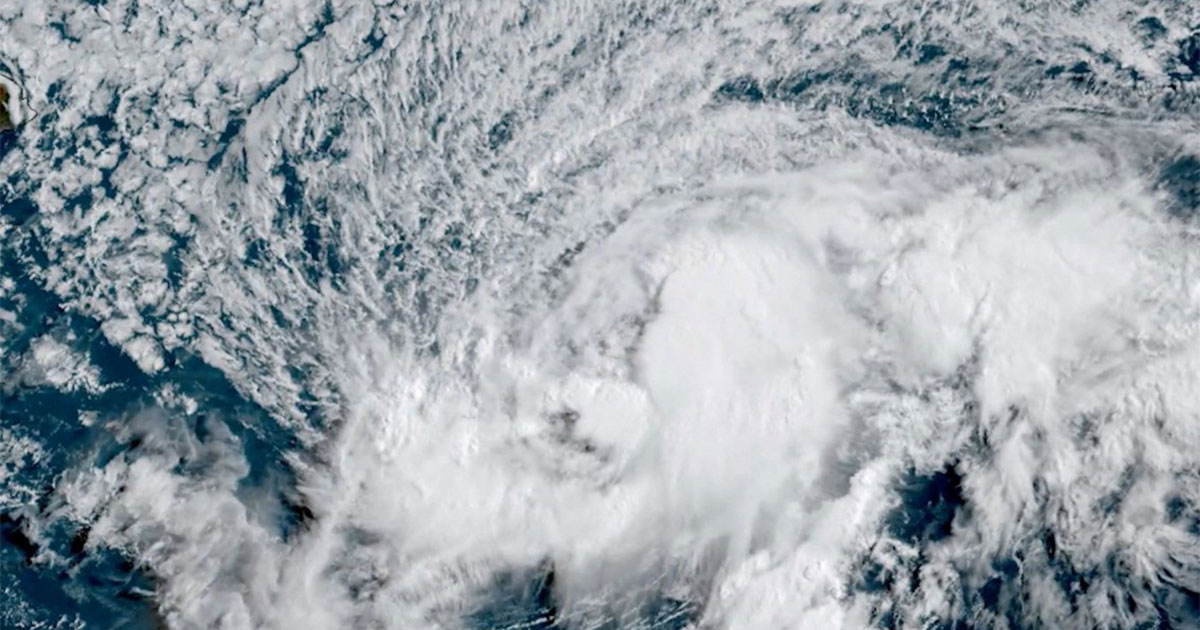

Hurricane Lala hits Hawaii.. More than 40,000 are without electricity with flood warnings
With the intensification of the hurricane season in the Pacific Ocean, the Hawaiian Islands are facing a new test of the ability of their infrastructure and basic services to withstand extreme weather, after “Hurricane Lala” began to impose its impact on electricity and transportation, and this coincides with warnings of heavy rains that may cause dangerous floods and mudslides.
The hurricane approached Hawaii, accompanied by strong winds and heavy rain, leaving more than 40,000 homes and facilities without electricity, at a time when the National Hurricane Center warned of potentially life-threatening conditions, especially in areas with steep terrain.
The data showed an outagePower to 42,889 homes and businesses across Hawaii, including 31,792 on the Big Island and 7,203 in Maui County. As Hurricane Lala moved west across Hawaii, the storm became a direct test of the ability of power grids, transportation and ports to survive under the pressure of extreme weather.
More than 40 thousand are without electricity
The hurricane left tens of thousands of homes and businesses without power, with the bulk of the outages concentrated on the Big Island. The Hawaii Electricity Company warned of the possibility of some outages continuing for extended periods that may extend into the night hours, while technical teams worked to assess the extent of the damage to the network.
On the coast of Hamakua on the Big Island, maintenance teams began examining an extension of about 67 kilometers of electricity transmission lines, after trees fell on a number of…Columns and structures; This is a scene that reveals one of the most prominent aspects of the effects of Cyclone Lala, as a single failure in transmission lines can quickly affect other services that depend on electricity for operation and emergency response.

Life-threatening rain
The electricity crisis coincided with warnings of large amounts of rain, and the National Hurricane Center expected between 10 and 20 inches of rain to fall on the Big Island; This is equivalent to about 25.4 to 51 centimeters, with the amount possibly reaching 25 inches in some areas.
Expectations also ranged between 8 and 12 inches in eastern Maui, and between 4 and 6 inches in the west of the island, and the center warned that these amounts may lead to dangerous floods and mudslides, especially in areas with severe terrain.Slope, where water flow and soil saturation increase the possibility of some collapses occurring.
Here, Cyclone Lala’s connection to Goal 13 of the Sustainable Development Goals (SDGs) on climate action is highlighted, specifically Goal 13.1, which calls for strengthening resilience and adaptation to climate hazards and natural disasters.
Category 1 winds
The hurricane’s sustained winds reached about 75 mph, the level that classified Lala as a Category 1 hurricane. At the summit of Mauna Kea, the highest point on the Big Island, the weather center recorded gusts exceeding 100 mph in the afternoon.
Although the winds are slower at sea level, these numbers reflect the intensity of the atmospheric system and its ability toCausing damage to trees, power lines, and exposed structures. The combination of strong winds and heavy rain also illustrates how the same storm can put pressure on more than one part of infrastructure at the same time. From electricity to roads and airports.
Closure of ports and airports
The repercussions of Hurricane Lala reached transportation traffic, after the Hawaii Department of Transportation announced the closure of “Hilo International Airport,” in addition to the closure of “Ellison Onizuka Kona International Airport” in Kihuli. Authorities also closed commercial ports on the island of Hawaii, Maui County and Kauai, in a measure that reflects the level of dangers associated with wind and sea conditions.
These closures are particularly important in a state consisting of a group of islands, where airports and ports play an essential role in the movement of residents, supplies and goods. And it intersectsThis is with Goal 11 of the Sustainable Development Goals (SDGs), concerned with sustainable cities and communities, especially Goal 11.5, which aims to reduce human and economic losses resulting from disasters, and enhance the ability of communities to confront them.
In conclusion, the developments of Cyclone Lala reveal how a strong storm can transform, in hours, into simultaneous pressure on electricity networks, transportation, and ports, with an increased risk of floods and mudslides. Therefore, The Earth Guards Foundation indicates that such events highlight the importance of investing in more resilient infrastructure, along with early warning systems and emergency plans capable of dealing with natural disasters. In order to achieve the concept of sustainable cities.


