

Solar energy in Africa… a rapid boom and Egypt is second in supporting clean energy

Solar energy in Africa… a rapid boom and Egypt is second in supporting clean energy
The energy sector in Africa is witnessing an accelerating transformation with a significant expansion in the use of solar energy, driven by the falling costs of its technologies and the growing need for more stable and cleaner sources of electricity, with the rise of new capacities and the expansion of the use of distributed systems, which opens the way for reducing dependence on fossil fuels and reducing emissions associated with electricity production.
The African continent is at the forefront of the regions that offer broad opportunities for expansion in solar energy, benefiting from its natural resources and increasing needs for electricity. This transition gives African countries an opportunity to enhance energy security, reduce emissions, and develop new related industriesWith clean energy, which opens a development path that combines transformation in energy sources and enhancing the economic and industrial capabilities of the continent.
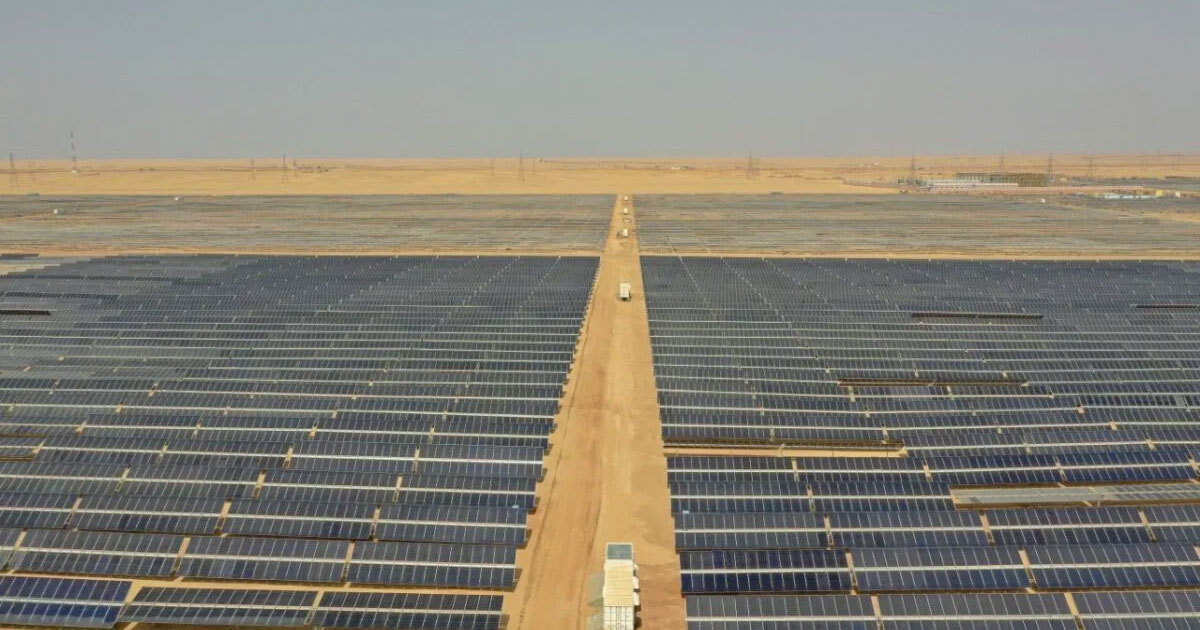
Egypt stands out within this transformation with the expectation of adding about 2 gigawatts of solar capacity during the year 2026, in addition to the growth of local manufacturing of solar panels and the expansion of opportunities to export them to African markets. This development gives Egypt an opportunity to enhance its role in the clean energy path on the continent.
Solar energy takes off in Africa
In light of this, the Information and Decision Support Center of the Council of Ministers highlighted the report issued by the Ember Center for Energy Research (Ember), in partnership with the African Tech Futures Lab (ATFL), entitled “The takeoff of solar energy in Africa that has not yet been recorded by official statistics,” which monitors an accelerated boom in the spread of solar energy on the continent,Driven by falling panel costs, rising demand for more stable electricity supplies, and a significant expansion of Chinese panel and battery imports.
The report explained that this boom opens up to African countries an opportunity that goes beyond simply increasing electricity generation capabilities, to include building local industries related to solar energy and electricity storage, deepening value chains, and reducing dependence on imports, which highlights its importance for Egypt in light of the growth of its solar capabilities and the beginning of the expansion of the local manufacturing base.

China’s exports of solar panels rise
The report indicated that during 2026, China’s exports of solar panels to Africa increased by about 23 gigawatts, approaching the levels of its exports to the Middle East and Latin American markets, which reachedAbout 23 gigawatts and 25 gigawatts, respectively, during the same period.
These data reflect the extent of African dependence on Chinese imports. The report estimates that about 94% of solar panels installed in Africa were imported from China, compared to only about 6% that were manufactured locally, which at the same time reveals a great opportunity for the continent to localize the industry and capture a larger share of the added value associated with the transition towards clean energy.
100 thousand solar panels per day
Ember estimates that Africa will witness the installation of about 17 gigawatts of solar energy capacity during 2026, an increase of 45% year-on-year, after installations grew by 51% in 2025 and 25% in 2024. This equates to adding about 47 megawatts per day, or approximately 100,000 solar panels per day throughout the year.
This growth extends to an increasing number of African countries. It is expected that 36 out of 54 African countries will record record levels of solar energy additions during 2026, while 19 countries will record annual growth exceeding 100%.
The Democratic Republic of the Congo was among the countries with the highest growth rates at 544%, followed by Zimbabwe at 282%, while Egypt recorded annual growth of 176%, and Zambia at 117%.

Egypt is in an advanced position within the expansion wave
In terms of the volume of new capacities, South Africa leads the continent with expected additions amounting to about 3.3 gigawatts during 2026, followed by Egypt with about 2 gigawatts, then Nigeria and the Democratic Republic of the Congo with about 1.7 gigawatts each, which puts Egypt in an advanced position within the wave.New expansion of solar energy on the continent.
The report indicated that solar energy has become the largest source for adding new electrical capabilities in a number of African countries. During the period from 2023 to 2026, Senegal is expected to add solar capabilities equivalent to about 80% of its total electricity production capacity in 2023, while the Democratic Republic of the Congo and Kenya will add new capabilities equivalent to more than half of their electrical capabilities in the same year.

Solar energy enhances energy security and reduces emissions
The report explained that the solar systems expected to be installed during the year 2026 can produce about 23 terawatt hours of electricity annually, equivalent to about 2.3% of the total electricity production in Africa in 2024. This amount may be sufficient to coverThe annual increase in electricity demand if it continues at the rate recorded during the period 2014-2024, amounting to about 2.2% on average.
The expansion of solar energy also reflects the growing importance of Chinese exports to the African energy sector; The value of solar panels imported from China amounted to about $2.4 billion. The report indicated that generating a similar amount of electricity using diesel generators would have required spending approximately the same amount on fuel every three months.
This transformation strengthens the path of the thirteenth goal on climate action, as the expansion of renewable energy sources contributes to reducing dependence on fossil fuels and reducing emissions associated with electricity generation, thus supporting the continent’s efforts to confront climate change.
It is also directly related to the seventh development goalSustainable energy is related to providing clean, affordable energy, by increasing the availability of renewable electricity sources, enhancing energy security, and providing more sustainable alternatives to meet the growing demand for electricity.
Manufacturing of solar cells and panels
On the manufacturing front, the report expected that Africa would produce solar panels with a total capacity of about 3.5 gigawatts during the year 2026, nearly four times its production in 2025, with the support of new factories established in Egypt and Tanzania that mainly target export.
In Egypt, industrial activity extends to manufacturing solar cells and panels, in parallel with plans to produce glass and tires, which provides an opportunity to deepen local manufacturing, increase added value, and transform the expansion of solar energy from a mere growth in installed capabilities into an industrial and export base that can serve…African and regional markets.
Deepening local manufacturing
The report emphasized in its conclusion that the rapid growth of solar energy in Africa requires keeping pace with more comprehensive and updated data, developing electricity networks and storage capabilities, and integrating distributed generation systems into national energy plans, ensuring full benefit from this transformation in providing more reliable and less expensive electricity.
In this context, the report highlights a strategic opportunity for Egypt to benefit from its advanced position in the growth of solar energy on the continent, by increasing installed capacities, as well as by deepening the local manufacturing of solar energy and storage components, enhancing exports, and building a position for Egypt as a regional and African center for clean energy industries.
This path extends to the ninth goal: industry and innovationAnd infrastructure, by localizing the cell, panel and solar energy components industries, deepening local value chains, and raising the ability to produce clean energy technologies and export them to African markets.
In conclusion, the expansion of solar energy in Africa reveals a shift that goes beyond increasing electricity production, to reshaping the relationship between energy security, climate action and industrial capacity. Every new gigawatt of solar energy opens a path to reduce dependence on fossil fuels and reduce emissions, while deepening local manufacturing remains the decisive factor in transforming this shift from expansion in consumption to sustainable economic value within the continent.
From this perspective, The Earth Guards Foundation believes that Egypt’s advanced position in the African solar energy market allows itA broader role than increasing its installed capabilities, by building an industrial base capable of producing and exporting clean energy components, which supports the path of sustainable development and makes the green transition an opportunity to build an economy that is more competitive and less dependent on high-emission energy sources.


