

8 practical and simple ways to help you combat the effects of climate change
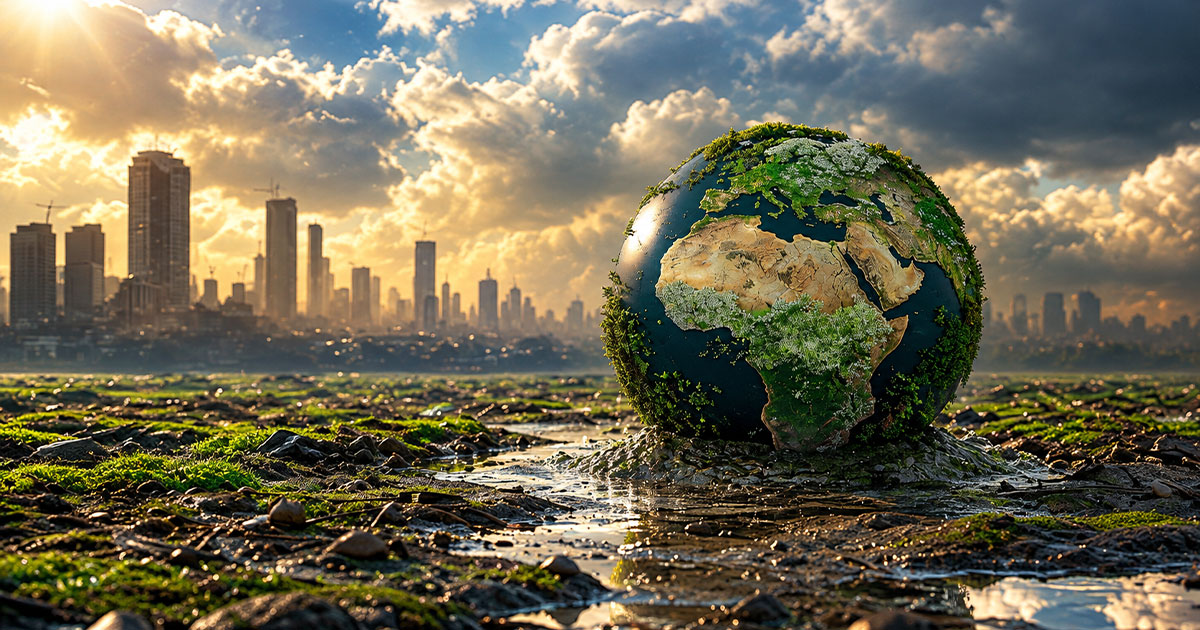

8 practical and simple ways to help you combat the effects of climate change
The Earth’s temperature has risen by 1.2 degrees Celsius above the pre-industrial revolution, and science clearly says – according to United Nations data – that every additional 0.1 degrees Celsius of global warming will cause more heat waves, droughts, floods, and forest fires.
However, the good news is that the solution – solving the climate change crisis – is not limited to governments and major institutions; You can start on your own through simple, practical steps, from spreading awareness to investing smartly in your health and environment.
So I collected for you The Earth Guards Foundation in this guide8 simple ways to help you contribute to combating the effects of climate change, taking into account the 2030 Sustainable Development Goals (SDGs) plan; To be a positive member of your community…so read on.
What is the definition of climate change?
Before we tell you about the eight simple ways that can help you combat the effects of climate change, we have to understand the term “climate change.” It is a long-term shift in temperatures and weather patterns on Earth.
It is true that these transformations may be natural, but human activity – specifically the burning of fossil fuels – has been the main driver of them since the nineteenth century, which has caused very serious environmental crises. This burning produces Greenhouse Gases (GHGs), which trap the sun’s heat within the atmosphere, as is known scientificallyWith “global warming”.
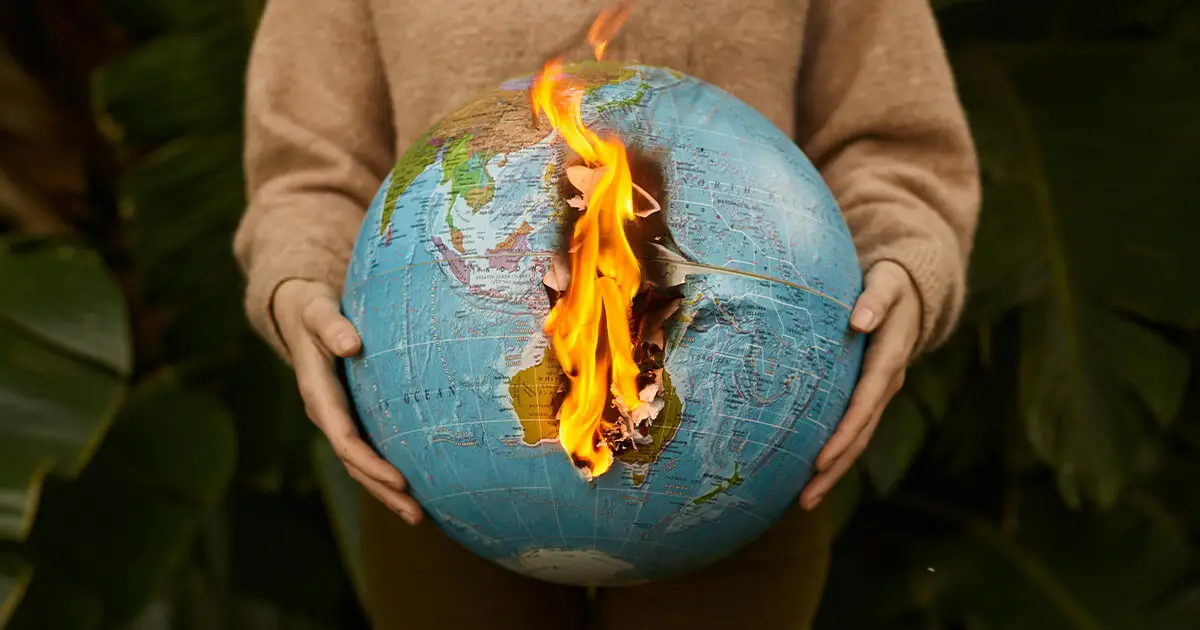
“Climate change” is the most comprehensive term that covers all the transformations resulting from this warming, not just temperature rise, and its effects include:
- Melting polar ice and rising sea levels.
- Disturbances of rainy seasons and increased drought waves.
- Air pollution worsens in major cities.
- Recurrence of extreme weather phenomena such as hurricanes and heat waves.
What factors affect climate?
The climate is affected by natural and human factors, which we detail for you in the following table:
| Worker | Influent | Effect |
| Burning fossil fuels | Human | The primary source of Greenhouse Gases (GHGs) |
| Deforestation | Human | Reducing the Earth’s ability to absorb carbon |
| Intensive industrial and agricultural activity | Human | Methane and nitrous oxide emissions |
| ExplosionsVolcanic | Natural | Volcanic ash release |
| Changes in Earth’s orbit and solar radiation | Natural | A slow effect extending over thousands of years |
The question now is: Is climate change a completely natural or human phenomenon? The answer is that both types of factors do exist, but the scientific consensus holds that the current and unprecedented acceleration in global warming is directly linked to human activity, specifically the burning of fossil fuels since the revolution.

Since we previously explained that the greatest responsibility lies with human activity, thisIt means something reassuring at the same time; As long as man is the cause of the problem, he is able to be an essential part of the solution. So here are the eight most impactful individual steps in combating the effects of climate change.
1. Spread awareness and start with your close circle
Why did spreading awareness make a real difference? Can simple individual steps make a real difference in a crisis of climate magnitude? The answer is yes, especially when these steps accumulate on a large collective scale, as we find evident in global campaigns such as the “ Act Now” campaign, which inspires individuals everywhere to work towards achieving Sustainable Development Goals (SDGs) socially, economically and environmentally.

And here are the linesThe following are the most important practical steps through which you can enhance awareness among members of your community.
Process steps
- Share one documented piece of information per week with your family or colleagues.
- Organize a short discussion session in a suitable place such as your university on the impact of daily lifestyle on the climate.
- Participate or volunteer in initiatives related to sustainability, such as awareness campaigns and environmental initiatives.
2. About your daily transportation
The choices you make or your mode of transportation – such as planes, ferries, trains, public transportation – can have an impact on emissionscarbon; Because the transportation sector, which relies on burning fossil fuels, alone produces the largest percentage of global carbon emissions.
Therefore, any reduction in the use of traditional cars or even public transportation in all its forms achieves two interconnected benefits at the same time, which are:
The first – Cleaner air to breathe.
Other – Lower greenhouse emissions.
Practical alternatives depending on distance
- Short distances: walking or riding a bicycle.
- Medium distances: Electric public transportation.
- The absolute necessity of a car : Share rides, reduce the number of unnecessary long trips, and also consider using electric cars.


3. Energy consumption control
You will also find that the issue of energy in homes and buildings is one of the largest sources of greenhouse gas emissions in the world. A large portion of your daily electricity consumption is related to fossil fuel-based sources.
It only requires some simple habits, along with some long-term investment decisions, and this will have a positive impact that appears in your bill and in your carbon footprint together, butWhere do you start inside your home?
At the source level
- Verify the possibility of switching to an electricity provider based on renewable energy.
- Study the feasibility of installing solar panels on the roof of the house.
At the consumption level
- Reduce the heating temperature by one or two degrees if possible.
- Turn off unused appliances and lighting completely instead of leaving them on standby.
- Use thermal insulation for the ceiling and walls; It reduces your bill and improves energy efficiency at the same time.


4. Adjust your diet gradually
The relationship between your plate and planet Earth may seem unclear at first glance, but what we put on our plates every day has a much greater environmental impact than we imagine. Because the meat and dairy production chain, for example, consumes huge amounts of water and land, and releases large amounts of methane, which is one of the most powerful Greenhouse Gases (GHGs) affecting the climate.
If you know that about 60% of agricultural land is used globally for grazing livestock, while many people consume quantities of animal protein that exceed their actual health needs; You will discover how much such products cause damage when produced irresponsibly.
This does not mean complete abandonment of meat and dependenceOn plant foods overnight, you must adopt a gradual and balanced approach that takes your health first, and reflects positively on the planet at the same time. Increased reliance on plant foods is practically linked – in addition to reducing harmful emissions – to lower rates of some chronic diseases.
5. Shop local and support sustainability
Buying local and seasonal produce also reduces transportation and refrigeration emissions associated with long supply chains, and directly supports the local economy. The positive impact is even greater when the local source itself is based on sustainable farming practices rather than traditional agriculture; Comparisons indicate that sustainable agriculture achieves:
- Less energy consumption by up to56%
- Up to 64% lower emissions
In other words: purchasing local reduces transportation emissions, while the farmer’s choice of sustainable farming methods is a factor in reducing emissions from the production itself, as well as preserving soil fertility. When the two advantages come together – local and sustainable product – the environmental impact is minimal.
6. Don’t waste food
Food is wasted all over the world. Every year, about one billion tons of consumable food are thrown away, which is approximately one-fifth of the total food available to consumers. This waste has negative effects on humans and the environment alike.

So follow these steps to reduce waste in your kitchen:
- Buy what you actually need, and plan your meals in advance.
- Measure rice and grains before cooking; To avoid excess.
- Store food in the correct way (refrigeration or freezing).
- Be creative in reusing leftover food, and share the surplus with neighbors or those in need.
- Turn inedible organic waste into natural fertilizer for your garden.
7. Choose environmentally smart clothing
What may shock you is that the fashion industry or fast fashion An environmental impact estimated at between 8 and 10% of global carbon emissions, a number greater than the emissions of international aviation and maritime shipping combined! But how do we confront the problems of fast fashion and its impact on the environment?
- Buy smaller quantities, choose higher quality that lasts longer.
- Research sustainable brands before purchasing.
- Rent special occasion clothing instead of buying it all at once.
- Repair your favorite clothes instead of throwing them away.
8. Plant trees and participate in forest restoration
Why are trees an effective climate weapon? The answer is that more than 12 square kilometers of…Forests are destroyed every hour! Undoubtedly, this accelerating degradation of forests and shrublands is responsible for a large proportion of global greenhouse gas emissions.

At the local level, Egypt began a practical step in this direction with the launch of the Cairo Greening Project, which aims to plant trees on the ring road and main axes, and transform unused government lands into gardens and green spaces.
Here comes your role as a member of society. Because major government afforestation projects require parallel community participation in order to succeed and continue, and you can contribute practically through:
- Volunteering in trees planting campaigns and public parks organized by governorates or civil society institutions.
- Taking care of trees near your house or street (watering, removing waste from them).
- Plant one or more trees in your home garden or on your balcony if no floor space is available.
In the end, when we review the previous eight steps together, one pattern that is constantly repeated becomes clear: no small environmental action exists in isolation from its societal context; A simple individual decision – such as modifying your diet or rationalizing your energy consumption – appears to have limited impact when measured alone, but it turns into real power when it accumulates with millions of similar decisions and intersects with serious government policies.
From this standpoint, The Earth Guards Foundation presents this practical guide as a realistic and sustainable starting point; Because the climate future of Egypt and the whole world will be made by the accumulation of thousandsThe small, conscious decisions made by every individual reading these lines starting today.


