

Solar energy reduces the electricity bill for Arab families and supports sustainable development goals

Solar energy reduces the electricity bill for Arab families and supports sustainable development goals
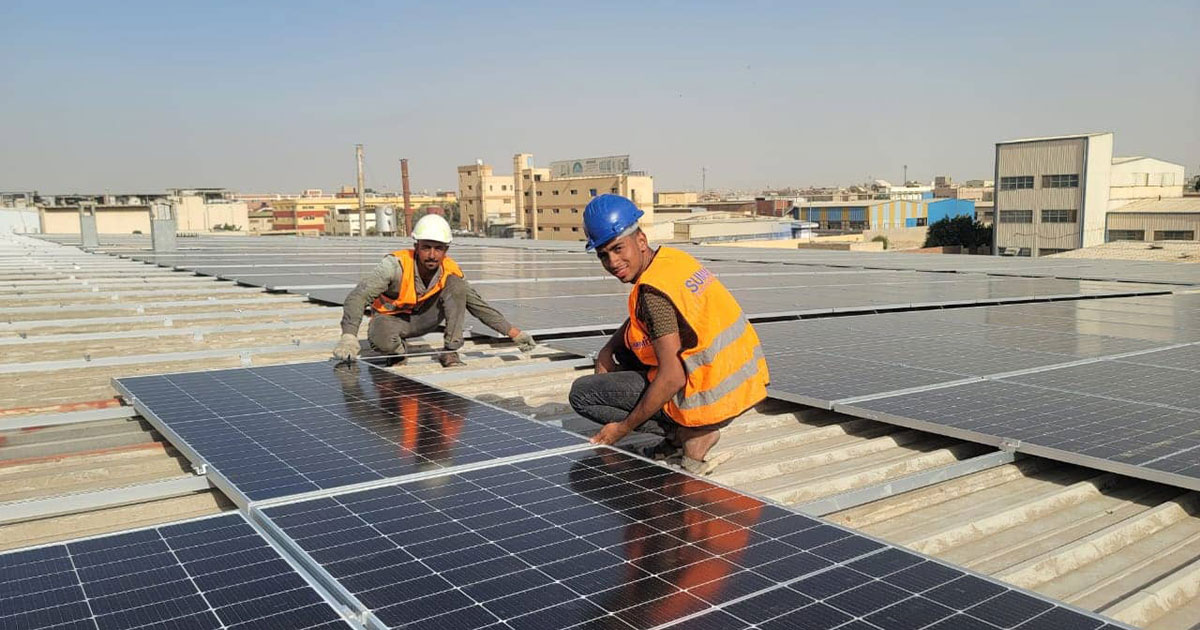
On rooftops Solar energy helps Arab families to save more on their electricity bill, and also helps them – at the same time – to pump surplus electrical energy into the electricity networks. Thus achieving the twelfth goal of the sustainable development goals: responsible consumption and production.
From this standpoint, The Earth Guards Foundation reviews how roofs turn into a tool for generating electricity, how much a home solar system costs, how many panels a house needs, what are the advantages and disadvantages of solar energy, and how all of this relates to development goals; So they continued Reading.
What has changed in electricity consumption?
Solar panels have become a wide gateway to a model in which the family becomes part of the energy production system, instead of remaining at the end of the consumption chain. Experts call this model “distributed energy.” That is, generating electricity near where it is consumed.
Such a sustainable approach changes the function of the home. It becomes able to produce electricity during the day, then pump the surplus into the electricity network, and benefit from its value when needed. Which achieves the seventh goal of the Sustainable Development Goals: clean and affordable energy.

What do the experiences of Arab countries teach us?
The goal of solar energy systems and panels is very similar – in one way or another – in more than one country, which is to bring the consumer into the path of the electricity production process, but the incentives and pricing mechanisms differ, which we will explain to you in the following lines.
Qatari Solar Energy Systems
In Qatar, Kahramaa allows the installation of photovoltaic solar energy systems in homes and facilities via the “B Solar” service, within a mechanism called “net billing,” and Qatar thus aims to raise the share of renewable energy from 5% to 18% by 2030.
Contribute Program in Oman
In the Sultanate of Oman, the “Sahem Program” has been working since 2017 to encourage families, individuals, and institutions to produce electricity from the sun, and the Sultanate targets about 20% of its electrical mix. of renewable energy by 2030.
Emirates Electricity Authority
In the Emirates, the Dubai Electricity and Water Authority launched the “Shams Dubai Initiative,” which allows home and building owners to connect their panels to the authority’s network, so the building consumes what it needs and exports the surplus electricity.
Net metering in Bahrain
Bahrain applies what it calls the “net metering and billing mechanism” in the residential, commercial and industrial sectors, with the value of the surplus electricity carried over to subsequent months.
Moroccan law
In Morocco, Law No. (82.21) issued in February 2023 established a legal framework for self-production of electricity.
What are the advantages and disadvantages of solar energy?
The advantages are clear: a lower bill, a longer operating life, and a clean source that does not produce harmful emissions when operating. There is a lesser-known advantage, which is that the proximity of production to consumption sites reduces the waste of electricity and reduces the consumption of fuel used in its generation.
As for the disadvantages, we mention them with the same frankness, including the relatively high initial cost. Likewise, the expansion of home production requires a network capable of receiving distributed production, smart meters, clear rules for calculating the surplus, and any change in policies that may affect the return.

How much does it cost to make solar panels for homes?
Regarding the cost of solar panels, it is It depends on the size of the system, the type of panels and inverter, and whether you add battery storage; Therefore, there is no single price that is suitable for every country and every home. It is more accurate to calculate the cost per kilowatt, then multiply it by the size of the system you need.
How to bypass the initial cost node?
There are several suggestions regarding the high cost of such technologies, including:
- Leasing: A specialized company installs the system and finances it in exchange for a portion of the value of reducing the bill for a few years, then ownership is transferred to the consumer.
- Green microfinance: through banks and development institutions.
- Installments via the electricity bill: The consumer pays the cost little by little, and then owns the station after the financing period expires.

Finally, home solar energy becomes more relevant to the Sustainable Development Goals when it combines affordability, equitable access, grid efficiency, and climate protection. Here lies an issue that The Earth Guards Foundation considers to be of great importance: The success of home solar energy will be determined by the extent of countries’ ability to transform this natural resource into an available, reliable, and fair economic opportunity.


