

Cooperation between Egypt and Norway to promote clean energy in light of the sustainable development goals

Cooperation between Egypt and Norway to promote clean energy in light of the sustainable development goals
Clean energy is energy generated from sources that produce negligible polluting emissions, and is the main driver of Sustainable Development Goal 7: clean and affordable energy. In this context, Dr. Badr Abdel Aty, “Minister of Foreign Affairs, International Cooperation, and Egyptians Abroad,” met with Mr. Osmund Grover Okrost, “Norwegian Minister of International Development,” in the presence of Dr. Ahmed Rostom, “Minister of Planning and Economic Development.”
From here you read The Earth Guards Foundation In this article, the meeting as a practical step linking investment, climate and development, exploring the social and economic dimensions of this international meeting. So keep reading.
What is clean energy?
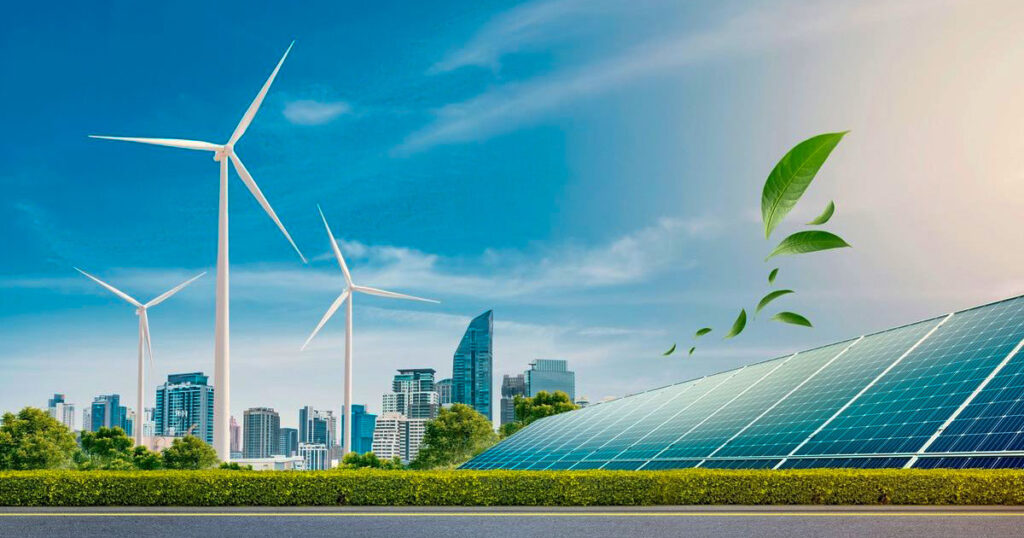
Clean energy is energy generated from sources that emit negligible pollutant emissions during production, such as sun, wind, water, and geothermal heat. It is closely related to renewable energy, which is naturally renewed and inexhaustible.
The importance of clean energy lies in the fact that it reduces emissions that cause climate change, and supports the seventh goal of the Sustainable Development Goals related to making Clean energy at affordable pricesWhich makes it a major axis in the partnership between Egypt and Norway.

The difference between clean and renewable energy
Clean energy is a term that focuses on the absence of pollution during generation. As for renewable energy, it focuses on the fact that the source is naturally renewed and does not run out. That is, the two ideas are intertwined, which is why many people use them interchangeably. The fundamental difference between renewable and non-renewable energy sources is that the latter – such as oil and coal – deplete and release higher emissions.
Types of clean energy and their applications
Clean energy sources are diverse, and each of them has clear uses, which we show you in the following table.
| Type | Most prominent applications |
| Solar | Domestic and industrial electricity, water heating |
| Wind | Power plants on land and at sea |
| Hydroelectric | Dams and power stations |
| Green hydrogen | Heavy industries and transportation fuels |
| Geothermal energy | Heating |
Egyptian-Norwegian Partnership
In this meeting, Minister Dr. Badr Abdel Aty stressed Egypt’s keenness to strengthen the partnership with Norway and expand development cooperation in development, investment and climate action. He stressed the importance of working with the Norwegian Agency for Development Cooperation (NORAD) and the Norwegian Fund for Investment in Developing Countries (Norfund).

He also called for increasing Norwegian investments in Egypt, especially in the areas of:
- Clean and renewable energy
- Green hydrogen
- Energy storage
- Green infrastructure
These sectors correspond to the types of clean energy mentioned above. Which means that we are talking about implementing actual applications in a sustainable manner.
How does clean energy achieve sustainability goals?
Clean energy achieves sustainability goals by reducing emissions, combating climate change, providing affordable electricity, supporting green industry and infrastructure, and creating jobs and economic growth.
The areas of clean energy are also working – through international partnerships – to open the door to the financing and technical expertise necessary to transform these goals into existing projects. This is what is actually happening through Egyptian-Norwegian cooperation.
Goal 7: Clean, affordable energy
The clearest link in this type of international partnership is the expansion of investment in the field of renewable energy, which increases the share of clean sources in the electrical mix and supports the equitable availability of energy for all.
Goals 8 and 9: Infrastructure and economic growth
The Minister – Dr. Badr Abdel Aty – also referred to green infrastructure and its importance. This is what prompted Dr. Ahmed Rustom, Minister of Planning and Economic Development, to stress the importance of attracting quality investments and enhancing private sector participation. These are the two paths that support industrial innovation and economic growth together.
Goal 13: Climate action
The Minister spoke explicitly about climate action, stressing that reducing dependence on fossil fuels is the direct path to reducing emissions, and here clean energy and its expected positive impact on humans, their environment, and all their natural resources appear.
Goal 17: Partnerships
Then the Egyptian-Norwegian meeting discussed cooperation with Norwegian financial and investment institutions, based on the fact that financing and technical expertise are indispensable conditions for achieving the rest of the 17 sustainable development goals.
Pros and cons of renewable energy
The most prominent advantages of clean energy or renewable energy are reducing emissions, diversifying electricity sources, and reducing dependence on imports. However, it has several challenges, including the fluctuation of production depending on the brightness of the sun and the presence of wind, and the high initial construction cost. This is why the Egyptian-Norwegian meeting is interested in energy storage, as it addresses one of the most important defects of renewable sources, as the challenge here can be solved with planning and financing.
In conclusion, we find from the above that the Egyptian-Norwegian meeting is an example of turning clean energy into a development tool that intersects with Goals 7, 8, 9, 13 and 17, and its success remains dependent on transforming all of this into concrete financing projects. So you continue The Earth Guards Foundation These developments, and invites its readers to follow developments in renewable energy; A desire to build a bright present and a prosperous future.


