

Unknown slimming products…fast promises and health risks that regulatory authorities warn about
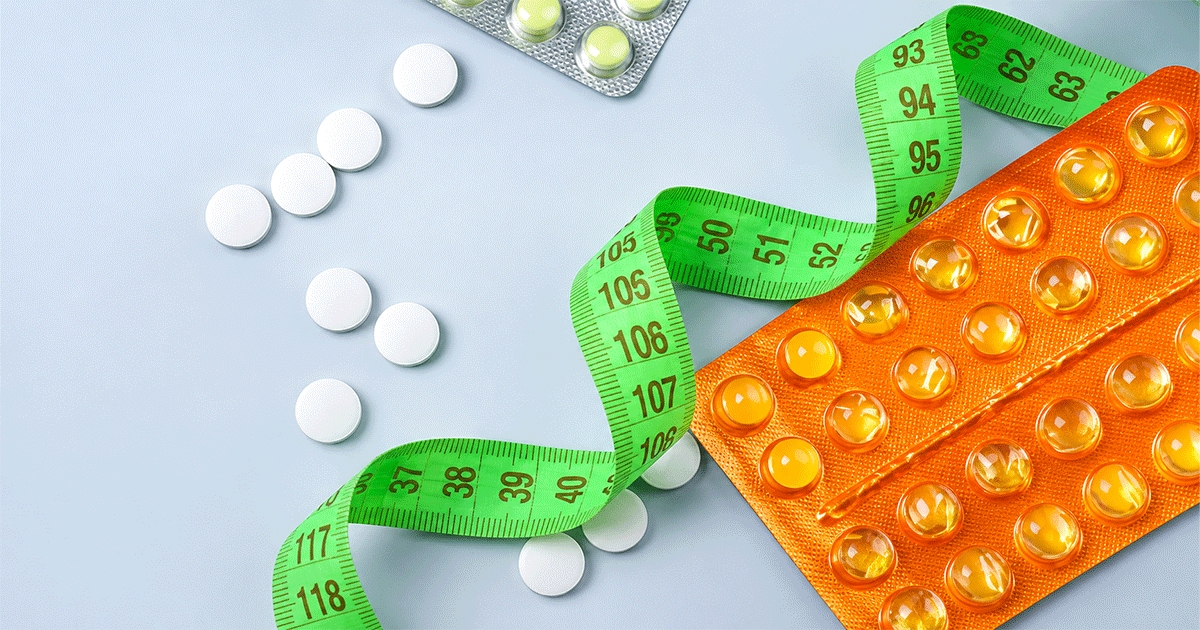

Unknown slimming products…fast promises and health risks that regulatory authorities warn about
Food consumption patterns are increasing, leading many individuals to spend large sums of money on foods and food products of varying quality and source, with insufficient attention to their composition, nutritional value, and safety. With the accumulation of unhealthy eating habits, a segment of consumers tends to search for quick solutions to get rid of excess weight, allocating more money to purchase slimming products promoted by commercial advertisements and tempting claims, despite the ambiguity of some of their sources, ingredients, and extent of safety.
This creates a cycle of unconscious consumption. The individual first spends his money on food choices that may harm his health, and then spends more trying to treat their effects using unknown slimming products that may carry additional health risks. The danger of these practices increases when the desire to lose weight turns into a motivation to try products of unknown origin, far from medical evaluation and quality control of the products in circulation.
Here the importance of establishing responsible consumption patterns is highlighted, which helps individuals evaluate food and health products before purchasing them, verify their quality and sources, and avoid decisions that may lead to health damage and additional financial burdens.
The spread of slimming products for quick results
With the increasing interest in weight loss, many types of slimming products have spread in the markets and on electronic sales platforms that offer promises of weight loss within short periods, which has made them an option that many people turn to in search of quick results with the least effort. These promises have contributed to attracting consumers who prefer to rely on these products rather than committing to a healthy lifestyle that combines regular physical activity and balanced eating habits, which are practices that require time and continuity to achieve health results.
The problem it poses increases The Earth Guards Foundation With the circulation of products whose sources or ingredients are not clear, with some consumers relying on advertisements and circulating experiments to determine their effectiveness and safety; This opens the door to the use of preparations that may contain undeclared substances or pharmaceutical compounds that require medical supervision.

These warnings fall within efforts to protect public health, which is one of the issues addressed in the third goal of the programme Sustainable development goalsGood health and well-being, by enhancing the safety of health products and reducing the risks that individuals may be exposed to as a result of using uncontrolled preparations.
The danger of unlicensed slimming products
In this context, I warned Egyptian Medicine Authority Of the danger of unlicensed and anonymous slimming preparations to the health of citizens, she explained that the circulating advertisements that promote some products and pharmaceutical preparations for weight loss and claim their effectiveness without obtaining the necessary licenses are misleading advertisements, and that the preparations contained in them are of unknown origin and are not included in the database of preparations registered with the Authority.
The Authority stressed that taking these preparations may expose citizens to serious harm and health risks, calling on them not to be led by misleading advertisements or taking pharmaceutical preparations of unknown origin, with the need to consult doctors and pharmacists before taking any pharmaceutical preparation, and to ensure that it obtains the necessary licenses.

The importance of the supervisory role played by the Egyptian Medicines Authority in protecting public health is highlighted, by following up on pharmaceutical preparations in circulation and verifying their safety, in a way that supports efforts to achieve the third goal of the Sustainable Development Goals, good health and well-being, and reducing health risks associated with the use of unlicensed products.
International warnings against unknown slimming products
The warnings of the Egyptian Medicines Authority are consistent with what it reported US Food and Drug Administration (FDA) Concerning the dangers of slimming products with unknown ingredients; The administration indicated that many products marketed for weight loss, such as fat-burning pills, slimming supplements, and teas intended for this purpose, may contain undeclared dangerous ingredients, which raises concerns about the safety and security of the products in circulation.
In a related context, the administration explained that some of these products are promoted as nutritional supplements, foods, or completely natural treatments, taking advantage of positive reviews and circulation through social media platforms. It warned that their use could lead to serious health problems requiring hospitalization, noting that the products included in its warning database represent only a small portion of the contaminated products circulating in the market.
Wasting financial resources and weakening individuals’ confidence in medicines
The concern over slimming products of unknown origin extends to a broader problem related to the circulation of counterfeit and substandard medical products worldwide. As you point out World Health Organization (WHO) In turn, more than one out of every ten medicines in low- and middle-income countries does not conform to specifications or is adulterated, warning that this problem represents one of the urgent health challenges, in light of the complexity of global supply chains and the increasing reliance on e-commerce to purchase medical products, which may facilitate consumers’ access to products from unlicensed sources.
The organization explains that the use of counterfeit or substandard medical products may lead to failure in treatment or prevention of diseases, as well as wasting financial resources and weakening individuals’ confidence in medicines and health care providers, with the effects of the problem extending to health care systems and entire societies. These warnings are particularly important when dealing with slimming products of unknown origin, as they are part of the health products market that requires oversight to ensure the quality of the products and the safety of their circulation.

Confronting the spread of counterfeit and substandard medical products requires regulatory institutions capable of monitoring markets, enforcing the rules regulating the circulation of health products, and confronting fraud and deception practices. These are aspects related to Goal 16 of the Sustainable Development Goals, Peace, Justice and Strong Institutions, which supports the building of effective and accountable institutions.
The issue of slimming products of unknown origin raises a deeper question about the nature of consumer choices and the extent of their connection to health awareness. The desire to lose weight, under the influence of commercial promises and the search for quick results, may turn into a gateway to consuming products that lack quality and safety guarantees, thus doubling the health and financial burdens on individuals.
Hence, consumer protection becomes linked to his ability to distinguish between marketing claims and reliable medical information, and to the presence of effective regulatory institutions that guarantee the safety of products and hold violating parties accountable.
And you eat The Earth Guards Foundation This issue comes from the perspective of the interrelation between public health, responsible consumption patterns, and the efficiency of regulatory institutions, based on the importance of spreading awareness of the dangers of products of unknown origin and highlighting the role of the competent authorities in confronting fraud and deception. Protecting the health of individuals begins with providing reliable information, and extends to ensuring the quality of traded products and enhancing the ability of institutions to perform their responsibilities. These are aspects that are integrated in the process of achieving sustainable development goals and building a society that is more aware and capable of protecting its resources and health.


