

180 Seedlings Transform Farmers’ Lives and Protect Water Security for Millions in Kenya
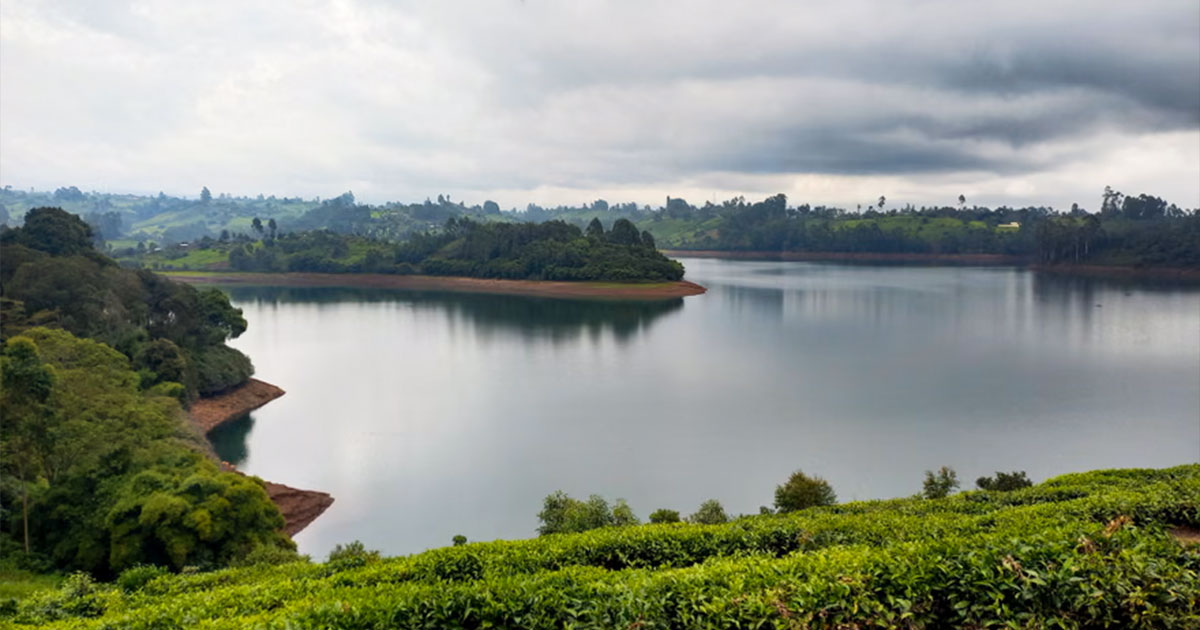

180 seedlings change the lives of farmers and protect the water security of millions of people in Kenya
When Kenyan farmer David Nyoro obtained 180 avocado seedlings in 2017, the expected impact was starting from his land of approximately five acres, and over the following years he found that what he planted in the upper Tana River basin could have an impact extending to… Water security And millions of Nairobi residents, with always available clean water.
Nyoro, 67, relied on seasonal crops that left large portions of his land exposed; This facilitated the erosion of the soil with rain and the transfer of sediments to the river, so the fertility of the land declined with each layer lost, until both production and income were affected.
To address what happened, he recently worked on planting avocado seedlings and cover crops (in English: Cover crop, which are plants grown to cover the soil, not for harvesting), and at that time the farm’s income approached two million Kenyan shillings (about 15 thousand dollars), using avocados to achieve this, of which one tree produces about 70 kilograms every year, while the land retained its nutrients.
For Nyoro, this transformation had immediate meaning: income that would help him feed and educate his six children, as well as agricultural practices that would simultaneously reduce sediment reaching the river.
Kenya Water Security Resources
The Tana River is a major resource for Kenya's water security. It provides about 95% of the water of the capital, Nairobi, which is inhabited by approximately 4.8 million people, and also serves about 5 million others living within the river basin. Its importance also extends to the energy sector. A group of dams built along its course contribute more than half of the country's hydroelectric capacity.
At this scale, the soil washed away from a small farm upstream becomes part of a larger story; All the sediment that may reach the river increases the turbidity of the water and adds burdens to downstream treatment operations.
It was from this idea that it was founded Upper Tana Water Fund–Nairobi 2015, led by The Nature Conservancy; With the aim of supporting farmers in improving land management, restoring degraded areas, and reducing sediments reaching river tributaries.
To understand the broader picture of the pressures facing water security in different regions of the world, read: Water security faces increasing challenges.
27 million liters every day
After a decade of work, those in charge of the fund say that the implemented projects have contributed to saving more than 27 million additional liters of water every day of the dry season. Which is supported Water security In areas that rely on the Tana River, water turbidity decreased by 41%, saving urban agencies about 900 thousand pounds in treatment costs.
Here is a question: Can it start? Sustainable Development Goal 6 on clean water and sanitationFrom agricultural land far from the city? Tana's experience answers this question practically. Maintaining the soil within the field reduces sediment in the river; This reduces the rate of turbidity, and thus reduces the rate of treatment before it reaches the population.
All this at a time when the scope of sustainable management extends to more than 470,000 acres of small farms and forests, along with about 620 miles of rivers.

Farmers harvest rain
On the other side – in the house of farmer Francis Mburu – another story began with water from the roof of the house. The seventy-five-year-old lived with his wife near the Aberdare Mountains, one of the most important feeding areas of the Tana River. However, their proximity to a major water source in the country did not prevent rainfall fluctuations from putting pressure on the farm and family income.
In 2020, Mboro created a small water collection system, then added a basin with a capacity of about 100,000 liters that receives rainwater from the roof of the house. He then built agricultural terraces that help the land retain water and limit soil erosion. Today, his farm includes avocados, bananas, and other highly productive crops, while his dependence on the nearby water stream has decreased.
Trees are a sustainable investment
During ten years, the Fund supported the planting of about 5.9 million trees, and contributed to the creation of more than 22,000 green jobs, while farmers achieved about $118 million in additional income through value chains that include:
- Fruit
- Nuts
- Livestock feed
It is close to this result Sustainable Development Goal 8, on decent work and economic growth, from directly protecting ecosystems; Because the farmer who receives a stable income from practices that conserve soil and water – for example – finds an economic interest in their continuation, so that his livelihood combines with the protection of Water security In the sink.
This also appears in the experience of John Maina, 31 years old, who chose agriculture 15 years ago and built his livelihood on fast-growing crops, such as cabbage and broccoli, using techniques to collect runoff water, which reduced his need to pump water from the river. He then transferred his experience to more than 50 young people whom he personally trained in modern agricultural methods.
Nature needs a local benefit
There is also the story of Stephen Mattoo, which adds another dimension to this sustainable model. Matu was born in the forests of Mount Kenya, then moved with his family after thousands were resettled outside government forest areas, where in his view the new land was poor production and the well water suffered from salinity.
So the Fund later helped him create two water basins, and his small farm was turned into a space for producing fruit and vegetable seedlings. This experience thus reveals a fundamental idea in the field of nature conservation, which is that the sustainability of forests and riverbanks is linked to the economic and social benefits perceived by local people.
Here he finds Sustainable Development Goal 15, on life on landHis way to the river basins is through the farmer himself; Protecting soil, forests and biodiversity becomes more sustainable when it contributes to improving the income of the community living nearby.
Why do companies pay?
The Tana Fund is based on a partnership that brings together public bodies and private companies. It began with funding amounting to 25 million Kenyan shillings, then the accumulated funding increased to about 500 million shillings, parts of which are managed within a broader investment fund, and aims to ensure the continuation of interventions in the long term.
And it is granted Water security Companies that contribute financing have an economic reason for participating; Activities that depend on water in Nairobi are affected by the decline in the quality of the resource or repeated periods of rationing, while investment in protecting the “Tana Basin” from the source brings benefits that reach downstream businesses, and in terms of numbers, every dollar invested in the source can generate – according to fund officials – about two dollars.
In the spirit of the seventeenth goal of sustainable development, which is about establishing partnerships to achieve the goals, the model is based on distributing responsibility between farmers, companies, governments, and local authorities, so that protecting the common resource becomes an interest that brings together parties whose roles differ and whose needs meet when it comes to water.
To learn how partnerships and governance can support sustainable resource management, read: Water governance is key to sustainable management of water resources.
Protecting water from the source
The water boxes model began outside Africa, in Quito, Ecuador, and then spread to more than 30 cities around the world, including 16 African cities. The idea is based on a simple principle: Treating the causes of water deterioration at the source may be less expensive than dealing with the results after they reach the cities and purification stations, which achieves responsible management of resources, and preserves the health of nature and the population their economy.
The above shows us how the Tana Basin experience provides a lesson that goes beyond the borders of Kenya, a lesson that confirms that water security begins with the way the land is managed at the top of the basin. Because the tree that a farmer planted, the water basin that he created on his land, and the terrace that slowed the flow of rain; All of these are necessary interventions to protect nature.
And so you confirm The Earth Guards Foundation The importance of this experience lies in its ability to break the traditional separation between sustainable development goals. Water, labour, climate, agriculture, wildlife and partnerships are all links in one system.


