
Ebola virus challenges control efforts in Congo… 11 thousand infections in 6 months

Ebola virus challenges control efforts in Congo… 11 thousand infections in 6 months
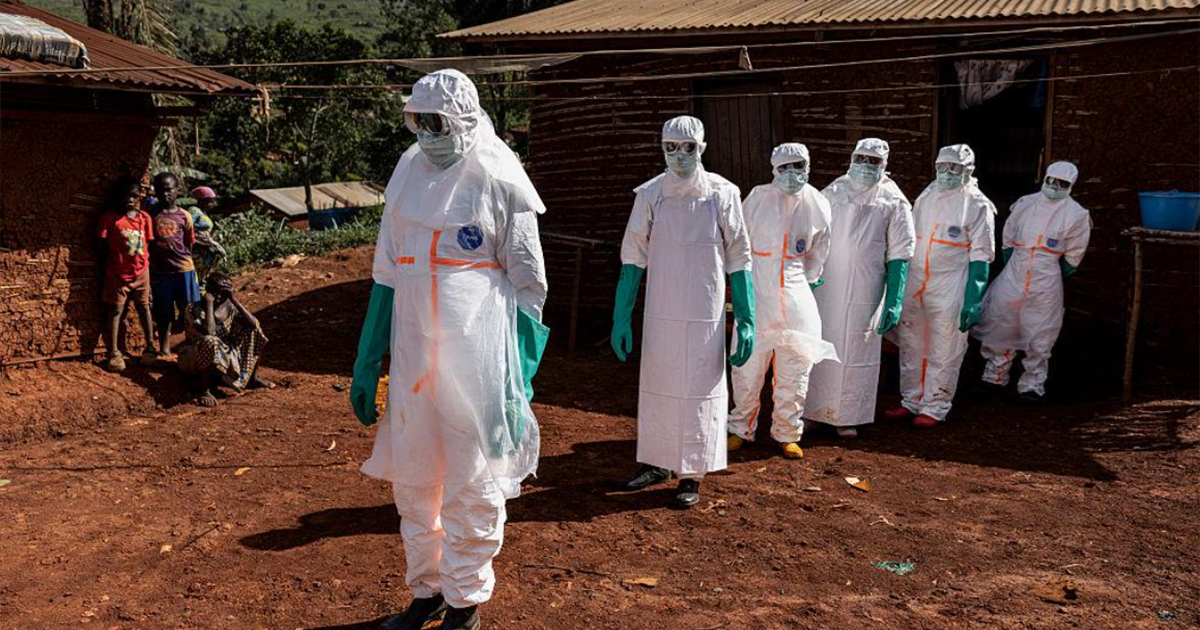
Six months after the outbreak was declared Ebola virus In the Democratic Republic of the Congo, efforts to contain the disease are still facing increasing health and field challenges, amid warnings of continued transmission of infection and the difficulty of detecting large numbers of infected people, at a time when confirmed infections have exceeded the barrier of 11,000 cases.
And I was warned Doctors Without Borders From the continued spread of the virus, noting that the lack of supplies and training and the delay in health worker salaries are hampering the ability of response teams to reach the areas most in need.
These warnings are particularly important as the outbreak caused by the… Bundibugyo Of the Ebola virus, for which there are no approved vaccines or treatments, which increases the importance of early detection of cases and preventing transmission of infection within health facilities and local communities.
Half of Ebola cases are undetected
Although confirmed infections have exceeded 11,000 cases since the outbreak was declared in mid-May, experts believe that the actual number of infected people is greater than the recorded toll, as a result of the difficulties facing health surveillance and contact tracing systems.
British epidemiologist Neil Ferguson, director of public health at Imperial College London, said that research teams following developments in the epidemic estimate that only about half of the infections are being discovered.
He pointed out that the epidemiological models that his team is working on suggest that there is something in between 2000 There are currently 3,000 Ebola patients In Congo, it is a research estimate that differs from the cumulative number of confirmed infections.

Ferguson warned that transmission could continue for another year, with the possibility that the current outbreak would exceed the size of the West African epidemic between 2014 and 2016, which recorded more than 28,600 infections and killed more than 11,000 people.
These scenarios remain estimates related to the course of the epidemic and the ability of health authorities to improve the response, and are not confirmed results.
And it was The Earth Guards Foundation have been addressed in Previous coverage of the Ebola outbreak in Congo Infections exceeded five thousand cases in August 2026. Current developments reveal the continuation of the crisis after the confirmed toll rose to more than 11 thousand infections, and the expansion of the challenges facing containment efforts.
Hospitals face the risk of infection transmission
Health facilities represent one of the main fronts in the confrontation Ebola virusHowever, it in turn faces risks associated with the lack of supplies and preventive measures necessary to protect patients and workers.
In the Beni health zone in North Kivu province, estimates from MSF suggest that nearly three-quarters of Ebola patients are believed to have been infected in healthcare facilities.
The organization indicated that there is a shortage in some health facilities, including water, chlorine, and the necessary supplies to safely deal with suspected cases.

In Ituri Province, it was 9% Only the Ebola patients treated by the organization were previously known as contacts of registered casesThis reflects the difficulty of identifying and following chains of transmission.
She also explained that nearly two-thirds of the disease-related deaths reported during the previous month occurred within local communities, rather than treatment centres, highlighting the importance of facilitating early access to health services.
Resource crisis hampers control efforts
Médecins Sans Frontières criticized the gap between the resources allocated to the epidemic response and the capabilities available to workers on the ground, noting the presence of teams that lack sufficient training, workers who have not received their wages, and ambulances that do not have enough fuel.
Dr. Javid Abdel Moneim, the organization's international president, said that field response teams are facing great difficulties despite the funds that have been provided to confront the outbreak.

The organization called on the Congolese government and United Nations agencies to ensure that the resources mobilized to combat the disease reach the workers and facilities most in need, which is reflected in the speed of detecting infections and the quality of health care.
In return, it was referred Global Health Organization To the statements of its Director-General, Tedros Adhanom Ghebreyesus, who acknowledged the existence of problems, including delayed payments to health workers.
He explained that the organization is working in cooperation with the Congolese authorities, the African Centers for Disease Control and Prevention, and other partners to enhance the response, while emphasizing that security challenges represent a major obstacle to containing the outbreak.
Armed conflict complicates the fight against Ebola
The difficulties of combating the disease vary between regions of the Congo, especially in regions experiencing security unrest that affects the movement of medical teams and the arrival of supplies.
In the town of Kantin Aloya, North Kivu Province, an attack during the previous week resulted in one death 66 Civilians, including three health workersAccording to statements by the Director-General of the World Health Organization.
The repercussions of the attack extended to efforts to combat the epidemic. Health teams lost the ability to follow up on more than a thousand people who had contact with infected cases, while it was not possible to locate three patients confirmed to be infected with the Ebola virus.
These developments demonstrate how security conditions can directly affect the medical procedures necessary to control infection, from isolating cases and following up on contacts to continuing the operation of health facilities and protecting their workers.
How to build a more prepared health system?
The medical expertise necessary to identify a dangerous virus may be available, but how can its spread be stopped if infected people cannot be reached, or hospitals lack the necessary tools to prevent transmission?
This question opens a space for understanding The purpose d.3 From the third goal of the Sustainable Development Goals, on good health and well-being, which calls for strengthening the capacities of countries, especially developing countries, for early warning and reducing and managing health risks.

The Congo crisis reveals that preparing for epidemics requires an interconnected system that includes monitoring cases, tracing contacts, providing supplies, and training health workers, in addition to ensuring the continuity of services in conflict-affected areas.
Access to funding to medical institutions and field teams is an essential element for transforming response plans into actions that help detect infections early and protect communities.
From financing to actual protection
Recent developments confirm that the outbreak has been contained Ebola virus In Congo, it depends on improving the health system's ability to reach patients, ensuring the safety of workers, and restoring the effectiveness of tracking and monitoring in areas suffering from security challenges.

From this standpoint, put… The Earth Guards Foundation Human health and the ability of societies to confront risks are among the priorities in addressing sustainable development issues, with attention paid to enhancing access to health care, especially for groups facing difficult economic and security conditions.
Six months after the outbreak of the disease, the most important criterion for the success of the response becomes its ability to transform available resources into care that reaches the infected, protection for health workers, and effective measures that break chains of transmission and save lives..


