

Hanta virus raises health concerns after infections among passengers of the MV Hondius cruise ship
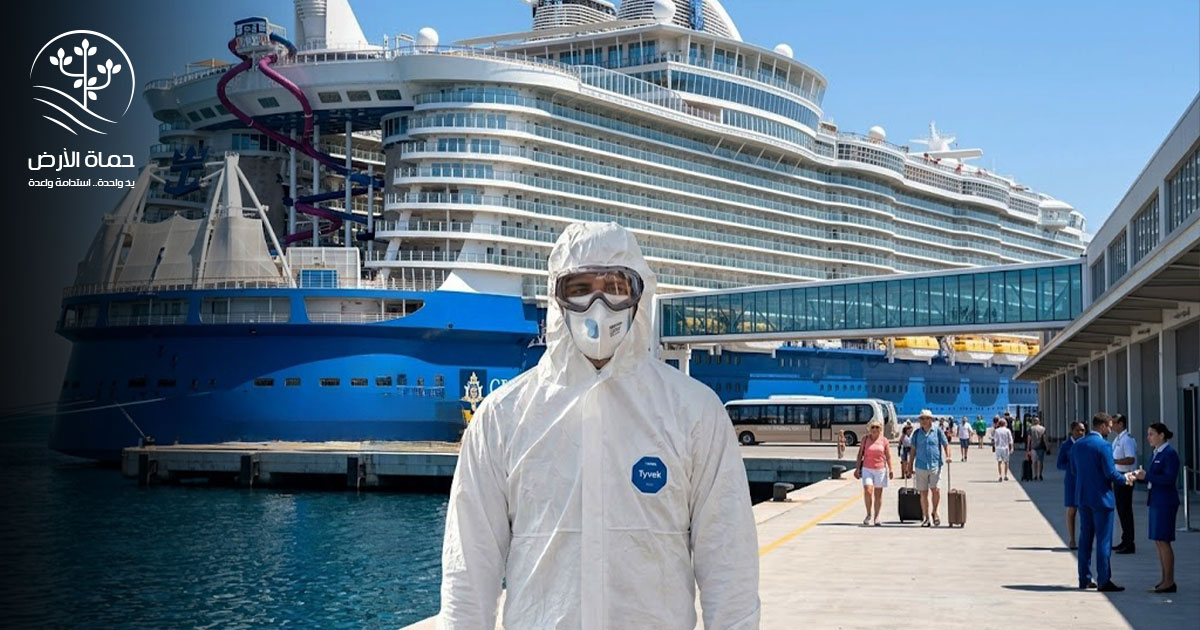

Hanta virus raises health concerns after infections among passengers of the MV Hondius cruise ship
The outbreak ofHantavirus among the passengers of the MV Hondius cruise ship raised international health concerns, after infections and deaths were recorded among a number of passengers who were evacuated from the ship, in a process that was described as complex and unprecedented. These developments have prompted health authorities in several countries to intensify follow-up, isolation, and contact tracing procedures, in an attempt to limit any possibilities of the spread of infection.
This file intersects withSustainable Development Goals (SDGs), especially Goal 3 related to good health and well-being, in addition to Goal 15 on protecting ecosystems and wildlife, as animal-related diseases emerge as one of the growing challenges facing public health systems globally. From this standpoint, this article addresses the dimensions of the Hanta virus outbreak on board the ship, the nature of the virus, in addition to the importance of the international health response in dealing with such cases.
Hantavirus infections among cruise ship passengers
The cruise ship MV Hondius witnessed a number of infections and deaths recorded as a result of the Hanta virus, which prompted the Spanish authorities and the concerned countries to carry out evacuation operations and health follow-up for passengers of different nationalities.
The procedures included transferring a number of passengers to specialized hospitals, after some cases showed health symptoms, while others underwent medical examinations and preventive isolation. The health authorities also conducted contact tracing operations, especially passengers who used international flights during the recent period.
This reflects the magnitude of the challenges associated with dealing with infectious diseases in group travel environments, especially on trips that include multiple nationalities and frequent international movements. In light of these health concerns, questions arise about the nature of the Hanta virus and the mechanisms of its transmission between humans or through the surrounding environment.
What is the Hantavirus and how is it transmitted?
Hantavirusis a rare disease associated with rodents, as it is usually transmitted through contact with the droppings or secretions of infected animals, or inhaling particles contaminated with the virus.
The symptoms of the disease vary from one case to another, as it may begin with flu-like symptoms before developing in some cases into serious complications affecting the respiratory system or vital body functions.
One of the strains associated with the recent cases also aroused the interest of health authorities, due to its potential ability to transmit between humans, which prompted the concerned authorities to tighten follow-up and preventive isolation measures.

International Health Response and Quarantine Operations
Infections associated with the Hanta virus have prompted a number of countries to strengthen health response measures, by tracking passengers and contacts and imposing health monitoring periods based on recommendations of the World Health Organization.
These measures included daily medical examinations, monitoring possible symptoms, in addition to applying precautionary isolation periods to limit any possibilities of transmission of infection.
This also reflects the importance of international cooperation in confronting infectious diseases, especially in light of the increasing interconnectedness between countries and global travel, which makes the rapid exchange of information and preventive measures an essential element in containing health crises.
In this context, the Egyptian Ministry of Health confirmed that no infections with the Hanta virus have been recorded inside the country so far, while raising the levels of epidemiological surveillance at air, sea and land ports, and following up on health developments in coordination with the World Health Organization, as part of preventive measures aimed at early detection and rapid dealing with any suspected cases.
Global travel and challenges associated with infectious diseases
The Hantavirus crisis has highlighted the health challenges associated with global travel and tourism, especially those associated with ecological areas and wildlife.
With the increase in international travel, the possibility of disease transmission between countries has become more rapid, which places additional pressure on public health systems and rapid response capabilities.
This also reflects the importance of enhancing health safety standards on cruises and tourism, in addition to developing emergency plans and dealing with sudden health cases more efficiently.

The relationship between the environment, wildlife and the spread of viruses
Hantavirus is associated with wildlife, especially rodents, which are the main source of transmission, which highlights the growing relationship between the environment and public health.
Environmental and climate changes may also affect the spread patterns of some animals and diseases associated with them, which increases the importance of monitoring health risks associated with ecosystems.
This highlights the importance of adopting an integrated approach linking environmental protection and promoting public health, given that the stability of ecosystems represents an important element in reducing the risks of zoonotic diseases.
Strengthening sustainable health prevention and response systems
The Hanta virus crisis reflects the importance of developing health systems more capable of responding quickly to infectious diseases, especially in light of the continued expansion of global travel and movement between countries.
There is also a need to strengthen health surveillance systems and improve early detection mechanisms, in addition to supporting international cooperation and information exchange between different health authorities.
In this context, health sustainability has become increasingly linked to the ability to build flexible preventive systems, combining public health protection and enhancing preparedness for future crises, thus contributing to reducing health and economic risks associated with epidemics and infectious diseases.
In conclusion, developments associated with Hantavirus reflect the health challenges that may result from the increasing interconnection between global travel, the environment, and infectious diseases. As international mobility continues, the need for health systems that are more prepared and capable of dealing with emerging risks increases.
In this context,The Earth Guards Foundation believes that enhancing public health requires supporting prevention and rapid response systems, in addition to adopting policies that link environmental protection and health sustainability, which contributes to building societies more capable of facing future challenges.


