

Heathrow Expansion Clashes with Climate Goals as Calls to Cut Aviation Emissions Intensify
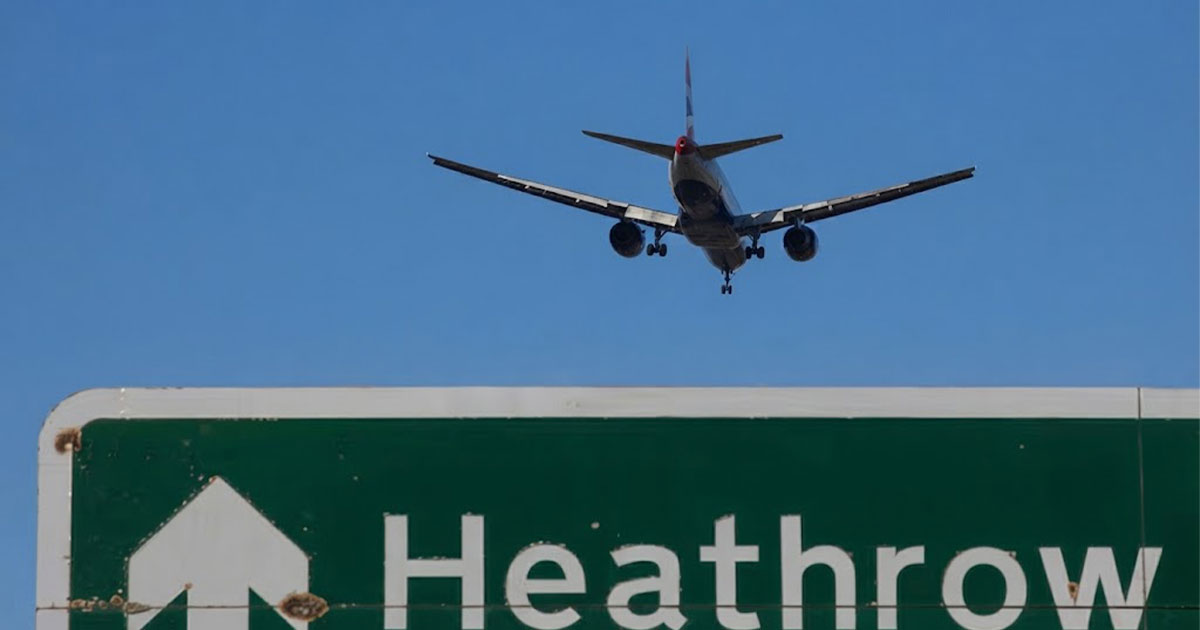

Heathrow expansion clashes with climate targets as demands to cut aviation emissions mount
Expansion plans for Heathrow Airport in Britain face a new climate test, after warnings British Climate Change Committee Establishing a third runway at the airport will not be consistent with the country's climate goals under current policies, unless the aviation sector takes greater responsibility for… Reducing aviation emissions.
The warnings come despite the British government's support for expansion as a means to promote growth and increase the airport's capacity, while the committee believes that increasing flights will add new pressures on the path to achieving net zero emissions by 2050.
Heathrow expansion hits climate
The Climate Change Committee confirmed that the government cannot proceed with the expansion of Heathrow Airport without establishing policies that oblige the aviation sector to fully address its emissions by 2050, whether by reducing them directly or using reliable technologies to remove the remaining carbon.
The committee notes that the aviation sector is progressing at a slower pace than other sectors in the decarbonization path, as its emissions have more than doubled since 1990, while the emissions of the British economy as a whole have decreased by about half during the same period.
These warnings are all the more important with Heathrow currently responsible for around half of Britain's aviation emissions, while they may represent the full implications of the expansion about 9.6% from The country's remaining carbon emissions in 2050.
Aviation faces a great responsibility
The committee believes that reducing aviation emissions requires shifting major responsibility to the sector companies themselves, through legislation obligating them to bear the cost of emissions produced by flights.
The proposals include requiring airlines to reduce emissions as much as they can, then paying for the cost of removing the remaining carbon dioxide using permanent engineering techniques.
According to the committee, Britain will need a long-term strategy spanning about 25 years General, clearly defines how to reduce sector emissions and develops alternative plans if the spread of clean technologies lags behind expected levels.
This trend intersects with the thirteenth goal of the Sustainable Development Goals on climate action, as the aviation sector represents one of the most difficult sectors to decarbonize due to its heavy reliance on liquid fuels and the difficulty of replacing them quickly on long flights.
Sustainable aviation fuel is still limited
Sustainable Aviation Fuels (SAF) are one of the main solutions to reduce emissions, as they can be produced from alternative sources of fossil fuels and used within existing aircraft architecture to varying degrees.
But its global use is still limited, as it represents less than 1% of total aviation fuel consumption, and its cost is several times higher than traditional aviation fuel.

Data from the Climate Change Committee indicate that the use of sustainable fuels has already contributed to a limited extent in reducing British aviation emissions during 2025, in addition to improving the efficiency of aircraft fleets, despite the increase in the distances traveled by passengers.
To learn about the role of alternative fuels in reducing emissions, read: Sustainable aviation fuel…a journey in green skies.
Decarbonization is not ready yet
Longer-term plans also rely on technologies to remove carbon dioxide from the atmosphere, such as direct air capture, to offset emissions that are difficult to eliminate within the aviation sector.
But these technologies are still in a very limited stage compared to the volume of global emissions, as the amount of removal achieved through engineering solutions has not exceeded the global level Approximately two million metric tons yet.
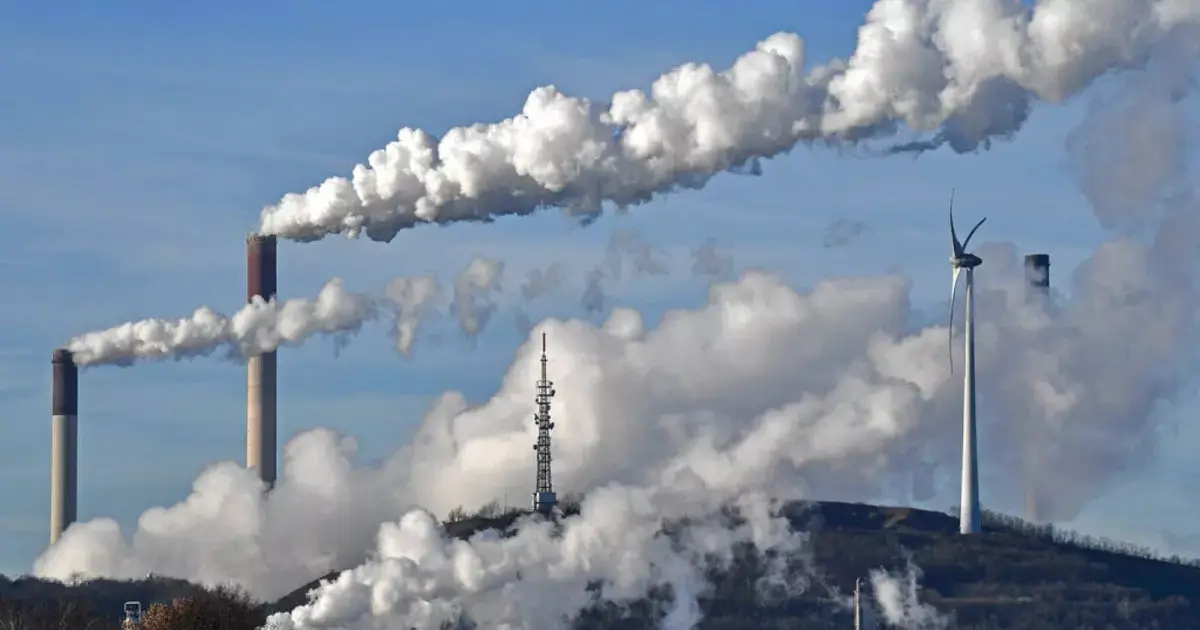
This means that the expansion of flights today depends in part on the expectation that future technologies will be able to operate on a much larger scale, which is why the Committee on Climate Change has called for backup plans if this expansion does not happen as quickly as required.
The ninth goal of the Sustainable Development Goals, related to innovation and infrastructure, is highlighted here, as reducing aviation emissions requires the development of new fuels, carbon capture and removal technologies, and long-term investments in a more efficient industry.
25 years to decide the future of aviation
The Climate Change Committee argues that Heathrow's expansion could only become compatible with Britain's climate goals if it is combined with tougher rules that ensure the aviation sector itself reaches net zero by 2050.
Continuing current policies will make aviation emissions nearly stable until mid-century, even without implementing the airport expansion, according to the committee’s assessment.
The British Ministry of Transport said that it will study the committee’s recommendations, while Heathrow Airport confirmed that it is working with the government and the sector to support economic growth in parallel with the development of clean aviation technologies.
And dominate The Earth Guards Foundation Light on that Reducing aviation emissions It has become an essential element in evaluating major infrastructure expansions, especially with growth plans relying on technical solutions, some of which are still limited in deployment, which increases the importance of linking any future expansion to a clear and measurable path to reducing emissions.


