

Global warming is intensifying… record levels of greenhouse gases and El Niño portend more
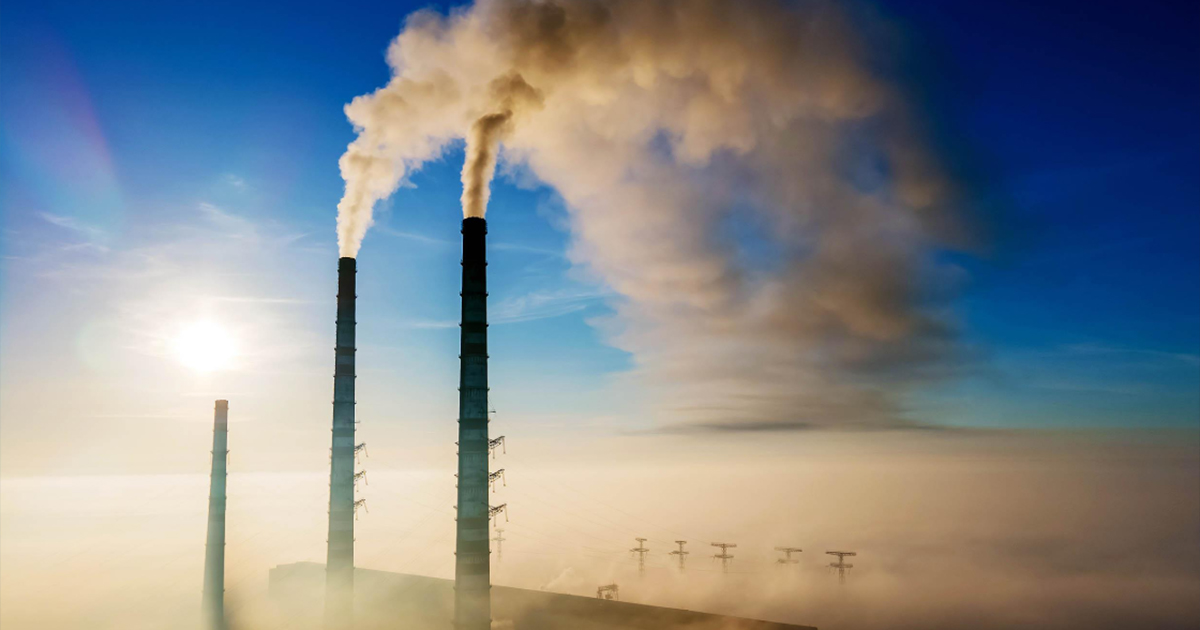

Global warming is intensifying… record levels of greenhouse gases and El Niño portend more
The concentrations of gases causing the phenomenon have reached Afor global warming In the atmosphere to unprecedented levels during the year 2025, according to Report issued by the World Meteorological Organization on October 27, 2026, amid warnings of its continued rise due to the burning of fossil fuels and the possible effects of the El Niño phenomenon.
The average global concentration of carbon dioxide was 426.8 parts per million, a level that reflects the continued accumulation of gases that trap heat around the Earth. With concentrations expected to increase through 2026, questions arise about the ability of natural systems to absorb carbon, and the climate impacts of some technologies used in the transition towards clean energy.
The organization intends to present its results to negotiators at the United Nations Climate Change Conference COP31, scheduled to be held in Antalya, Turkey, in November, to present the latest scientific data to countries discussing ways to confront climate change.
Atmospheric records
The report showed that carbon dioxide concentration during 2025 reached about 153% of its level in 1750, before the industrial revolution, after rising by 2.8 parts per million compared to 2024, exceeding the average annual increase recorded during the previous decade.
The rise was not limited to carbon dioxide; Methane and nitrous oxide also reached record levels, reaching respectively 267% and 126% of their pre-industrial concentrations.

These indicators reflect the volume of gases accumulated in the atmosphere, not the amount of new emissions within one year. This difference is gaining scientific importance. Because the gases emitted may continue to affect the climate for long periods, even as measures are taken to reduce future emissions.
Coe Barrett, Deputy Secretary-General of the World Meteorological Organization, warned that every additional increase in carbon dioxide concentration means more heat is trapped, which promotes warming of the oceans and atmosphere.
She pointed out that heat waves, tropical cyclones and rainstorms are intensifying at a pace exceeding what societies were preparing for based on previous climate records.
Does El Niño increase the climate crisis?
The organization expects carbon dioxide concentrations to continue to rise through 2026, driven by the burning of fossil fuels and the potential development of a strong El Niño phenomenon that will affect weather conditions and nature's ability to absorb carbon.
And are related El Niño phenomenon Changes in the water temperature of the tropical Pacific Ocean can affect rainfall and temperature patterns in different regions of the world.
To delve deeper into this relationship, I discussed: The Earth Guards Foundation In a previous report How does El Niño push the world toward drought?And the associated risks to natural resources.

According to the organization's warnings, the drier conditions accompanying the phenomenon may weaken the ability of natural carbon sinks to absorb carbon dioxide, adding pressure to the atmosphere.
But what happens when human emissions continue, but the ability of forests and natural systems to absorb some of them declines?
This relationship reveals the importance of preserving ecosystems within efforts to combat global warming. Forests play a role in the global carbon cycle, and their ability to perform this role is affected by the climatic conditions to which they are exposed.
The warnings come after severe heat waves witnessed in European regions during 2026, and devastating floods that struck parts of Asia and other regions, reflecting the magnitude of the risks that require developing means of adaptation and protecting societies.
Hidden gases in energy technologies
The report carries another warning With sulfur hexafluoride gas (SF6), widely used in electrical equipment, after the increase in its concentration during 2025 reached a record level.
The potential of this gas to cause global warming exceeds that of carbon dioxide by more than 24,000 times, according to the climate comparison scale, and it can remain in the atmosphere for more than a thousand years.
Concerns extend to hydrogen, whose concentrations rose by 5.3% between 2010 and 2024. Although it is not classified as a direct greenhouse gas, its leakage from production, transportation, and storage facilities may affect the chemistry of the atmosphere and contribute indirectly to increased warming.

Here a technical paradox appears that deserves attention. Hydrogen produced using renewable electricity can be used as a low-carbon fuel in the transportation sector, but achieving its climate benefits requires reducing leakages associated with its use.
This issue opens up room for consideration of the operating cycle of clean energy technologies, an angle I have addressed The Earth Guards Foundation In processing it The opportunities of green hydrogen and its role in the transition to clean energy.
The organization's warnings indicate that continued hydrogen leakage, along with the presence of sulfur hexafluoride gas for long periods, may reduce some of the climate gains expected from the global transition in the energy sector.
Scientific warning ahead of COP31
As COP31 approaches, the report's findings reaffirm the importance of drawing on scientific monitoring when setting climate policies and developing energy infrastructure.

This issue is related Target 13.2 of Goal 13 of the Sustainable Development Goals, on climate action, which calls for the integration of measures to combat climate change into national policies, strategies and plans.
The practical value of this approach is demonstrated in utilizing data to monitor sources of pollution, improving the efficiency of technologies, and reducing leaks that may affect the climate.
Co Barrett stressed that the energy transition is necessary and welcome, stressing the importance of implementing it intelligently, relying on environmental observations and monitoring.
The future of climate starts with accurate decisions
The WMO report reveals two interconnected challenges: the continued buildup of greenhouse gases in the atmosphere, and the need to manage the energy transition in a way that limits its unintended environmental impacts.
These results highlight the importance of combining emissions reduction, protection of natural systems, and development of environmentally responsible technologies, within a development path that balances energy needs and climate safety.
From measuring gas concentrations to monitoring energy technology leaks, the importance of scientific knowledge in guiding environmental action is clear. It is the issue you are making The Earth Guards Foundation At the core of its treatments, we seek to promote awareness of solutions that combine innovation and climate protection.
Every increase in gas concentration leaves a mark on the atmosphere, and every science-based decision that reduces emissions and leakages represents a step towards a more stable climate future..


