

Sustainable Design: A New Path to Combat Plastic Pollution
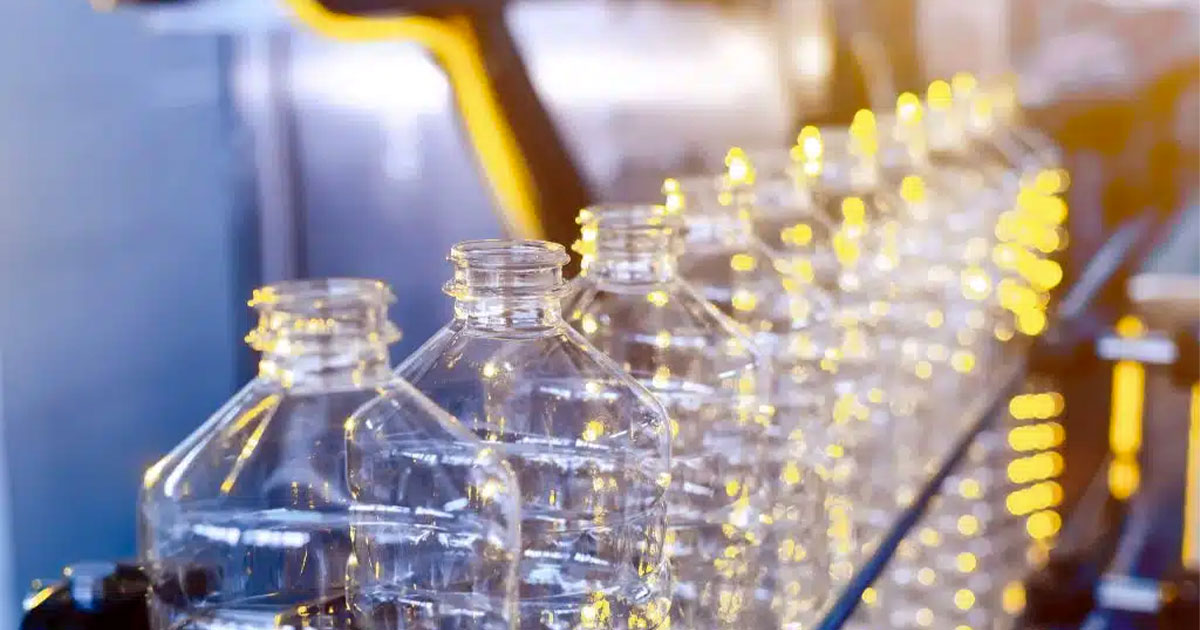

Sustainable design…a new path to confront plastic pollution
The plastic pollution crisis is increasing globally at an unprecedented pace, as millions of tons of waste continue to flow into all ecosystems, especially the oceans. Despite the efforts made in the fields of recycling and waste management, these solutions are still insufficient to reduce the extent of the problem.
Therefore, calls have recently emerged to reconsider the roots of the crisis, by focusing on the design of plastic products from the first stages of their manufacture until they are in the hands of consumers, in a way that ensures reducing their environmental impacts in the long term, and achieves the goals of good health and responsible consumption and production.
This is a radical approachIn the way of dealing with plastic pollution, the world has come to view this crisis as a problem with intertwined dimensions and linked to how plastic is produced and how it is used. Therefore, this article addresses the challenges of this crisis, and the role of “product design” in combating plastic pollution.
Challenges of traditional solutions
Most current efforts to confront plastic pollution depend on improving waste management and increasing recycling rates, but these solutions face major challenges. Recycling operations include only a limited percentage of plastic in the world, while the bulk of it is disposed of through burning or landfilling, which leads to serious environmental and health impacts, especially in light of the association of burning operations with harmful emissions.
There is also a difference between waste management systemsCountries deepen the problem, as many countries lack infrastructure capable of dealing with plastic waste effectively. That is, relying on traditional solutions alone will not be sufficient to address the crisis. This calls for searching for more comprehensive solutions.

Design combats plastic pollution
Design is one of the most important factors influencing the path of plastic pollution. Because it can determine from the beginning the extent to which the product can be reused or recycled. This concept – the concept of product design – is based on important standards, which are:
- Necessity
- Safety
- Sustainability
These three criteriaEnsures that plastic production is only in necessary cases, and in a way that ensures the safety of humans and their environment, taking into account how to dispose of it at the end of its lifespan. Then Goal 12 of the Sustainable Development Goals (SDGs), which is responsible consumption and production, can be achieved.
This innovative approach combats the problem and its effects at its roots by designing products that are less complex and more recyclable. This method contributes to significantly reducing the volume of plastic waste.
Car tires and microplastic model
From this standpoint, examples of products emerge to which we can practically apply the design method, most notably car tires, which are the main source of microplastics (small particles of plastic).
and includingCar tires are a wide-ranging source of microplastics. They are a clear example of those challenges intertwined with the issue of plastic pollution and its effects that affect the oceans and seas by about 1.2 million tons annually, which hinders the achievement of the fourteenth goal: life under water.

Despite the importance of car tires in modern life – especially with the absence of effective alternatives so far – their current design contributes to the emission of fine particles that negatively affect the environment. The most significant difference appears in the method of each manufacturing company when chemically formulating these tires. Its components are not subject to uniform standards in terms of safety or environmental impact.
From the above, it appears to us that the method of designing products has a wide scope to reduce this serious environmental impact, through the use of fewer materials.harm, and improving the properties of tires to reduce their wear and increase their lifespan, which contributes to reducing the emission of microplastics, in addition to the necessity of imposing clear standards related to the safety of the materials used; Which can reduce the health and environmental risks associated with it.
Design that takes into account the end of the product’s life
Adherence to standards of necessity, safety, and sustainability also requires adopting an innovative approach in designing plastic products, taking into account their shelf life. The traditional approach is that designers develop products that are made using fewer chemicals and ensure they can be recycled, but they do not think about the fate of single-use products after their shelf life. That is, their role is limited to ensuring the efficiency of the product and its attractiveness to the consumer. It is not surprising in this case to findToday, we are facing a global crisis caused by plastic pollution!
Challenges to international compatibility
The challenges mentioned above remain limited to manufacturing processes, so what about international policies? This is because some countries call for the adoption of strict standards, while these efforts face opposition from other countries. Because of this, the process of reaching global consensus is very complex.

In this context, we stress the importance of having clear and effective mechanisms for implementing relevant sustainability standards, such as:
- Classification of harmful substances
- Determine disposal schedules
- Relying on independent scientific recommendations
Global agreements can also contribute to strengthening efforts to combat plastic pollution, which is what the United Nations sought last year in the Geneva negotiations, where more than 100 countries supported imposing legal restrictions on plastic production, while oil-producing countries called for focusing on the concepts of “recycling” and “product design” instead of restricting production itself.
In conclusion, The plastic pollution crisis reflects the extent of our need to rethink the way in which plastic is produced as well as the way it is used, which poses to manufacturing processes, institutions and countries the need to take into account the “product design” method; That approach can address the problem from its roots, rather than just dealing with its effects.
Therefore, The Earth Guards Foundation confirms that the investigationReal progress in confronting plastic pollution requires a combination of design innovation, policy development, and enhanced international cooperation, which contributes to building a more sustainable resource management system that reduces environmental impacts in the long term.


