
Malnutrition in Africa goes beyond food shortages… 50 studies reveal the causes and available solutions

Malnutrition in Africa goes beyond food shortages… 50 studies reveal the causes and available solutions
Despite years of food and nutrition programs, still malnutrition It persecutes millions of children under five in sub-Saharan Africa. The irony is that the problem does not always start with an empty plate; A child may have access to food, but illness, unsafe water or poor health care prevent him or her from achieving healthy development.
This picture clearly emerged in a scientific review that included 50 studies published between 2015 and 2025, conducted by researchers specializing in public health, nutrition, and health systems. The review focused on forms of malnutrition among children under five, in addition to the interventions used to confront it in countries of the region.
The basic conclusion was clear: malnutrition is an issue where health, poverty, food, water, education and climate intersect, making food aid part of the solution within a broader system that both children and families need.
Stunting is at the forefront of the crisis
The researchers found that undernourishment It is still the most common form of malnutrition Among the children of the region. Malnutrition refers to any deficiency, excess, or imbalance in nutritional elements, while undernutrition appears when a child does not get enough energy and elements necessary for his growth. Studies reveal three main forms of malnutrition:
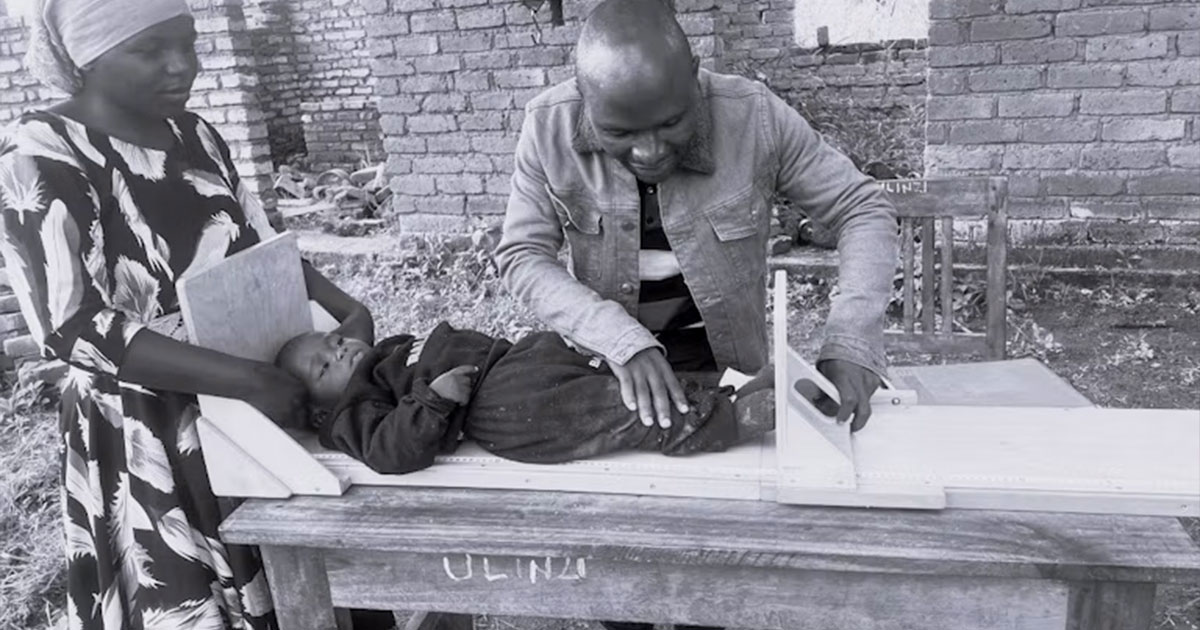
- Dwarfism: Short stature for age as a result of chronic nutritional deficiency.
- Emaciation: Low weight for height, usually associated with severe and rapid nutritional deficiency.
- Weight loss: The child's weight is less than the appropriate rate for his age.
And it increases Risks of stunting During the first two years of the child's life. After the end of the exclusive breastfeeding stage, the child needs appropriate complementary foods in terms of quantity and quality, and any gap during this stage may affect growth for a long time.

Stunting was the most frequently reported form of undernutrition in studies, with a rate exceeding 25% among children under five years old in a number of countries, including Tanzania, Uganda, Ethiopia, Liberia, and the Central African Republic.
Studies covering 12 countries in sub-Saharan Africa recorded about 20% of children under five as underweight, while wasting was frequently linked to food insecurity, poverty, poor sanitation, and limited access to health services.
Another side of malnutrition
At the same time, some countries are beginning to experience a different trend of overweight children, especially with urbanisation, changing diets and the increasing prevalence of highly processed and refined foods.
And here it becomes a crisis malnutrition more complex; Undernutrition and overweight may coexist within the same country, in what is known as the double burden of malnutrition.
This indicates that the quantity of food, the quality of food, its variety, the way it is served, and the environment in which it lives all play a fundamental role in the final result.
And starting from Sustainable Development Goal 2, Zero HungerThe results of the review reveal that access to adequate food needs to be accompanied by nutritious food appropriate to the child’s developmental stages, with a diet capable of providing these needs in a stable manner.
Why does the danger persist?
Some cases are declining malnutrition With nutritional support programs, but studies have found other factors that can put a child back at risk, including illness, poor diet, unsafe water, poverty, and poor maternal education.
Climate pressures add another level of difficulty; Declining food production, rising food prices, or poor water sources can affect families' ability to provide a diverse diet, especially in low-income communities.
Can a child fully benefit from nutrition if illness recurs or access to health services is difficult? Here the third goal of sustainable development, concerned with good health and well-being, meets the nutrition file. Because disease prevention, vaccination, and health follow-up are factors that directly affect the child’s development.
Water also appears as a basic link. Unsafe water and poor sanitation increase the risk of disease, which makes… Sustainable Development Goal 6, on clean water and sanitationIt is part of the fight against malnutrition and not a separate file.
To understand how an unhealthy environment and the body's poor utilization of nutrients can affect a child's development even with the availability of food, read: Malnutrition in children.. Why is food alone not enough to combat stunting?.
Which interventions are most effective?
The researchers divided the interventions used to cope malnutrition into three main paths:
- Direct nutritional intervention: It includes supporting breastfeeding, providing nutrient-rich foods and supplements, as well as detecting cases of acute malnutrition and treating children within their communities.
- Interventions related to the environment surrounding the child: Such as improving agriculture, water and sanitation, disease prevention, cash transfers, and education for mothers and caregivers.
- Integrated solutions: It combines direct nutritional support with addressing the economic, health and environmental factors that affect child nutrition.
The review found that combining these pathways gives a greater chance of achieving sustainable results, because a child’s health is affected by the conditions in which his family lives as much as it is affected by the quality of food he receives.
When a home garden is not enough
Home gardens provide a clear example of this relationship. They can increase the amount of food available to a family and improve the diversity of the diet, but studies have recorded mixed results regarding children's growth.
A family may have vegetables and fruits at home, while it remains a problem malnutrition List if proper feeding practices are absent, illnesses recur, or the family lacks access to safe water, vaccinations or nutritional counseling.
That's why caregiver education becomes part of the solution as well. Appropriate breastfeeding, timing of introducing complementary foods, choosing a variety of meals, and early management of signs of illness are all daily decisions that can affect a child's growth trajectory.
The results also indicate the importance of local knowledge and community participation; Culture, customs, and the way residents accept the program can determine whether the intervention will continue or decline once external funding ends.
One child, three goals
Reveal a crisis malnutrition In sub-Saharan Africa, in practical terms, the extent to which the sustainable development goals are interconnected; A child who needs food is linked to the second goal, his health leads him to the third goal, while water and sanitation takes him back to the sixth goal.
This interconnectedness explains why the review found that integrated programs may be more capable of creating long-term change. Promoting lactation and nutritional supplements can coincide with supporting agriculture, improving water and sanitation, family education, and expanding access to health services, thus shifting the confrontation malnutrition From distributing food when a crisis arises to building conditions that help the child grow from his early years.
In conclusion, according to the findings of the review, Sub-Saharan Africa needs an integrated response to confront malnutritionIt combines direct nutritional support and addresses the reasons that put children at risk.
This requires coordination between governments, communities, health systems, the agriculture sector and development organizations, as well as addressing poverty, food insecurity, climate pressures and unequal access to services.
And put down The Earth Guards Foundation These results are within a broader framework that believes that combating malnutrition begins with the child’s immediate needs, then extends to the environment that determines his ability to benefit from the food and care he receives.
Investing in a child's health and nutrition has an impact beyond their early years. It is linked to future learning, productivity, and health, which makes reducing… malnutrition A long-term investment in human capital and the future of development in Africa.


