

Cyclone Arnab hits India… 180,000 people evacuated amid fears of floods
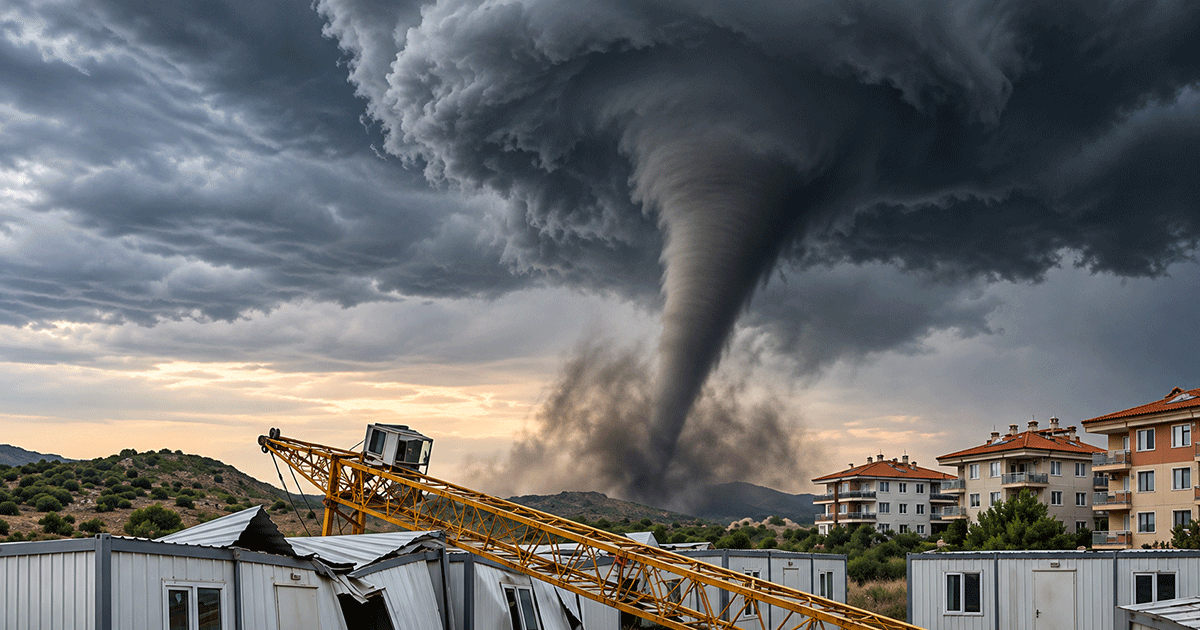

Cyclone Arnab hits India… 180,000 people evacuated amid fears of floods
Trees uprooted by the wind and falling on roads, collapsed electricity poles, and homes submerged in water; Scenes behind her Cyclone Arnab After it reached the eastern coast of India on Wednesday morning, October 28, 2026, pushing thousands of residents into shelter centers, amid fears of expanding damage as violent weather conditions continue.
Despite the strength of the storm, the authorities succeeded in evacuating more than 180,000 people from the states of Andhra Pradesh and Odisha before its arrival, without recording any deaths. This paradox reveals the value of early disaster preparedness, as warning and evacuation hours can make a big difference in protecting lives and enhancing the ability of communities to confront natural hazards.
Strong winds hit the Indian coast
She declared Indian Meteorological Department Cyclone Arnab made landfall on the Andhra Pradesh coast on Wednesday morning, before its center moved completely landward, classifying it as a very severe cyclonic storm, the third highest category on its scale.
The Authority expected wind speeds ranging between 125 and 135 kilometers per hour, with gusts that could reach 150 kilometers per hour, and sea waters due to the storm to rise between one and 1.5 meters above the normal tide level, threatening to submerge low-lying coastal areas.
Television scenes showed fallen trees obstructing traffic, while emergency teams worked in the rain to remove branches and debris from the roads.
The authorities warned of possible damage to agricultural crops, houses with thatched roofs, and communications lines, and advised fishermen to refrain from going out to sea, in light of the dangers posed by the winds and strong waves.
Damaged homes and lives on hold
In the Kakinada region of Andhra Pradesh, residents lived hours of anxiety as the storm waters advanced towards their homes. One resident, named Naji, described the state of fear that dominated the area, as the people were unable to know which house the waters would reach or be submerged in the next house.
He pointed to the fall of trees, the damage to homes, and the loss of family possessions, including books, in a scene that reveals the extent of the losses that disasters can leave in the daily lives of residents.

The unrest extended to basic services. Power was cut off in affected areas, some schools were closed, and train and flight services were cancelled, while the Indian Ministry of Civil Aviation announced the suspension of operations at three airports in Andhra Pradesh.
These damages reveal a social and economic facet of the disaster. The loss of property and the disruption of education, transportation, and services expose families to challenges that may continue after the storm subsides, and makes recovery dependent on quickly restoring the basic necessities of life.
Cyclone dangers reach Nepal
Fears of the effects of Cyclone Arnab extended to neighboring Nepal, where authorities announced the suspension of issuing trekking permits to high mountainous areas for three days, in anticipation of heavy rains, snowstorms and avalanches.
The decision came during the peak mountain trekking season, which witnesses the issuance of about 750 permits daily, highlighting the potential impact of weather disturbances on tourism activity.
On Tuesday, the Nepalese authorities warned tourists against heading to the highlands, with dangerous weather conditions expected in the Himalayan region from Thursday evening until Saturday.
These measures illustrate how a single weather storm can impose different challenges on coastal and mountainous regions, and make sharing warnings and early preparedness necessary to protect residents, visitors and economic activities.
How does early warning protect lives?
The Bay of Bengal, where Cyclone Arnab formed, is a region known for the emergence of violent tropical cyclones, and the eastern coast of India has witnessed disasters that left huge human losses.
In October 1999, a super cyclone struck the state of Odisha, causing the deaths of about 10,000 people, in one of the deadliest natural disasters in the country's history.
Since then, India has developed early warning systems and preventive measures to reduce human losses, and the evacuations of more than 180,000 people before the arrival of Cyclone Arnab reflect the importance of these preparations in protecting the population, and the ability of communities to benefit from the lessons of previous disasters.

These efforts are related Target 13.1 of Goal 13 of the Sustainable Development Goals, on climate action, which calls for strengthening resilience and adaptation to climate-related hazards and natural disasters.
The importance of this goal is demonstrated in practical actions that reduce human exposure to risk and support communities' ability to prepare, respond, and recover.
These developments recall the experiences of other recent hurricanes that were covered by The Earth Guards Foundation, including: Hurricane Isaias, which caused casualties and disrupted electricity supplies in the United StatesThis highlights the importance of protecting infrastructure and basic services in the face of storms.
When preparation precedes the force of the storm
The aftermath of Cyclone Arnab reveals an important human equation; Winds and rain caused damage to homes, roads and services, while warnings and preventive measures helped move more than 180,000 people to safe areas before the storm arrived.
From this experience, the importance of the issue you care about becomes clear The Earth Guards Foundation In its approaches to sustainable development; Building resilient societies begins with human protection, developing warning systems, and preparing infrastructure to confront disasters and recover from their effects.
As residents of affected areas face the task of restoring their homes and services, the Indian experience provides a lesson in the value of early preparation. It may be difficult to stop a hurricane approaching the coast, but timely warning gives thousands of families a chance to survive before it arrives.


