

Cairo is looking for a new model in waste management that integrates technology and zabaleen

Cairo is looking for a new model in waste management that integrates technology and scavengers
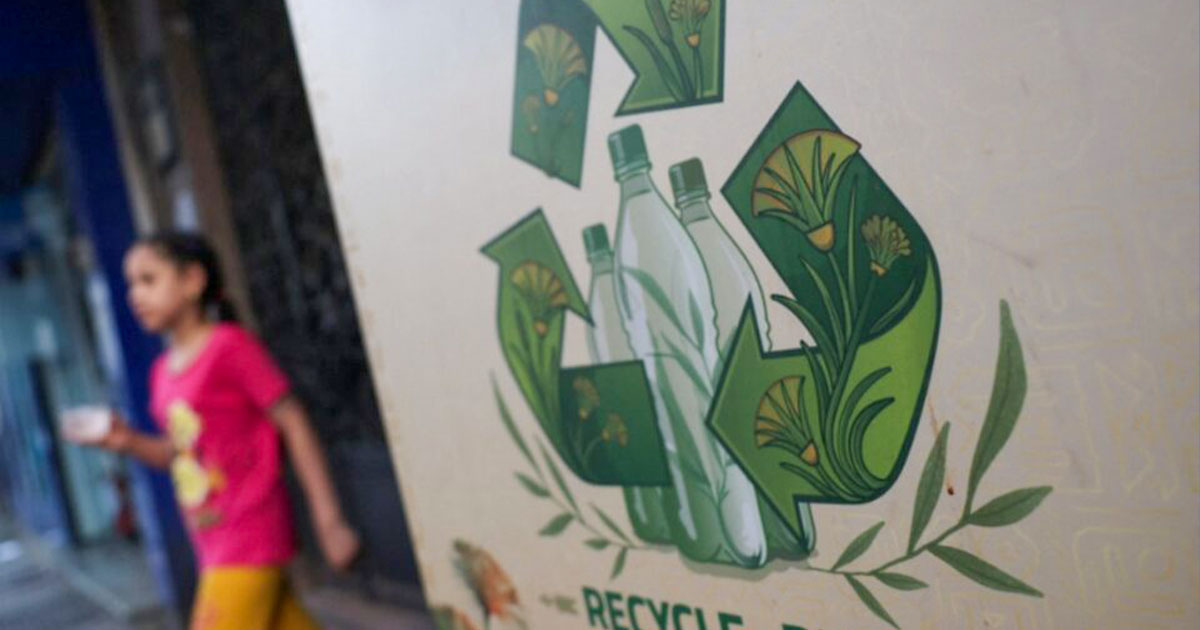
A dispute over new recycling machines in Cairo has reopened the debate on waste management In a city with a population of more than 20 million, the system has for decades relied on informal networks that play a key role in collecting, sorting and recycling waste.
The dispute began after two machines appeared in the Dokki area allowing citizens to obtain phone credit in exchange for handing over empty bottles and cans. This is a model aimed at encouraging recycling, but it raised the objection of the sect of scavengers who saw the expansion within his work areas as a threat to his livelihood.
The dispute revealed a broader issue than the machines themselves, related to… How to modernize waste management in Cairo while preserving the role of traditional networks that have filled gaps within the waste collection system for decades.
Machines that ignite disagreement
This was not the first time that similar machines had been used. They had already been used for years inside universities, private clubs, commercial centers, and closed residential complexes, places where scavengers usually do not work extensively.
But the transfer of the experiment to Dokki changed the nature of the debate, after the scavengers considered that introducing machines to areas they rely on to collect waste might reduce the quantities they obtain and affect their sources of income.
The dispute escalated when Shehata Al-Maqdis, head of the Scavengers Syndicate, appeared in a television confrontation with an official, asking about the location of the garbage collectors. Within the new system.
After the conflict came to light, the Giza Governorate agreed that the scavengers would undertake to unload the contents of the machines themselves, in exchange for purchasing the materials they collect, while the governorate confirmed that it was working to integrate them into the system.

Scavengers are an essential part of the system
To understand the problem more deeply, a large part of waste management in Cairo depends on the Zabaleen network, who collect waste from homes and transport it to sorting sites distributed throughout the city. Academic estimates indicate that this network may collect about half of Cairo’s waste, while recycling about 80% of what it collects, a percentage that has made their experience a subject of interest to researchers and environmental specialists.
The roots of their work go back to This field dates back to the 1940s, with the introduction of the waste collection trade, before the network turned over time into an established part of the recycling economy in the capital.
However, over the past decades, this community has been exposed to repeated challenges, in addition to previous attempts to restructure the waste collection system.
Technology is not the problem
The disagreement makes it clear that the main objection is to the possible exclusion of scavengers from the new system and not to the use of the technology itself.
Therefore, Shehata Al-Maqdis, head of the Scavengers Syndicate, said that introducing more advanced means of collecting garbage does not represent a problem for him, but he objected to designing a system that does not give its current workers a clear role.
This point reflects a recurring challenge in modernizing waste management; So success Technology is linked to its ability to integrate with people and institutions that already exist within the collection, sorting and recycling chain.
The Dokki experience highlights that the solution may be in distributing roles instead of replacing one party with another, so that the machines encourage citizens to separate and deliver, while waste collectors continue the process of transporting, sorting, and dealing with recyclable materials.
Cairo lacks an integrated system
The crisis also reveals a larger problem, as Cairo lacks a cohesive waste management system, which leads to garbage accumulating in some alleys and vacant lots or being burned, which exacerbates air pollution problems.
The capital had previously witnessed attempts to reform the system, including seeking the help of foreign companies in the early millennium, but a number of these attempts faltered due to… Adopting partial solutions that do not integrate the entire waste chain.
Those working in the sector believe that the system needs to link the consumer with the waste collector and the sorting and recycling entities, so that each party works within one chain instead of implementing separate projects.

This challenge intersects with the eleventh goal of the Sustainable Development Goals, which is concerned with sustainable cities and local communities, especially since improving waste management represents an essential part of reducing the environmental impact of cities and improving the quality of life in them.
To learn about another aspect of recycling development efforts in Egypt, read also: Huge expansions of plastic recycling in Egypt.
The update needs to integrate everyone
In a parallel track, work is underway on a new facility northeast of Cairo that aims to treat up to 15,000 tons of waste per day, with funding from the World Bank, with a focus on heavy and hazardous waste.
The project aims to improve the efficiency of the entire chain, which reflects a trend towards dealing with waste management as an interconnected system that includes collection, transportation, sorting, treatment and recycling.
This trend also intersects with the twelfth goal of the Sustainable Development Goals on responsible consumption and production, especially since increasing recycling rates and making use of reusable materials reduces waste and supports the efficient use of resources.
On this basis, The Earth Guards Foundation refers He noted that modernizing waste management in Cairo requires combining technology and the accumulated experience of workers in the informal sector, ensuring the development of the system without losing the roles that have contributed for decades to collecting, sorting, and recycling a large portion of the city’s waste.


