

Europe tightens sustainable packaging rules to reduce eternal plastics and chemicals
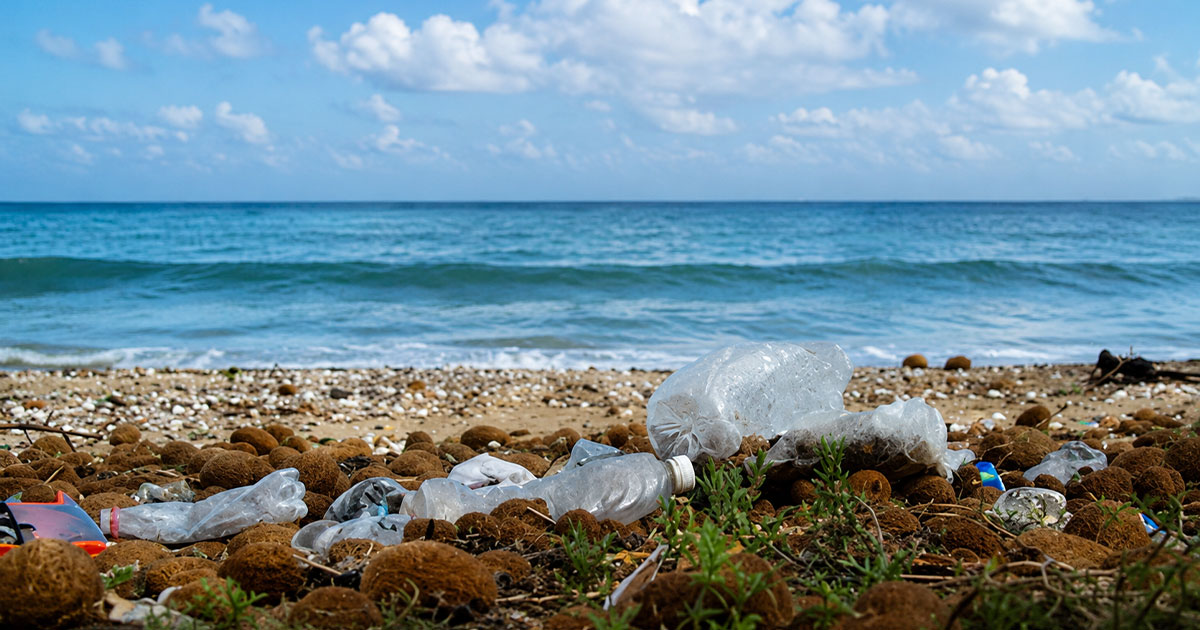

Europe tightens sustainable packaging rules to reduce eternal plastics and chemicals
From takeaway boxes to water bottles and everyday shopping packaging, Europe is entering a new phase in dealing with waste after introducing rules aimed at pushing the market towards sustainable packaging, reducing the use of plastics made from fossil fuels, and imposing restrictions on very persistent chemicals known as eternal chemicals.
The new rules come after packaging waste in the European Union rose by more than 20% in the last decade, driven by the spread of online shopping and fast-paced consumption patterns. With Europe producing about 180 kilograms of packaging waste annually,The packaging itself has become part of a broader discussion about health, resources and the circular economy.
Packages under the microscope
The packaging industry represents about 40% of plastic consumption in Europe, which makes the shift towards sustainable packaging an issue that goes beyond waste management to reducing economic dependence on oil-related raw materials, especially with the pressure global supply disruptions may cause on markets.
On the other hand, the average packaging waste in the European Union is about 180 kilograms per year per capita, including 35 kilograms of plastic made from fossil fuels, while only 42% of this waste was recycled in 2023.
In an attempt to confront this rapid increase in the volume of containers entering the marketEuropean then turn into waste; The new legislation rewrites rules, some of which date back to the 1990s; In an effort to commit to the efforts of Sustainable Development Goal 12: Responsible Consumption and Production.

Restrictions on Eternal Substances
The first measures begin by imposing maximum limits on PFAS (forever chemicals) in food-contact packaging, as well as requiring manufacturers to provide information that allows authorities to trace the source of the packaging when safety concerns arise.
These materials are used in products such as ready-to-eat food containers, bakery papers, and pizza boxes, due to their ability to resist water and fats. But the problem is that these materials do not decompose naturally easily, and can be transferred to…Water, air, soil and food!
The accumulation of these substances causes health risks that threaten human life, and among these dangers are:
- Some types of cancer
- Kidney diseases
- Immune disorders
- Pregnancy complications
- Children’s growth problems
Hence, the relationship is clear between sustainable packaging and reducing the amount of plastic, and there is also a relationship between it and the quality of materials that come into contact with food. Which directly intersects with the third goal of the Sustainable Development Goals (SDGs), concerned with good health and well-being. The safety of materials used in packaging becomes part of reducing daily exposure to sources that may carry long-term health risks.

2030 turning point
Although some restrictions are starting to take effect now, the bulk of the transformation will appear in the coming years; A unified system is scheduled to be implemented in 2028 at the European Union level, with labels that will help consumers sort packaging waste more efficiently.
The year 2030 will be a very important turning point in the new rules. The European Union aims to reduce packaging waste by 5% by this year, then 15% by 2040, compared to 2018 levels.
The new rules will also require packaging to be recyclable in an economically viable way, set targets for reuse, and ban some forms of single-use packaging.Imposing limits on empty spaces inside containers.
From consumption to recovery
The measures also include implementing mandatory packaging recovery systems in exchange for a financial incentive when returning metal cans and plastic bottles, which encourages the re-collection of materials and their introduction back into the use cycle. In parallel, Europe is working to export waste. Another law to regulate exports of plastic waste came into effect last May, with the aim of ensuring that it is dealt with in a more sustainable manner after decades of exporting large portions of the Union’s waste to other countries, where some of it ended up in improper disposal.

The European Commission also intends to launch a consultation later in the year on standardized labeling; In order to clarify a methodDisposing of containers to the consumer in an easy manner. This aspect may be crucial to the success of the sustainable packaging concept; The presence of a recyclable package alone does not guarantee that it will actually enter the recycling stream if the consumer does not know where to put it or how to sort it.
Deadline before sanctions
The entry into force of the new rules will not mean that non-compliant products disappear from the market immediately; According to a European Union official, member states are supposed to begin issuing warnings to companies instead of imposing sanctions on them directly. This is to give manufacturers time to address issues and adjust their products to fit the new rules.
Is packaging culture changing?
New European rules revealedThe future of packaging will be determined by the quality of chemicals, reusability, design efficiency, and the consumer’s ability to dispose of packaging correctly.
In conclusion, the The Earth Guards Foundation indicates that the transition to sustainable packaging requires looking at packaging as part of a complete cycle that begins with the selection of materials and design, passes through consumer use, and ends with recollection or recycling, rather than quickly turning into a new environmental burden.
As 2030 approaches, the real test facing the new European rules will be their ability to transform these goals from regulatory texts into tangible change in store shelves and the behavior of companies and consumers, so that less waste and safer packaging becomes the rule rather than the exception.


