

Egypt allocates $100 million to finance sustainable development projects in the Nile Basin countries
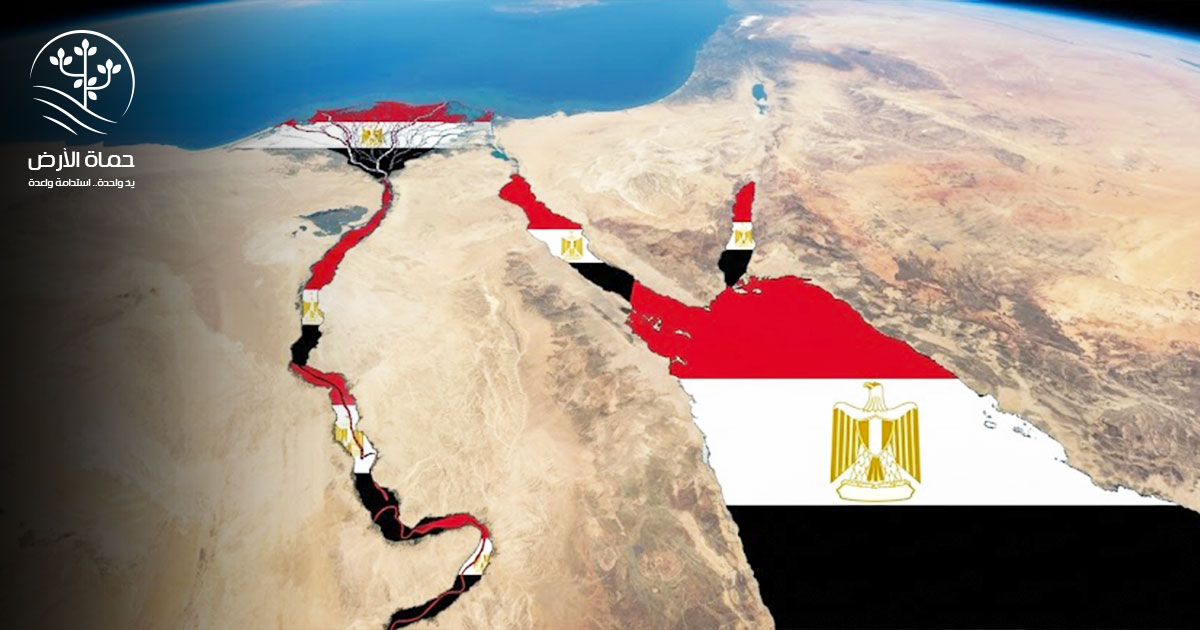

Egypt allocates $100 million to finance sustainable development projects in the Nile Basin countries
African countries have recently been working to strengthen joint cooperation among themselves, especially in light of the increasing development and climate challenges facing the African continent, and joint cooperation is one of the basic paths to support stability and achieve sustainable development.
In this context, Egypt adopts an approach based on partnership and integration with African countries, believing in its regional role and based on its awareness of the specificity of the common issues facing the peoples of the continent, most notably water security,climate changes, and the needs of development, infrastructure, and human capacity building.
In recent years, the Egyptian state has sought to consolidate its regional role within the African continent by expanding the scope of bilateral cooperation, exchanging experiences, and implementing direct development projects that affect the needs of citizens, which reflects a practical trend towards supporting African development from within.
This approach also reflects Egypt’s belief that achieving sustainable development on the continent is linked to establishing long-term partnerships based on transferring knowledge, enhancing the efficiency of resource management, and achieving common interests among African countries.
Strengthening cooperation with the Nile Basin countries
In the same context, Dr. Hani Sweilem, Minister of Water Resources and Irrigation, received a detailed report from Dr. Arif Gharib, Head of the Nile Water Affairs Sector, to review the work files of the Nile Water Affairs Sector, and the position of bilateral cooperation projects with the southern Nile Basin countries, within the framework of Egypt’s strong commitment to supporting sustainable development efforts in the Nile Basin countries, based on the directives of His Excellency Mr. President Abdel Fattah El-Sisi, President of the Republic, to finance studies and development projects in the Nile Basin countries. Nile.
The report reviewed the cooperative approach followed by Egypt to enhance joint cooperation with the countries of the Southern Nile Basin, by implementing projects to serve the citizens of these countries, at a total cost exceeding 115 million dollars.

Clean water and sanitation projects
The projects include the establishment of underground wells powered by solar energy for drinking purposes, ground tanks, river anchorages, projects to clear waterways of weeds, the establishment of flood forecasting centers, and centers for water quality analysis, in addition to exchanging visits, sharing applied research, and implementing technical studies to ensure the achievement of integrated management of water resources in the Nile Basin countries.
This is in addition to providing training courses through the African Training Center for Water and Climate Adaptation (PACWA) for African trainees, and providing scholarships for students with the aim of obtaining distinguished academic degrees in fields related to water resources and irrigation.
Financing development projects in Uganda and Kenya
The report also reviewed the position of bilateral cooperation projects implemented by Egypt in Uganda, such as the “Aquatic Weed Control Project,” the sixth phase of which is currently being implemented and which began in 2023, as the project implementation work is progressing well according to the scheduled timetable agreed upon with the Ugandan side in this regard.
This is in addition to presenting the implementation position of the recently signed memorandum of understanding on integrated water resources management, worth 6 million US dollars, which includes establishing ground reservoirs, drilling new underground wells, developing underground wells and converting them to work with solar energy; In support of the seventh goal: clean and affordable energy, and training and building the capabilities of workers in the Ugandan Ministry of Water and Environment, in light of the work of the steering committee between the two sides, which recently held its meetings in April 2026.
The report also reviewed the proposed aspects of cooperation between Egypt and Kenya in light of the implementation of a number of water cooperation projects during the coming period, which primarily aim to achieve sustainable development, and for the benefit of the Kenyan people, in light of the distinguished relations between Egypt and Kenya.

In conclusion, the continued Egyptian movements within the countries of the African continent in general and the Nile Basin countries in particular reflect an important shift in the nature of African relations, as they have turned into real development partnerships based on common interests and the practical implementation of projects capable of improving the quality of life and enhancing stability within African societies. Egypt’s focus on water and clean energy projects and building technical capabilities reflects an integrated understanding of the nature of the challenges facing the continent, especially with the increasing pressures associated with population growth, climate change, and development needs.
Earth Defenders Foundationemphasizes the importance of these efforts in achieving water security and sustainable development in Africa, which has become increasingly linked to the ability of African countries to build models of regional cooperation based on the exchange of experiences, the integration of resources, and the strengthening of trust between peoples and governments.


