

Egypt Revives Pharaohs’ Language: Why Hieroglyphics are Returning to Classrooms

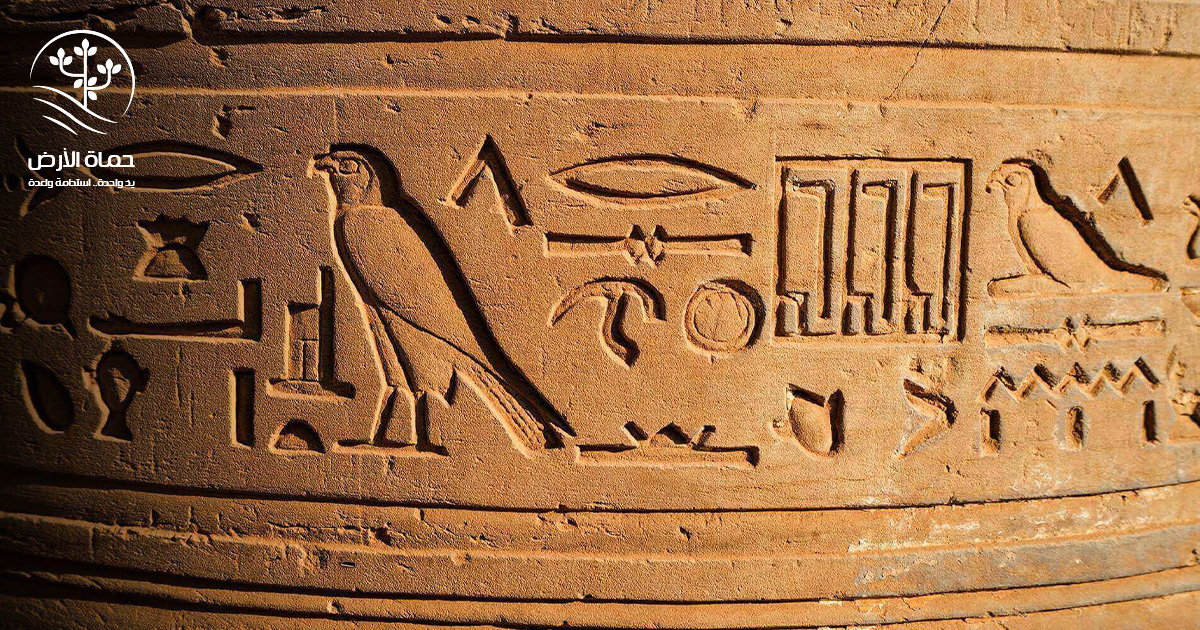
Egypt revives the language of the Pharaohs.. Why are hieroglyphs returning to the educational scene?
In a time when technological transformations are accelerating and languages are changing, Egypt chooses to return to its roots and launches a pioneering educational initiative that enables young people to listen to the voice of their ancestors in their original language. Through joint cooperation between the Ministry of Youth and Sports and some charitable institutions, a distinguished training course is being launched to teach hieroglyphic writing. To open a window to the participants on the world of the ancient Egyptians and their philosophy of expression and documentation.
The first activities of the course will begin today – August 7, 2025, led by an elite group of professors specializing in ancient Egyptian civilization. It will be an interactive journey that mixes history, art, and language, and will extend over a period of five weeks with weekly meetings. Open a windowAt the time of the ancient Egyptians.
Among what the course will present: the history of the invention of writing and its tools, and the secrets of the letters that immortalized the world’s greatest civilizations. Trainees will learn about the difference betweenhieroglyphic script, hieratic, demotic, and Coptic, and they will move between the walls of temples and the inscriptions of heritage tombs; To learn to decipher codes and understand symbols and rituals.

A language written by ancestors thousands of years ago
Learning hieroglyphics does not only serve those interested in antiquities, tourism, or researchers, but it is an intellectual and aesthetic exercise, combining analysis, logic, and artistic vision. How could it not? It is a language that combines symbol, image, and meaning, and carries within it a complete philosophy of life, and many of the words we pronounce today have their roots in that language.
To achieve this, this educational course on learning hieroglyphs will expand the horizons of the participants, providing them with more than just linguistic knowledge; It represents an introduction to a deep understanding of ancient Egyptian civilization, and a practical enablement to produce content that reflects the spirit of that civilization in its original language. Therefore, qualifying young people to read and translate sacred inscriptions and symbols is a step towards cognitive independence, and towards restoring cultural sovereignty.
The practical and interactive nature of the course
One of the most prominent features of this course is its practical and interactive nature. The trainee will not be just a recipient, but will live the experience with all his senses. Between exercises in drawing letters, reading nominal and verbal sentences, and learning about different writing systems, the course will provide an educational environment that resembles a trip to the Valley of the Kings, not a classroom.Traditional.
Trainees will be able to view ancient writing tools such as papyrus, stones, and used surfaces, and even try writing sentences using original symbols. The course will also include explanation sessions for ancient murals, how to translate them and infer cultural and religious meanings from them, in addition to field visits that allow linking theory with reality, through contemplation of temples, tombs and texts written in the golden ages of Egypt.
Cultural identity achieves sustainable development
In an era in which the concepts of identity, education and development intersect, the Hieroglyphic Language Education Initiative stands out as an effective model for integrating culture into sustainability paths. Reviving the ancient Egyptian language is a cognitive and cultural investment that enhances man’s position in understanding his history, and gives him tools to express his civilization.In his original perspective. This vision is consistent with Goal (4) of the Sustainable Development Goals (SDGs), which is to ensure quality education and enhance cultural and societal diversity.
In this context, learning hieroglyphics represents a strategic step to support tourism in Egypt. It improves the efficiency of tour guides and turns visits to temples and archaeological sites into interactive experiences full of knowledge and cultural awareness. Young creatives in the fields of media and digital art can also use the knowledge they gain to produce films, educational games, and smart applications that re-present Egyptian civilization in its original language.

The matter goes beyond education to preserving intangible heritage, which is consistent with UNESCO’s directives to protect the cultural memory of peoples. The ability to decipher a Pharaonic inscription represents the recovery of an important part of…Historical awareness, and contributes to building a future more rooted in a rising national identity.
At the heart of this cultural project, theThe Earth Guards Foundation seesthat teaching hieroglyphs is an essential step towards restoring the depth of civilization, and rebuilding the relationship between young people and their history in the language of their ancestors. Reviving this language is not limited to knowledge alone, but rather goes beyond it to become a tool for expression and a way to create content worthy of Egypt’s status among nations.


