

Historic Cairo Forum Showcases Integrated Vision to Revitalize Heritage Through a New Lens
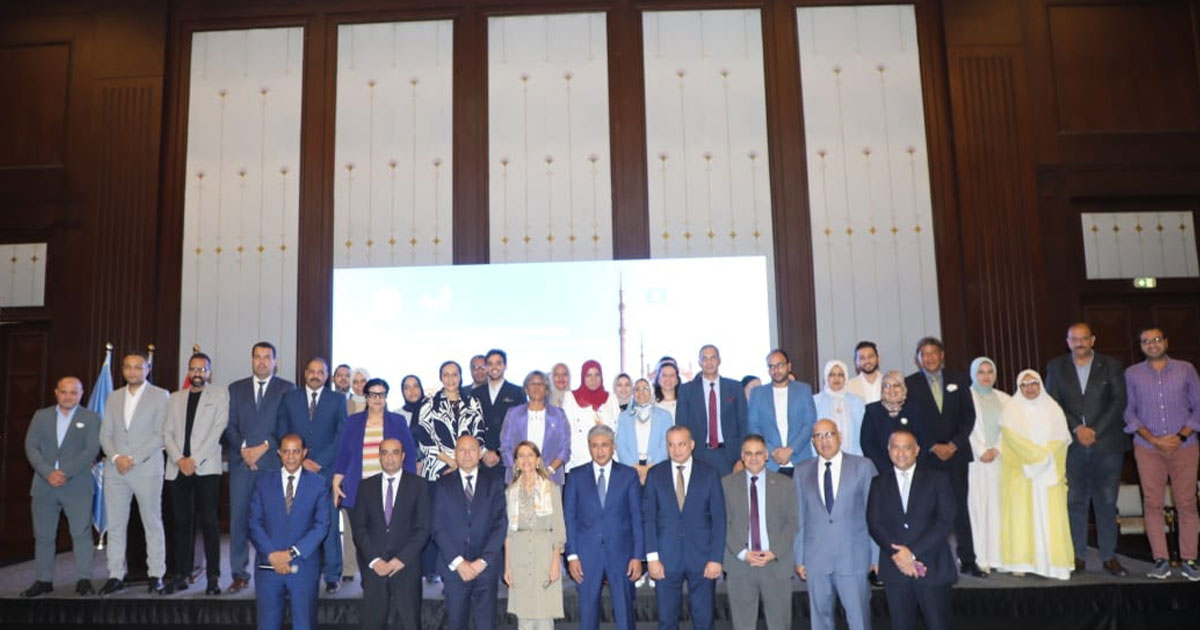
The Historic Cairo Forum reviews an integrated vision for reviving heritage with a new perspective
In a strategic step that reflects a serious trend towards integrating heritage into the vision of sustainable development, the Minister of Tourism and Antiquities, Mr. Sherif Fathi, launched the “Historic Cairo – An Integrated Vision for a Sustainable Future” forum, in cooperation with the UNESCO Regional Office in Cairo. This qualitative event came to confirm the position of historic Cairo at the heart of national policies for environmental and social justice, and to re-present it as a vital space capable of producing urban and economic solutions based on the sustainability of heritage.
The forum had broad participation that included representatives of the governorate, the Urban Development Fund, the Supreme Council of Antiquities, and the Tourism Promotion Authority, along with a number of heritage experts, university professors, and community representatives.Al-Madani, to form a dialogue platform that reflects a remarkable shift in outlook on the development of the historic Cairo region. It is no longer limited to restoring buildings or preserving the architectural character, but rather the city is seen as a vibrant entity that can be revitalized by supporting traditional crafts, reviving cultural memory, and stimulating tourism.

Transforming Historic Cairo into a living center for development
In this context, the Minister presented an integrated vision based on a participatory approach that integrates the efforts of the relevant ministries and academic expertise with local communities, stressing the necessity of allocating spaces for craftsmen within the ancient urban fabric, and linking their products to digital marketing platforms, in a way that enhances the green economy and provides job opportunities based on cultural heritage.
And of thisStarting from this, a call was made to establish an integrated center for visitors that would contribute to improving the tourist experience and providing knowledge services, while preparing a comprehensive map of archaeological sites in the region. These proposals represent an intelligent response to complex urban development challenges, and place the historic city at the heart of the sustainable tourism path.
New projects to revive heritage areas in Cairo
The forum witnessed a presentation of seven field projects presented by students and experts from several universities, which included various ideas, such as improving energy consumption in the Citadel area, increasing green spaces in Fustat, developing cultural activities in Al-Gamaleya and Al-Darb Al-Ahmar, in addition to documenting the architectural character in eastern Cairo.
One of the most prominent of these projects isThe “Al-Gamaleya Area” project, which seeks to integrate industriesCreativity with intangible cultural heritage through the rehabilitation of traditional workshops and markets, and transforming them into production and tourism centers that contribute to improving the income of artisans and training new generations. The “Al-Darb Al-Ahmar Project” project, which relies on the reuse of heritage buildings for cultural and economic purposes, including the establishment of centers for arts and popular performances; Which revives the social and cultural memory of the region.

And other projects that dealt with developing the “Citadel Monuments Area” using virtual reality techniques, maximizing green spaces in “Fustat,” planning new tourist itineraries in “East Cairo,” strategies to confront climate change in the “Imam Al-Shafi’i” area, and reusing abandoned buildings in Al-Azhar and Al-Ghuriya.
HadDr. Noria Sanz, Regional Director of the UNESCO Office in Cairo, expressed her appreciation for all the efforts made by the working groups on the proposed projects that were reviewed today within the plan to preserve and rehabilitate the Historic Cairo area, which is added to the record of cooperation achievements betweenUNESCO and the Ministry of Tourism and Antiquities, to ensure the optimal implementation of the projects, pointing out that these projects are the result of two years of hard work to complete the Cairo Preservation Plan. Historical in proportion to the historical and archaeological importance of the area.

Local communities are a major focus of development
One of the most prominent features of the proposed projects is the focus on the role of people living within the historic Cairo area. The initiatives sought to support traditional crafts and link them to visitors and markets.It also proposed creating community centers inside old abandoned buildings; To be transformed into educational, cultural and service spaces. These ideas encouraged the participation of people and civil society organizations in planning and implementation, thus enhancing the sense of ownership and belonging.
This approach highlights humans as a true partner in the development process. This gives these efforts an ethical and practical dimension that enhances their chances of success. With the support and interaction of residents, historic Cairo can be transformed into a living model for achieving Sustainable Development Goals (SDGs), combining the preservation of identity and improving the quality of life, and opens the way for applying this approach in other cities and regions.
Towards a sustainable future
Cairo’s historical experience today shows that preserving heritage is no longer just an aesthetic or tourism issue, but has become an essential part of a broader vision of sustainable development.This forum and the ideas and projects presented in it reflect the presence of a clear political will and serious institutional coordination between various parties.
What distinguishes this approach is that it does not separate people and places, but rather places residents at the heart of the development process, and gives them effective roles in decision-making and achieving change. The projects presented were not limited to improving sites, but also extended to providing job opportunities, promoting creative industries, and transforming old buildings into living community spaces.
Hence, the Historic Cairo Forum constitutes an important station in rethinking heritage as an effective element in sustainable development. Because the proposed vision confirms that combining authenticity and modernity is possible, and that local communities are not only part of the scene, but partners in drawing and reviving it.
Therefore, the Hama Foundation seesHamaEarth That what was proposed at the forum represents a promising step, and that preserving heritage succeeds only when it is transformed into a source of income, a living identity, and a space for both social and environmental justice, within the framework of the national vision, and in accordance with the sustainable development plan.


