

Indonesia earthquake leaves 51 dead and exposes the fragility of infrastructure in the face of disasters

Indonesia earthquake leaves 51 dead and exposes the fragility of infrastructure in the face of disasters
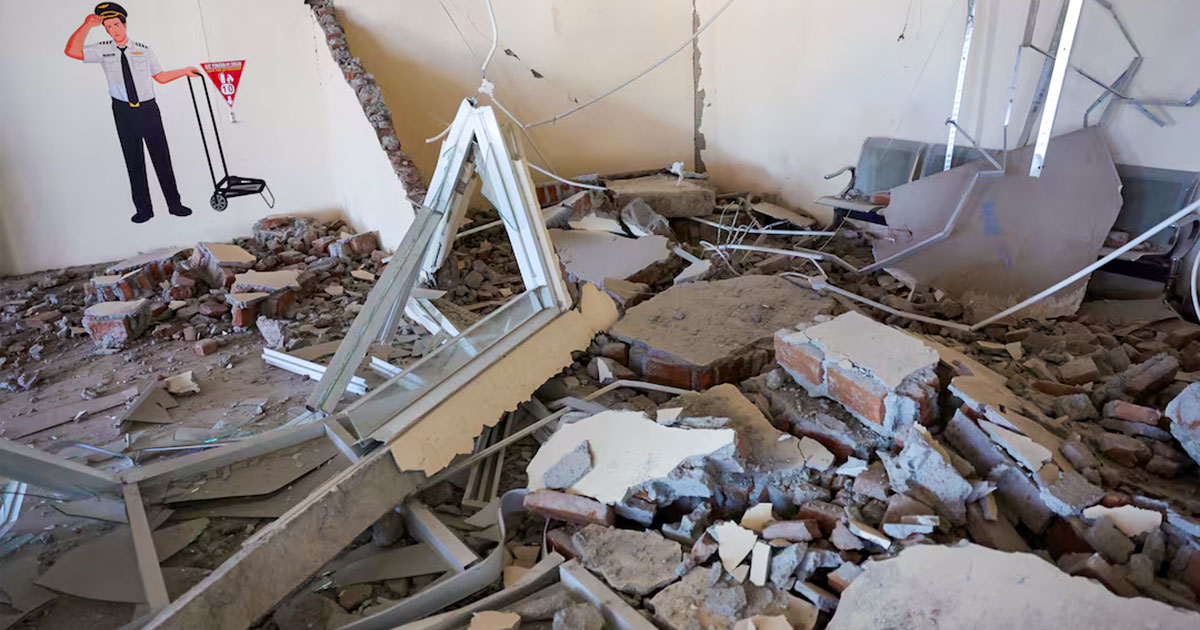
An earthquake Indonesia with a magnitude of 7.7 struck the east of the country, leaving at least 51 dead and hundreds injured, and prompting the evacuation of about 5,000 people, in one of the bloodiest earthquakes the country has witnessed in recent years.
The human losses quickly turned into a broader crisis that affected infrastructure and services, with roads cut off by landslides, gas stations disrupted due to power outages, and some injured people being forced to receive treatment in tents outside hospitals. Thus, the Indonesia earthquake brought to the fore a question that is repeated after every major disaster: to what extent can infrastructure withstand when roads and services stop at the moment?itself?
An earthquake measuring 7.7 degrees
The earthquake occurred on Saturday morning in East Nusa Tenggara province, killing at least 51 people, with 36 others seriously injured and 77 with minor injuries.
The main tremor was followed by about 341 aftershocks, which kept residents in a constant state of fear and prompted many to move away from buildings even after the first hours of the disaster. This earthquake is the deadliest in Indonesia since the West Java earthquake in 2022, which claimed hundreds of lives.

Thousands outside homes
In the Sika region, more than 3,300 people had to evacuate their homes themselves or take refuge in a sports arena, while others slept in temporary tents or in open areas for fear of buildings collapsing withAftershocks continue.
A 63-year-old resident said that he left his home with his family without being able to take almost anything, after the earthquake raised fears of rising water levels.
A local official also indicated that most of Sika’s residents did not dare to stay inside their homes, so they took refuge in balconies and tents throughout the night.
These scenes illustrate how the Indonesian earthquake quickly transforms from a geological event into a humanitarian crisis, when residents lose the feeling of safety inside their homes and staying in open spaces becomes the least dangerous option.

Roads isolate those affected
One of the most serious repercussions of the earthquake was the collapse of parts of roads due to landslides, which hindered rescue teams from reaching some areas.Affected areas.
In the city of Maumere, search and rescue teams were able to reach areas that had been isolated by avalanches, while there was no immediate tally of missing people, with reports of people trapped under the rubble.
The damaged roads also increased the difficulty of transporting the injured, aid, and equipment, highlighting the importance of infrastructure capable of continuing to operate during disasters, and not just under normal circumstances.
This intersects with the ninth goal of the Sustainable Development Goals (SDGs) on industry, innovation and infrastructure, especially target 9.1 related to developing reliable and resilient infrastructure, ensuring continued access to basic services even in times of crisis.

ServicesRescue under pressure
The effects of the Indonesia earthquake extended to basic services and infrastructure, after more than 1,300 homes were damaged, and some of the injured received treatment inside a tent set up outside a hospital in the city of Maumere, in an indication of the extent of the pressure to which health facilities were exposed.
20 gas stations were also out of service as a result of the power outage, adding a new challenge to rescue, supply and transportation operations. These developments illustrate how the disruption of one service can double the pressure on the rest of the system, especially with blocked roads and difficulty reaching some areas.
To deal with the repercussions of the disaster, more than 3,500 army and police personnel were deployed to support search and rescue operations and secure the affected areas, while the teams continued their work amid about 341 aftershocks and in areas that witnessed landslides and destroyed homes.
In this context, the East Nusa Tenggara government is considering declaring a state of emergency in the province, allowing for the mobilization of resources and financing and accelerating the response. This intersects with the eleventh goal of the Sustainable Development Goals (SDGs) on sustainable cities and communities, specifically target 11.5, which aims to reduce deaths and losses resulting from disasters and enhance the ability of communities to cope with them.

A recurring danger
The affected area has a history of strong earthquakes; In 1992, it witnessed a 7.5-magnitude earthquake that caused widespread destruction.
Indonesia, with a population of about 290 million people, is located on what is known as the “Ring of Fire” in the Pacific Ocean, which is a region of high seismic activity as a result of the meeting of tectonic plates, which makes earthquakesVolcanic eruptions are a frequent part of the natural hazards facing the country.
The recurrence of the Indonesia earthquake and other similar disasters reveals that the extent of the danger is shaped by the strength of the earthquake, in addition to the ability of roads, electricity, hospitals, and housing to withstand the shock and continue operating after it.
The Earth Guards Foundation notes that strengthening disaster preparedness requires long-term investments in resilient infrastructure, rapid response systems, and urban planning that takes into account the nature of high-risk areas.
In such disasters, the difference between an area that recovers quickly and another where the crisis extends may lie in the ability of roads and basic services to continue operating when they are most needed.


