

COP31 presents the first draft of the final agreement amid disagreements over fossil fuels

COP31 presents the first draft of the final agreement amid disagreements over fossil fuels
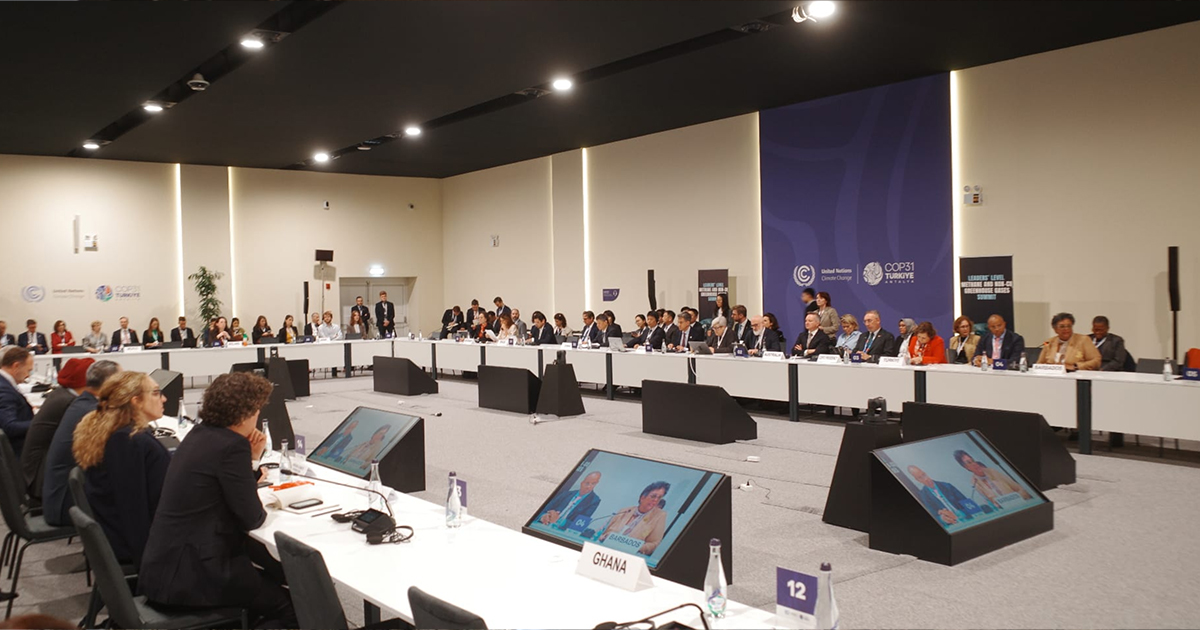
Enter the climate conference COP31 A decisive stage of the negotiations, after the publication of the first draft of the final agreement on Monday, November 16, 2026, in the Turkish city of Antalya, amid disagreements between countries regarding the future of fossil fuels, financing climate adaptation, and the goals of transitioning to electricity.
The draft consists of 18 pages, and aims to bring closer the views of about 200 countries participating in the conference, before the scheduled date for reaching a final agreement on Friday, November 20, although the experiences of previous climate conferences indicate the possibility of extending negotiations after this date.
These developments follow a year that saw wildfires in Europe and deadly permafrost melt in Nepal, while climate efforts face increasing pressure from international conflicts and rising costs of living.
COP31 opens controversial files
Australian Climate and Energy Minister Chris Bowen, who is leading negotiations under a co-chairmanship arrangement with Türkiye, acknowledged that the first draft included provisions that some countries had already rejected.
Bowen explained during a press conference that limiting it to the agreed-upon topics would lead to a short document, stressing the need to discuss the issues on which the parties differ so that their positions converge during the remaining days.

This statement reflects the nature of the ongoing negotiations. The draft is not a final version awaiting approval, but rather a document that brings together multiple options that can be modified or deleted according to the results of the discussions.
Cosima Castle, head of climate diplomacy and geopolitics at… Environmental Research Center "E3G", The draft is relatively long because it places the various files before the countries to negotiate possible concessions, and I considered that the real test will be in the ability of the final agreement to retain the basic elements after the end of the bargaining.
Fossil fuels between transition and phase-out
The future of fossil fuels represents one of the most sensitive issues in negotiations COP31As the main source of greenhouse gas emissions globally.
The draft includes two different wordings: The first is based on an expression agreed upon in 2023, calling for a complete transition away from fossil fuels, while the second, more ambitious, calls for their gradual phase-out.
The difference between the two expressions carries an important meaning. The first indicates a change in the direction of the use of energy sources, while the second offers a clearer path to gradually ending dependence on them.

However, the inclusion of the two formulations does not guarantee that either of them will remain in the final agreement, as disagreements may lead to amending the text or deleting references related to fossil fuels. Bowen stressed that the final formulation will differ from the current draft, but stressed the importance of keeping the issue up for discussion.
The sensitivity of the issue increases with UN warnings issued last October, indicating that the world is already heading towards exceeding the warming level of 1.5 degrees Celsius, which international efforts seek to limit exceeding in order to reduce the most dangerous effects of climate change.
Adaptation financing tests countries' consensus
The differences are not limited to energy sources only, as they extend to the amount of financial support that rich countries should provide to help lower-income countries cope with the effects of climate change.
Adaptation financing is a key element in the negotiations, as countries vulnerable to climate risks need resources to develop infrastructure, protect agricultural activities, and prepare for disasters and extreme weather events.
These needs intersect with Target 13.1 of SDG 13 on climate action, which calls for strengthening resilience and adaptation to climate-related hazards and natural disasters.

However, an agreed-upon financial amount to finance adaptation has not yet been determined, which confirms that the size of the commitments and the mechanisms for providing them are still topics up for negotiation.
The importance of these discussions is that delayed funding may affect the ability of developing countries to implement protection plans, even as their need for urgent action increases.
Electricity target faces compatibility test
The differences extended to a proposal submitted by Türkiye to raise the electricity share to35% of global final energy consumption by 2035Within the path of expanding reliance on electrical technologies.
The proposal aims to promote transformation in sectors that currently depend on the direct use of fuel, but it did not achieve complete agreement among the countries participating in the negotiations.

This comes despite the initiatives supporting the electrical transformation during the conference. As I reviewed The Earth Guards Foundation In her report COP31 inaugurates the era of electricity.. 180 companies support the 2035 goal Supporting more than 180 companies to expand reliance on electricity, while the inclusion of the target in the final agreement is still a matter of negotiation between governments. This discrepancy illustrates the difference between voluntary initiatives announced by companies and political commitments that require the agreement of states.
AI pledge attracts nine countries
Beyond the text of the agreement, Türkiye launched a voluntary pledge to encourage the development and use of artificial intelligence more sustainably, while benefiting from its applications in confronting climate change.
The initiative comes amid concerns about data centers' high consumption of electricity and water, and increased pressure on land and mineral resources with the rapid expansion of this technology.

The conference president confirmedCOP31, Murat Kurum, stressed the need for the industrial and technological sector to become part of climate solutions, while ensuring that artificial intelligence is developed and operated responsibly.
But the pledge only attracted Nine countries Of the approximately 200 countries represented in the conference, which reflects the limited initial participation in the initiative.
The climate agreement is facing an implementation test
As the scheduled closing date approaches COP31The challenge remains in narrowing the gaps between countries' positions, and arriving at a text that balances reducing emissions and providing the necessary financing to developing countries.
This is where it stands out Target 17.3 of Goal 17 of the Sustainable Development Goals on partnerships to achieve the Goals, which calls for the mobilization of additional financial resources from multiple sources for the benefit of developing countries, in a way that supports the transformation of international commitments into implementable measures.

With that in mind, continue The Earth Guards Foundation She participated in the conference through her official delegation in Antalya, and followed up on the developments in climate negotiations and initiatives, while emphasizing the importance of international agreements reflecting the needs of societies and their ability to confront environmental changes.
Between a draft containing rejected items, and disagreements over fossil fuels and financing, the final days of the conference remain a test of the ability of countries to overcome their differences. So success COP31 It will not be determined merely by issuing a final agreement, but rather by the content of the obligations that will remain in it and the possibility of implementing them on the ground.


