

The Minister of Electricity follows the latest developments in the electrical interconnection project between Egypt and Europe
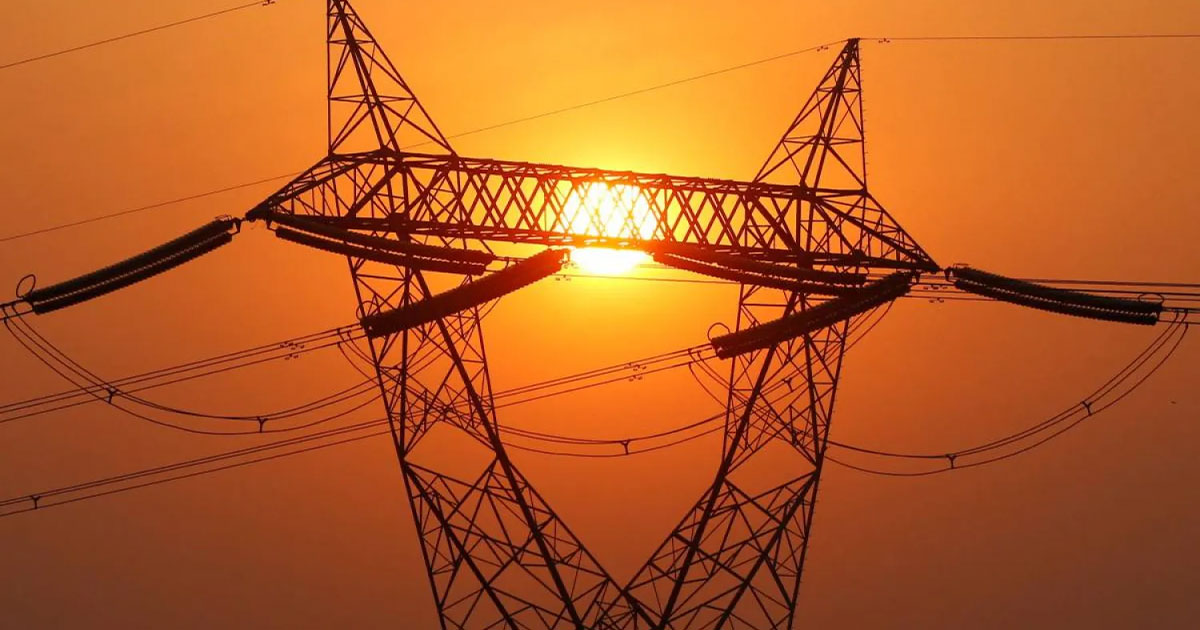

The Minister of Electricity follows up on the latest developments in the electrical interconnection project between Egypt and Europe
Egypt is moving at an accelerated pace towards reformulating its position in the regional energy system, by expanding the scope of electrical interconnection projects and enhancing integration with the networks of neighboring countries, in a way that supports the construction of a system more capable of exchanging energy and taking advantage of the available potential, and opens new horizons for employing the geographical location, technical capabilities and infrastructure in serving the goals of economic development.
In this context, electrical interconnection projects are gaining increasing importance as one of the tools through which it can move from the concept of securing energy needs to maximizing returns from its resources and expanding its presence in international energy markets.
These moves coincide with a growing trend towards increasing reliance on renewable energy sources, reducing emissions, and diversifying the energy mix, which enhances Egypt’s ability to benefit from its natural resources in producing clean, exportable energy, and supports the competitiveness of the energy sector and its attractiveness for investments.
This trend is consistent with the seventh goal of the Sustainable Development Goals (SDGs), which is concerned with ensuring everyone’s access to clean, affordable energy, through expanding the use of renewable energy sources, diversifying the energy mix, and reducing dependence on fossil fuels.
Hence, Egypt has an opportunity to strengthen its role as a regional hub for energy production and transmission between the three continents of the world “Africa, Asia and Europe”, combiningelectricity production and its transmission and exchange through interconnected networks extending to regional and European markets, thus consolidating its position in the ongoing transformations in the global energy system.
Electrical connection enhances Egypt’s regional position
In this context, Dr. Mahmoud Esmat, Minister of Electricity and Renewable Energy, held a meeting to follow up on business developments and updates on the implementation of final studies for the electrical interconnection project between Egypt and Europe via Italy, using submarine cables, within the framework of the work strategy to enhance efforts to export clean energy to European markets.
The project comes in the context of the state’s vision to expand electrical interconnection projects and enhance integration with the networks of neighboring countries, which supports Egypt’s direction towards consolidating its regional position in the field of energy production, transmission and exchange between Africa, Asia and Europe, and benefiting from its potential in the field of renewable energy to expand the scope of exporting clean electricity to foreign markets.

View the implementation steps of the project
Dr. Mahmoud Esmat also discussed during the meeting, in the presence of Counselor/Amjad Saeed, the Ministry’s Legal Advisor, the development of work at the level of implementing studies in light of the cooperation and partnership agreement that was signed with the Egyptian Electricity Transmission Company, and listened to a presentation on the executive steps of the project, and the proposed points for lowering the submarine cable.
The meeting touched on the timetable for completing the implementation of the project with a capacity of 3,000 megawatts, and taking the necessary measures to begin implementation within the framework of the national energy strategy and enhancing Egypt’s position in the energy transfer and exchange sector, in addition to holding a discussion on the future of renewable energies, maximizing returns and benefiting from natural resources.
The development of electrical interconnection projects is linked to the ninth goal of the Sustainable Development Goals (SDGs), concerned with industry, innovation and infrastructure, as these projects represent investment in advanced energy infrastructure and support for the technical and technological capabilities necessary to enhance the efficiency of electricity transmission and exchange across borders.
Management and exploitation of renewable energy sources
In a statement by Dr. Mahmoud Esmat, he said that Egypt has a strategic direction to support electrical interconnection projects and integration with the networks of neighboring countries within the framework of a special strategy for electrical interconnection with the European electrical network so that Egypt becomes a bridge for transferring and exchanging electricity between the continents of the world, by working to maximize returns and good management and exploitation of renewable energy sources.
Explaining the great importance that the electricity and renewable energy sector attaches to spreading the uses of renewable energies, reducing carbon emissions, and diversifying energy sources, pointing to the state’s strategy that aims to increase the contribution of renewable energy to the electrical energy mix, and reduce dependence on fossil fuels, adding that the private sector is a major partner in renewable energy projects, and the project reflects the growing confidence in Egypt’s technical and human capabilities, and the attractive investment environment.
This is also consistent with the thirteenth goal of the Sustainable Development Goals (SDGs), related to climate action, by reducing emissions and promoting the transition towards an energy system more dependent on clean sources, in a way that supports efforts to confront climate change and reduce its effects.

In conclusion, the electrical interconnection projects reveal a broader shift in the way Egypt manages energy resources and its position within the regional energy system. The importance of these projects extends to building a sustainable capacity to produce and exchange clean energy and directing it to the markets that need it most. With the growing reliance on renewable energy sources, electrical interconnection becomes a natural extension of efforts to maximize the use of natural resources, technical and human capabilities, and transform Egypt’s geographical location into an economic advantage that supports its presence in international energy markets.
The Earth Guards Foundation believes that the interconnection project with Europe via Italy gains its significance from being part of a path that aims to redefine Egypt’s role from a consumer and producer of energy to a partner in a regional clean energy exchange system, based on interconnected infrastructure and growing capabilities in the field of renewable energies. Every step completed on this path brings Egypt closer to building a more integrated model that combines electricity production, transmission and export, maximizes economic returns from its resources, and enhances the attractiveness of the energy sector for investment, thus supporting the competitiveness of the Egyptian economy and placing clean energy at the heart of the transition towards sustainable development and Egypt’s Vision 2030.


