

Can Sustainable Development Goals Be Achieved Without Animal Welfare?
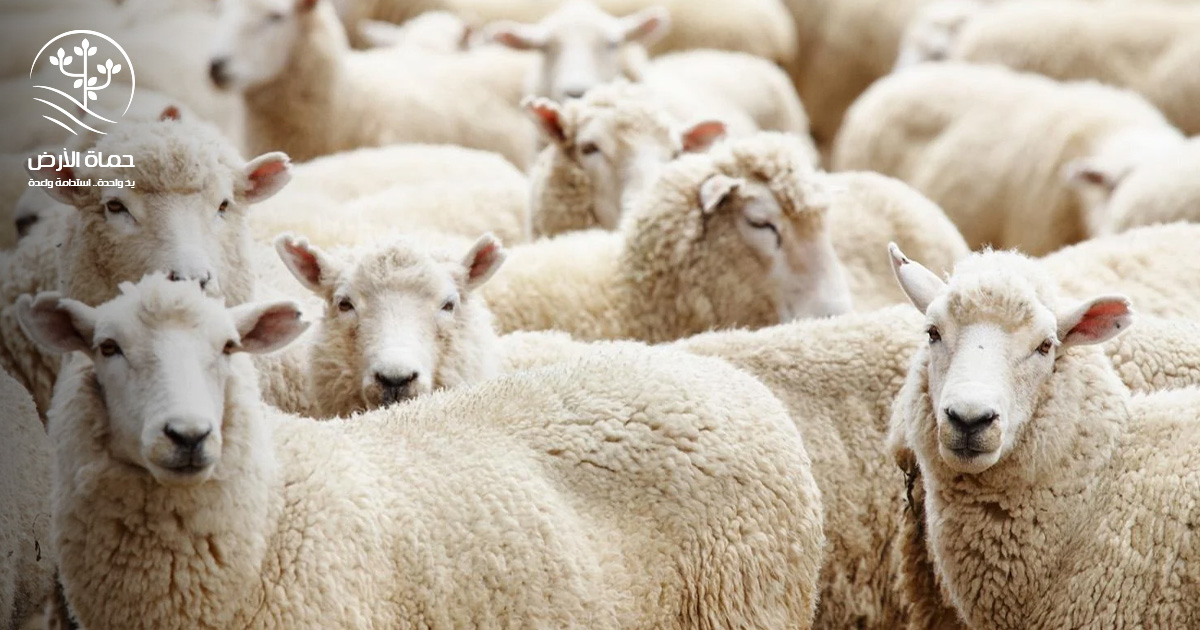
Are the Sustainable Development Goals (SDGs) achieved withoutAnimal welfare?
When we talk about a sustainable future, images of clean air, renewable energy, and recycling often come to mind, but we rarely stop at one of the most important neglected components of this future: animal care, especially since we live in an era in which the challenges of sustainable development are accelerating; Therefore, animals have become extremely suffering, because their value within the sustainability system has been ignored, even though they are deeply connected to society, the economy, and the environment.
Therefore, theThe Earth Guards Foundationwill address in this article the hidden and clear links between animal welfare and the Sustainable Development Goals (SDGs), answering the question: How can weIs improving the lives of animals in the wild and on farms a social, economic and environmental lever that contributes to building a more just and stable world? So keep reading.
Who protects animals?
Protecting animals is no longer just a moral issue, but has become an environmental, health and societal necessity that affects human beings’ present and future. While responsibilities are distributed among individuals, institutions and governments, the real challenge lies in transforming animal welfare into an integral part of public policies and comprehensive development practices.

To sum it up, the responsibility for protecting animals falls on three main parties: She is:
The Audience
Animals can be protected by reducing the demand for related productsExploitation of animals, such as the fur and ivory trade, as well as products tested on animals, and meat coming from farms that do not adhere to animal welfare standards; When consumers reduce their consumption of these products or choose ethical and sustainable alternatives, they are sending a clear message to markets: animal welfare is not a secondary option, but a priority.
Companies
Also, enhancing the role of animals – in accordance with sustainability standards – is achieved by improving animal welfare efforts in supply chains, as companies have a fundamental role in protecting animals in sectors such as the food, fashion and beauty sectors. Integrating these standards reduces animal suffering, enhances the credibility of brands, and contributes to achieving social, economic and environmental sustainability.
Governments
As for governments, they still have a major role. It develops policies and implements laws and regulations that improve the situation of wild and domesticated animals.
But here remains an interesting question: It is: What are the dimensions on which efforts to promote the welfare of animals and achieve tangible progress in the field of their care and kindness can be based? The answer lies in a number of axes, which we shed light on in the following lines.

Sustainable agriculture is not complete withoutAnimal care
In 1984, researcher Gibbs formulated the first comprehensive definition of sustainable agriculture, and included in it the “humanity” element, in addition to the economic andand environmental, but this element – the human dimension – was deliberately omitted from subsequent definitions. This reflected a clear deviation in the way we deal with agricultural sustainability. Therefore, this amounts to neglecting the comprehensive meaning of sustainable development and ways to achieve its seventeen goals.
This exclusion was not innocent, but rather led to a dangerous separation between the concept of sustainable agriculture and the reality of animal suffering in intensive production systems, where animals have become means of production rather than living beings with needs and feelings. Which emptied the concepts of “sustainability” of their moral or humanitarian dimension.

On the other hand, it cannot be denied thatindustrial agriculture practices – including those that neglect animal welfare – are a direct cause of environmental degradation, from deforestation, air and water pollution, to the loss of diversity.biological; Therefore,Earth Guards stresses the need to reintegrate animal welfare into the core definition of sustainable agriculture; So that the balance can be restored between production and conscience, between profit and compassion, and between man and his environment.
Biodiversity
Protecting biodiversity is closely linked to the welfare of animals in natural ecosystems; Because wild organisms are essential pillars in maintaining the balance of ecosystems and providing vital services, such as pollinating plants and purifying air and water.
When the rights of wild animals are violated or their habitats are destroyed, this balance collapses, and a series of negative impacts begin that eventually reach humans themselves. Here the importance of sustainable land management practices that take into account the needs of animals, such as:Periodic grazing and restoration of natural habitats, considering that these practices are the first line of defense against everything that could threaten biodiversity.
Not only that, but adopting compassionate practices also reduces pressures on natural habitats and reduces the risk of species extinction, especially with the worsening effects of climate change and unjust agricultural expansion. This confirms that animal welfare is a moral value and an effective environmental tool in the face of accelerating climate challenges.
Economic Dimension
Investing in animal care and welfare may be viewed as an economic burden, but modern research and practice prove just the opposite; Improving animal breeding environments and providing water, food, and health care are positive reasons that contribute to increasing productivity and reducing animal mortality rates. Making compassionate practicesA means to enhance economic efficiency.
According to the World Organization for Animal Health (WOAH), improving veterinary services and strengthening animal health management could raise global animal production by 20% without the need for excessive industrialization. This equation opens the door to supporting small producers in more sustainable and equitable ways.
Consumers, on the other hand, are increasingly aware of unethical practices in supply chains, which is prompting a boycott of products that ignore animal welfare. This ethical shift has become a market standard, where companies that commit to animal welfare have a strong competitive advantage.
In light of the spread of animal diseases we are witnessing, we are certain that the sustainability of food systems cannot be separated from the health of animals and the conditions of their rearing. Which makes animal kindness an indispensable elementAbout it to build healthy and safe food systems.
Animal WelfareSocial Safety
لا تقتصر آثار رفاهية الحيوان على البيئات الطبيعية أو الأسواق، بل تمتد إلى نسيج المجتمع وصحة أفراده النفسية والجسدية؛ فقد أظهرت تقارير من منظمة الصحة العالمية أنَّ التعامل الرحيم مع الحيوانات يزرع قيم التعاطف والاحترام، وهذا ينعكس انعكاسًا إيجابيًّا على الصحة النفسية للعمال في القطاعات الزراعية والغذائية.
كما أنَّ تعزيز أنظمة الأمن الغذائي يبدأ من المزرعة، حيث تسهم صحة الحيوانات في ضمان جودة وسلامة الغذاء على طول سلاسل التوريد، وهذا يقلل من أخطار تفشي الأمراض، ويضمن حق الجميع في غذاء آمن وصحي؛ This benefits all members of society.
Towards international recognition of welfareAnimal
Despite all of the above, animal welfare has not yet been given its true place on the sustainable development agenda. In 2019, the United Nations Sustainable Development Report indicated that this file is still “forgotten” within the 2030 goals.
وقبل ذلك -في عام 2016- تطرقت لجنة الأمن الغذائي العالمية إلى أهمية تعزيز رفاه الحيوان، مستندةً في هذا إلى مبادئ الحريات الخمس، التي وضعتها المنظمة العالمية لصحة الحيوان، التي تشمل: الحرية من الجوع والعطش، ومن الخوف، ومن الألم، ومن المرض، ومن القيود على السلوك الطبيعي.
Then in 2021, seven countries from Africa and South Asia submitted a proposal to the UNEP General Assembly, calling for the integration of animal welfare into efforts to conserve biodiversity and mitigate climate change.
These steps – although symbolic so far – reflect a growing global awakening that realizes that the sustainability of our planet is not only achieved through technical measures, but also requires biological justice that respects the right of animals to life.
Global initiatives in the right direction
AmongLeading InitiativesThe draft launched byGlobal Animal Welfare (an independent organization concerned with the health and protection of animals through legal frameworks) in 2018 is a preliminary draft of a UN treaty aimed at protecting the health and welfare of animals, calling for a global commitment. With more stringent legislation, with attention to cooperation between countries; In order to end the images of animal extinction and unnecessary suffering in their natural environments.
The Global Animal Welfare Law Organization adopts the concepts of “one health” and “one well-being”, which are two concepts that link human, animal and environmental health, based on the fact that the environment, animals and humans are one integrated system whose elements cannot be separated from each other.

Such an initiative signals a gradual shift in worldview, from regarding animals as a mere “resource” to recognizing them as beings with rights; Which enhances the opportunities for building more just and equitable sustainable systems. The success of these efforts requires a truly global partnership that brings together governments, the private sector and civil society, towards shaping a future in which vulnerable beings are not excluded, but rather celebrated as an integral part of sustaining life on Earth.
In conclusion, we are assured that the Sustainable Development Goals (SDGs) cannot be achieved in isolationAbout animal welfare; Just as a person does not live in a vacuum, likewise true development cannot be achieved in an environment in which any living being is marginalized. Therefore,Earth Guardsin the previous lines revealed the relationship between animal welfare and the Sustainable Development Goals (SDGs).
This is because animal welfare is not only an ethical issue, but also a pillar that touches on food security, biodiversity, and human health. Ignoring any animal right undermines social balance, economic growth, and environmental diversity, and empties sustainability of its content.


