

Climate Adaptation Starts in Gardens: How Do Green Spaces Protect South African Cities?

Climate adaptation begins with gardens.. How do green spaces protect South African cities?
The pressures that climate change places on cities are increasing, especially in areas experiencing rapid population and urban growth. And in the cities of Africa South SaharaHeat waves, heavy rains, and floods interfere with migration from rural areas and lack of services; Which explains how the issue Climate adaptation Related to the method of planning neighborhoods and managing public spaces.
When facing disasters, cities rely on roads, water networks, and flood barriers, which are elements that represent the physical infrastructure, but they also depend on what is known as social infrastructure, which includes:
- Public places
- Community relations
- Local networks
Parks, squares, and community gardens also fall within this structure. Because it provides more than a place to rest, as it helps reduce temperatures, gives residents shaded areas during heat waves, supports the absorption of rainwater, and also creates spaces for communication and provision of services to the groups most in need.
From this angle, a study conducted by a team of urban planners and architects in the city of Tshwane, South Africa, reveals that the success of climate adaptation within cities is linked to the ability of green spaces to combine environmental function and social role, and with the participation of residents in their creation, management and development.
Green spaces promote climate adaptation
The study explored three different public spaces in Tshwane, South Africa's fourth most populous city, facing forecasts of rising temperatures and increasing drought, coupled with urban pressures resulting from population movement from rural areas.
The study showed that parks and public squares help neighborhoods cope with heat and floods, but they also play roles related to food security, mental health, reintegration of marginalized groups, and strengthening ties between residents.
This role is linked to Goal 11 of the Sustainable Development Goals, concerned with sustainable cities and communities, specifically Goal 11.7 on providing safe and inclusive green and public spaces for all. Gardens that provide shade, drinking water, and gathering places enhance the resilience of neighborhoods, and go beyond their recreational or beautification role.
Climate adaptation is also related to the thirteenth goal, concerned with climate action, especially goal 13.1 on enhancing the ability to confront climate risks and disasters, which plants work to achieve by reducing heat and absorbing rainwater.

Three experiences that redefine public parks
The three cases examined in the study reveal that green spaces offer changing practical models; Because each area was able to respond to different local needs, and also achieved climate and social benefits to varying degrees.
A food garden grows on top of a garbage dump
The first case is “Moga Jabedi”, a neglected site and an illegal waste dump, before it was rehabilitated and turned into a food garden and therapeutic space. In 2020, urban agriculture work began on the site, and the garden began producing a variety of vegetables, fruits, and herbs.
The researchers’ visits and interviews with those in charge of the place showed that the garden supports food security and enhances the process of social reintegration. Because she was providing fresh produce to a transitional shelter serving people who were homeless and recovering from drug addiction.
The park also hosted psychological and social services that helped them return and integrate into society. At the same time, the dense vegetation and water ponds contributed to cooling the surrounding area. Thus, the site brings together Climate adaptation Supporting food, health and social integration.
Clearly, food production in the garden – for example – is related to the second goal of the Sustainable Development Goals, concerned with ending hunger, specifically target 2.1, to ensure everyone’s access to safe and adequate food.
A small park serves pedestrians daily
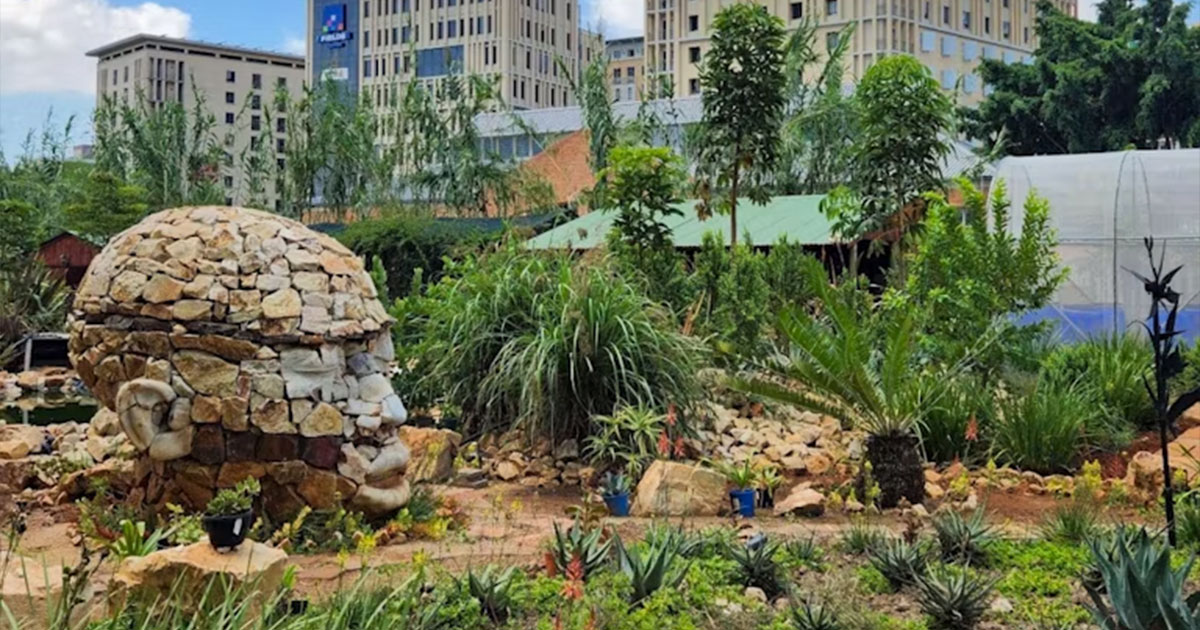
McLennioc Commons is a small community park created on a central road that residents pass by to and from work. It includes a drinking fountain, a gathering space, a distinctive sculpture, and a garden planted with local species.
The importance of this model is that it depends on choosing a site that people actually use; It provided walkers with a place to rest, drinking water, and a meeting space within their daily route. This shows that climate adaptation can start from limited interventions if they are designed according to the movement of the population and their needs.
A historical park that lacks sufficient participation
As for the third case, it isBurgers Park"; The first botanical garden in the municipality of Tshwane. It was established in 1874. It includes trees and historical buildings. It is still managed by the municipality and provides refuge for a large number of users, including homeless people.
The park has witnessed many transformations, especially as it hosts some social support services. However, the study found that the local community’s participation in managing the place remained limited, and that support programs did not reach the level they could achieve.
This case reveals that the presence of trees, paths, and historical design alone does not guarantee the success of public space; This is because a park provides environmental benefits, but its ability to support social climate adaptation is less when residents are not involved in defining its functions or managing its programmes.
Residents make a place successful
From the above, the study concluded that the most effective public spaces are those created through effective communication with local communities. The way decisions are made about the place, the parties involved, and the activities it will host determines its success as much as the design.
Participation helps residents understand the history and needs of the region, increases their sense of belonging and responsibility, and when individuals feel that the place represents them, they become more willing to care for it, and are able to support each other during heat waves and floods, as well as when social crises occur.
The study also highlighted the importance of local leaders, who are able to bring the community together around a common vision and turn it into an actual project. They therefore need flexibility, a willingness to learn, and to adjust plans when circumstances change or new needs arise.
Lessons for rapidly growing African cities
The Tshwane experience offers important lessons for cities facing rising temperatures, floods, and population pressure with limited financial resources. Building resilience may start from rehabilitating a neglected site or planting a small area within a crowded neighborhood.
The success of these initiatives requires involving residents from the planning stage, providing ongoing resources for maintenance, and ensuring access to the place for those most in need. It should also avoid developing public spaces in a way that alienates current users or deprives them of services.

In conclusion, the Climate adaptation It emerges here as a process of reshaping daily life within cities; Because green space planted today may mitigate climate risk tomorrow. The three cases also reveal a deeper truth: infrastructure is made resilient by the way people use, manage and maintain it.
And so it goes The Earth Guards Foundation From reading, you see that the future of cities that are most exposed to climate risks requires a change in the way of looking at green spaces, and this is through improving the visual image of the city, and building urban assets that perform overlapping functions in climate, health, food, and society.


