Supporting water infrastructure.. The Ministry of Irrigation begins the work of developing barrages on the Nile River
The development of barrages on the Nile River as part of the rehabilitation work and raising the efficiency of water infrastructure is one of the basic foundations for the sustainability of natural resources and supporting the ability of communities to meet their water needs efficiently and safely. With the increasing pressures associated with population growth, climate change, and the growing demand for water, comes the role of rational management of this vital resource, which is linked to the readiness of the facilities and networks responsible for storing, transporting, distributing, and regulating its use.
Hence, the importance of continuing investment in maintaining and rehabilitating this structure and raising its efficiency emerges, in a way that maintains the efficiency of its operation and limits the risks of a decline in its ability to perform its vital functions.
The effect extendsDeveloping the barrages into sectors directly related to social, economic and environmental development, most notably agriculture and food security, in addition to its role in enhancing water use efficiency, reducing waste, and improving the equitable distribution of resources.
Climate changes and increasing pressures on water resources also impose a more proactive approach in managing existing facilities, so that continuous monitoring and the necessary rehabilitation and maintenance work become part of an integrated vision to protect resources and enhance the resilience of the water system and its ability to continue to meet future needs.
Follow up on the technical condition of water facilities
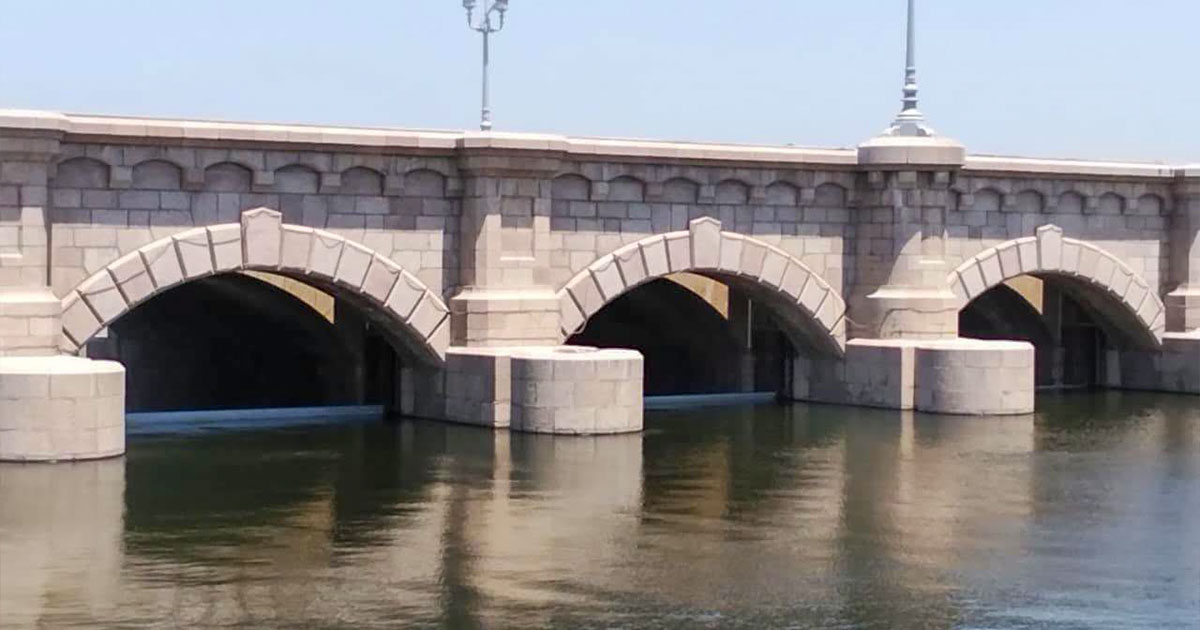
In this context, Dr. Hani Sweilem, Minister of Water Resources and Irrigation, received a report from Ms. Engineer Abeer Thabet, Head of the Reservoirs and Major Bridges Sector, regarding the work being implemented.In the third phase of the “Edfina Barrage Rehabilitation Project”, located on the Nile River, Rosetta Branch, in order to enhance efforts to develop the barrages on the Nile River.
Dr. Sweilem said: “Maintenance and rehabilitation work, and raising the efficiency of operating water facilities across the Republic, have a vital role in raising the efficiency of the water system, and improving the process of distributing water to the main and subsidiary canals, which contributes to improving irrigation efficiency in general, achieving equitable water distribution, and having it reach the ends in the required quantities and at the appropriate times, which is considered one of the most prominent goals of the second generation of the water system 2.0.”
These efforts come in line with the fifth goal of Egypt’s Vision 2030, which calls for preserving the environment through the rational use of resources, confronting the effects of climate change, and enhancing the ability of ecosystems to adapt.Confronting natural risks and disasters, in addition to adopting sustainable consumption and production patterns, as well as the sixth goal of the Sustainable Development Goals (SDGs), related to clean water and sanitation, by supporting the sustainable management of water resources and improving the efficiency of their use and distribution, in a way that enhances the water system’s ability to meet various needs efficiently and sustainably.
Developing the Edfina Barrage… enhancing operational efficiency
The report reviewed the “third phase” work being implemented, which was determined according to the outcomes of a comprehensive advisory study of all elements of the bridge and lock. The works include drying and disinfecting the lock basin, maintaining and rehabilitating the lock and gate gates, performing mechanical maintenance on their operating devices, and filling the vertical joints on the facades.Architecture of the bridge, treatment of horizontal cracks in the lock, maintenance of the lock drying boxes, in addition to rehabilitating the circulation system of the metal bridge above the lock.
Dr. Sweilem directed the need to fully adhere to the technical and standard specifications during implementation work, with full commitment to the specified time programs, to ensure achieving the desired benefit from these works in accordance with the established plan.
Rehabilitation of bridges through successive stages
The third phase works come as part of ongoing efforts to rehabilitate the Edfina Barrage and maintain its operational efficiency, as a number of development and maintenance works were previously carried out in successive phases. The Edfina Barrage is considered one of the vital water facilities, as it includes 46 openings, each opening 8 meters wide, topped by a road 9 meters wide, in addition to a second-class lock 12 meters wide and 80 meters long.meters.
The first phase included maintaining 30 overhead gates, treating the bridge’s bridge joints, and raising the efficiency of the road above the bridge, followed by preparing a specialized hydraulic study to determine the optimal system for operating the bridge gates, which recommended implementing the second phase to rehabilitate a number of gates and cranes.
The second phase also included maintenance of 16 overhead gates on the bridge, in addition to two spare overhead gates, maintenance of winches for the bridge and diesel engines, supplying and installing new galvanized tracks for the bridge, in addition to sanding and painting work for the front wheel covers, maintenance of lighting poles, implementing a new asphalt layer for the bridge bridge, and strengthening and rehabilitating the rear walkway.
The rehabilitation work of the Edfina Barrage is consistent with the ninth goal of the Sustainable Development Goals (SDGs), related to industry, innovation and infrastructure, throughDeveloping infrastructure and raising the efficiency of water facilities, thus enhancing their ability to perform their functions efficiently and supporting the sustainability of their operation in the long term.
In conclusion, the rehabilitation work of water facilities has value beyond the limits of technical maintenance, because it is linked to the system’s ability to continue performing its functions in the face of increasing pressures on water resources. Maintaining the efficiency of barrages and associated facilities means supporting the ability of water to reach its destination in the required quantities and timings, and enhancing the efficiency of its use in sectors related to food security and social and economic development. Therefore, investing in water infrastructure represents an investment in resource resilience and the ability of communities to continue meeting their needs, especially in light of climate shifts that make rational water management increasingly necessary.
And from perspective The Earth Guards Foundation Sustaining resources begins with building systems capable of confronting them and continuing to perform their functions efficiently. In this context, rehabilitating water facilities and maintaining their readiness becomes part of a broader vision for sustainable development, in which infrastructure efficiency is integrated with the rational use of resources and environmental protection, thus enhancing the water system’s ability to face the future and preserving the right of future generations to more efficient and sustainable natural resources.