

The Colombia earthquake leaves 254 dead and exposes the fragility of infrastructure in the face of disasters
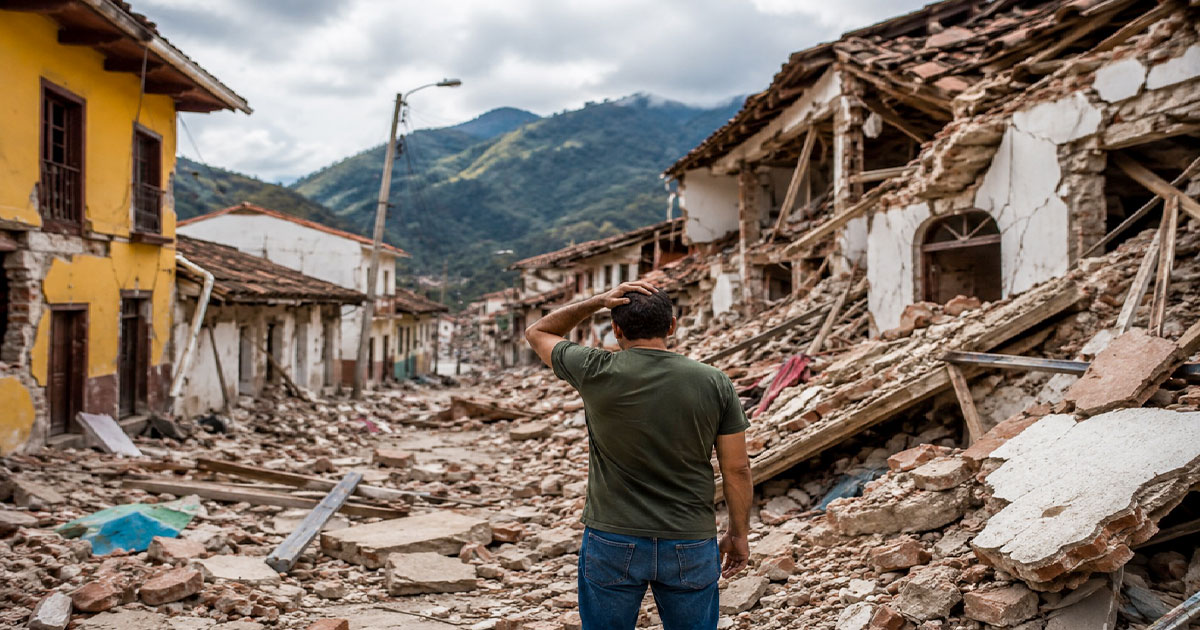

Colombia earthquake leaves 254 dead and exposes the fragility of infrastructure in the face of disasters
Rescue teams have asked people to remain silent amid piles of rubble in western Colombia, hoping to catch the voice of a survivor still trapped under the rubble. Hours after the Colombia earthquake, which reached a magnitude of 7.4, entire neighborhoods were transformed into expanses of rubble, while rescuers worked with cranes, excavators, and their hands, and volunteers formed human chains to move the remains of the debris and search for survivors.
By Tuesday morning, August 10, the death toll had risen to 254 people, including 101 in Pereira and 95 in Cali, the country’s third largest city. It is the most devastating earthquake to hit Colombia this century, after it struck the heart of the coffee-growing region and caused damage to homesSchools, health centers and rural infrastructure, while the full extent of the losses remained unclear due to weak communications in some of the most affected areas.
Silence under the rubble
Search operations began in the early hours, and continued throughout the night between tilted or completely collapsed buildings. In Pereira, Rosa Gonzalez recounted how the guesthouse she ran with her husband began making cracking noises, moments before they ran outside with their ten-month-old child, and the building collapsed right behind them.
Eight people survived, but an elderly man remained stuck on a balcony, and she was feared to be among the victims.
In another scene, content creator Jose Gallego had just arrived at Pereira Airport when the Colombia earthquake occurred. He was on a live broadcast at the time of the violent vibrations that led to parts of the…The ceiling, before he saw injured people bleeding and others screaming and trying to reach their families.
With more than 100 aftershocks recorded as of Tuesday afternoon, many preferred to remain outdoors for fear of new collapses.

Cities under shock
The earthquake left thousands of people homeless, after residential complexes collapsed and deep cracks appeared in other homes, forcing families to spend the night outside their homes awaiting safety assessments.
In Cali, Alberto Machado lost his home shortly after dropping his son off at school, and his wife, her mother and two children were forced to spend the night with a neighbour. Meanwhile, a sports center prepared to receive 60 people, including 30 elderly people from a nursing home damaged during the earthquake.
And it extendedEffects of the Colombia earthquake and other daily details; Shelters for dogs and cats have launched appeals for food, medicine and volunteers, while in some Cali neighborhoods residents have begun cooking in the streets and trying to salvage what possessions they can.
This scene is linked to the eleventh goal of the Sustainable Development Goals (SDGs), concerned with sustainable cities and communities, specifically enhancing resilience to disasters and reducing human and material losses. The safety of buildings, the continuity of basic services, and the availability of ready shelters become critical factors when the city turns within minutes into an emergency area.

Survival amidst destruction
In the destroyed Torres del Limonar housing complex in Cali, rescuers, volunteers and officials gatheredAround the rubble, cheers rose when the teams succeeded in extracting a woman alive and transporting her on a stretcher.
But the picture was harsher elsewhere. The Cali public health official announced that the city’s morgue was full, while the authorities continued to transport more bodies.
The Colombia earthquake also came at a sensitive political moment, days after the inauguration of new President Abelardo de la Espriilla, who went to the affected areas and pledged to provide economic support to those who lost their homes. In the background, the government was preparing to review a budget exceeding $180 billion prepared by the previous administration.

Choco is outside the access circle
If the pictures of the devastation in Cali and Pereira revealed the strength of the earthquake, then what happened in Chocó revealed another aspect, which is thatThe chances of survival and recovery are not equal in all regions.
A number of indigenous communities close to the epicenter of the earthquake remained without electricity or basic services, while towns reported that they had not yet received government assistance.
In the town of Sibi, which requires an 11-hour journey across roads and rivers to reach from the capital of Chocó, a community leader said residents were climbing into trees to get limited internet access.
He added that children and the elderly were still under the influence of shock, while there was no health center or sufficient medical supplies, forcing residents to deal with the crisis with what they had available.
Here, the Colombia earthquake crisis goes beyond the collapse of buildings to a clear disparity in opportunities to access services and assistance, especially amongCities and remote communities. This intersects with Goal 10 of the Sustainable Development Goals (SDGs), which is concerned with reducing inequalities. Weak infrastructure, health services, and means of communication in less fortunate areas can compound the effects of disasters on their residents.
The coffee heart takes a hit
The losses extended to the agricultural region, which constitutes an essential part of the country’s economy. The National Coffee Federation began working with families to assess damage to farms and rural infrastructure.
The impact of damage from agricultural production extended to communities that depend on these activities for their daily income, especially with the continued damage to roads and services.
By the afternoon of Tuesday, August 10, three airports remained closed, and areas, especially in Chocó, remained without gas or water.Or electricity, with some main roads still closed.
Unequal chances of survival
The final death toll from the Colombia earthquake could still rise, as some areas could take days to assess given poor communications and difficult access.
The disaster reveals that the strength of the earthquake alone does not determine the size of the losses; The condition of buildings, the speed of arrival of rescue teams, the proximity of hospitals, and the quality of roads and communications are all factors that determine who gets help first and who waits for it the longest.
The Earth Guards Foundation indicates that natural disasters may be one, but their effects are not distributed equally; Communities that lack roads, health services, and means of communication begin confrontation from a more fragile position. Hence the preparationsAdvances, strengthening infrastructure, and ensuring services reach remote areas are an essential part of minimizing losses before disaster strikes. The Colombia earthquake ultimately reveals that survival depends on where a person lives and how quickly help can reach them when the ground begins to shake.


