

Sweden is moving to ban eternal chemicals in everyday products from 2028
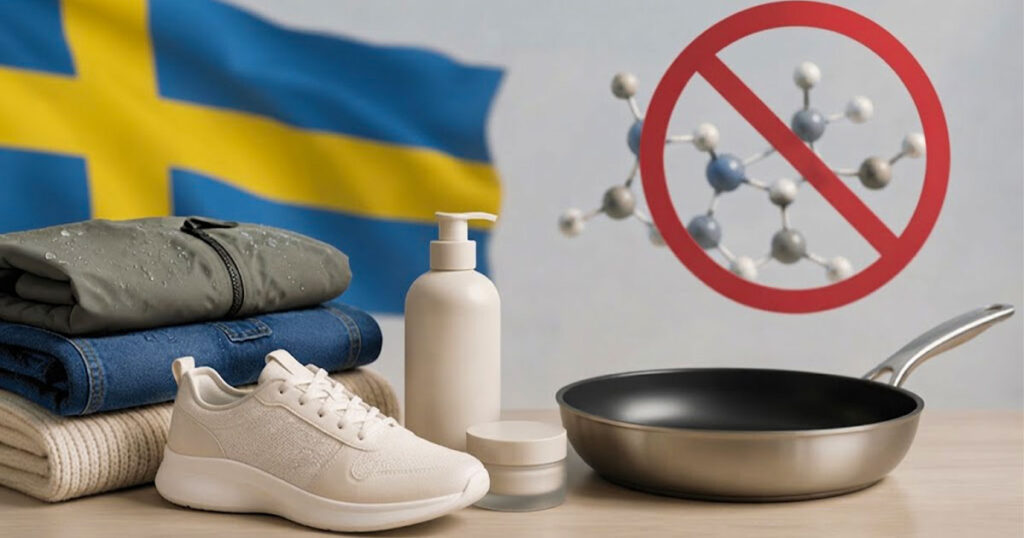

Sweden moves to ban eternal chemicals in everyday products from 2028
PFAS compounds are referred to as forever chemicals because they are extremely persistent and difficult to break down after they reach water or soil. This is why the Swedish decision reflects a preventive approach linking the protection of public healthimprove water quality and reduce future decontamination costs. National rules will remain in place until they are replaced by unified legislation at the European Union level.
Daily products included in the proposed ban
The proposed Swedish ban focuses on a group of goods that consumers use on a daily basis, including:
- Clothes.
- Shoes.
- Insulation and water resistance materials.
- Cooking tools.
- Cosmetics.
- Ski wax.
Forever chemicals are used in these products because they give them the ability to resist water, oils, and stains.And the heat. But the property that makes it commercially useful is the same thing that makes it environmentally problematic: it remains in nature for long periods and may be transmitted during the manufacture, use or disposal of the product.
Preventing pollution at the source protects water and health
The Swedish government believes that reducing the use of PFAS compounds in everyday products helps reduce their leakage into ecosystems and reduce individuals’ exposure to them. This approach differs from relying on water treatment or cleaning up contaminated sites after compound buildup, because it focuses on stopping eternal chemicals from entering the market in the first place.
This path places the decision within a broader framework of sustainability, as it is linked to the sixth goal of the Sustainable Development Goals (SDGs), in particular goal 6.3, which calls for improving water quality and reducing the release of hazardous chemicals. As it connectsThe third goal, especially target 3.9 related to reducing diseases and deaths resulting from harmful chemicals and air, water and soil pollution. Hence, reducing the spread of eternal chemicals becomes a step linked to protecting the environment and health at the same time.
This link does not mean that the ban alone will solve the problem, but it may reduce the flow of new pollutants into the environment, and give the authorities more space to focus on treating the already accumulated pollution.
Available alternatives push towards more responsible production
The Swedish government says suitable alternatives are already available for many of the uses covered by the proposal, reducing the need for continued reliance on eternal chemicals in some consumer goods.
This point reinforces the decision’s connection to the twelfth goalSustainable development concerned with responsible consumption and production, in particular target 12.4 on the environmentally sound management of chemicals and waste throughout their life cycle. Replacing highly persistent compounds with less trace materials can reduce the likelihood of their release during manufacture, use, and eventual disposal of products.
But the success of the transition will depend on the ability of companies to provide alternatives that perform the same functions, and on the clarity of exceptions and time limits, in addition to effective control over local and imported products.

Sweden precedes European legislation
The proposal comes as The European Chemicals Agency continues to evaluate a broad plan to restrict eternal chemicals at EU level. Provided by SwedenGermany, the Netherlands, Denmark and Norway jointly propose in 2023, with the aim of reducing the production, sale and use of these vehicles in multiple sectors.
This year, the agency published a scientific opinion supporting the imposition of broad restrictions, while the final opinion is awaited before the file is transferred to the European Commission and member states for political consideration. Until then, Sweden is moving to apply national rules to products for which it deems alternatives available, rather than waiting for the long European path to be completed.
This step reveals the expansion of the European trend to tighten restrictions on eternal chemicals. France has already imposed national restrictions on certain clothing, shoes, cosmetics and ski wax containing PFAS, with limited exceptions.
Widespread controversy over the cost of the ban
My luckThe European proposal received great interest from companies, trade associations, legal organizations and other parties, as the European Chemicals Agency received more than 5,600 contributions during the consultation process, making it one of the largest consultations in its history.
This number reflects the extent of the controversy surrounding the file. Reducing the use of eternal chemicals carries potential benefits for health and the environment, but it also imposes costs on companies that need to modify products, manufacturing lines and supply chains.
The success of the Swedish move will therefore depend on achieving a balance between the speed of environmental protection and the ability of the market to transform, while ensuring that excluding PFAS does not lead to the use of other alternatives whose effects have not been adequately studied.
In conclusion, the Swedish plan represents a shift from dealing with pollution after it occurs to reducing its causes at the source. And if you enterWhen the rules come into force in 2028, they will become part of a broader European wave that is reevaluating the use of eternal chemicals in everyday products.
In this context, The Earth Guards Foundation directs the need to place the confrontation with eternal chemicals within an integrated path that combines stopping uses for which safer alternatives are available, and treating the pollution that has already accumulated in the water and soil. Bans can limit the flow of new pollutants into the environment, while the need remains for effective technologies to treat existing compounds, in addition to evaluating the effects of new alternatives and monitoring them before expanding their use.


