Egypt at TICAD 9: A Strategic Presence Towards Achieving Sustainable Development
Egypt at the TICAD 9 summit…a strategic presence towards achieving sustainable development
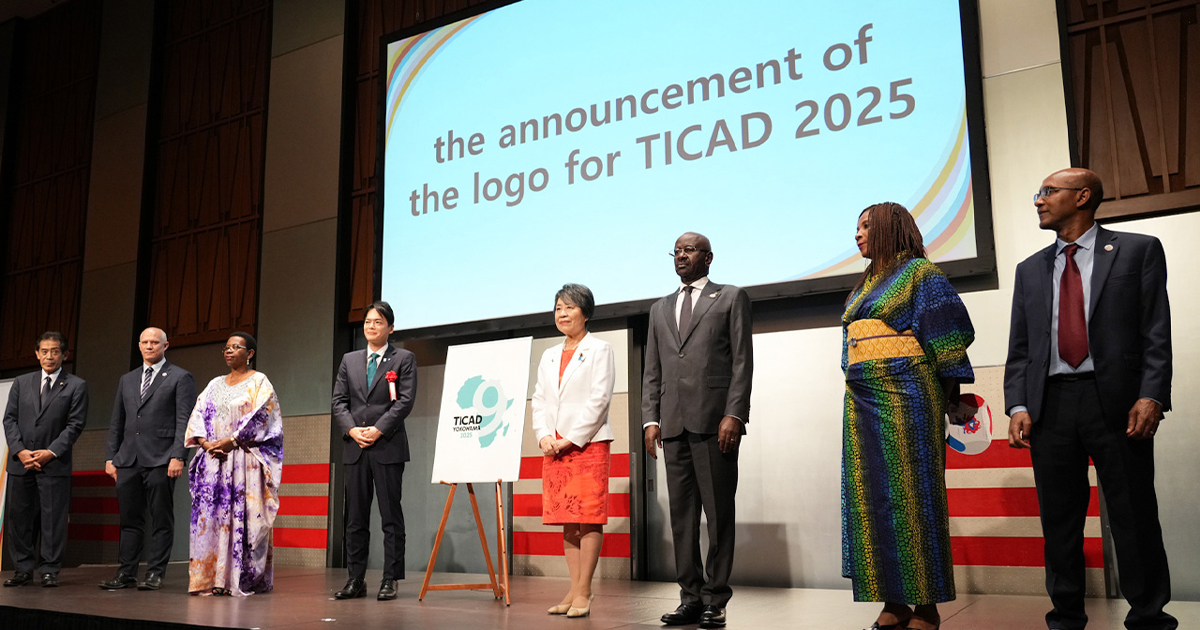
In the Japanese city of Yokohama, over a period of three days between August 20 and 22, 2025, the ninth edition of the Tokyo International Conference on African Development, known as the “TICAD 9” summit, began. This global event, which brings together leaders of African countries and heads of international organizations alongside Japan, is a platform for renewed commitment to achieving development on the African continent through practical and sustainable partnerships.
Egypt is attending this summit with a high-level delegation headed by Dr. Mostafa Madbouly, Prime Minister, on behalf of President Abdel Fattah El-Sisi, and will addressEarth GuardsIn this article, the dimensions of this participation in the “TICAD 9” summit, and the strategic vision it reflects for building…The future of the African continent.
Madbouly represents Egypt…a message of trust and a leadership role
Through his participation, Dr. Mostafa Madbouly stressed in the opening session of the summit that Egypt is considered one of the countries that can be relied upon to strengthen African-Japanese cooperation, and a partner capable of contributing to the formulation of cross-border development policies.
With regard to the official program of the visit, it will include high-level bilateral meetings with officials of international and African organizations, in addition to talks with leaders of major Japanese companies. These meetings will not only be protocol, but are expected to translate Egypt’s practical approach towards attracting investments and strengthening economic partnerships that support sustainable development.
Education is Egypt’s top priority within “TICAD 9”
On the sidelines of the summit, the participation of the Minister of Education is highlightedand Education, Dr. Mohamed Abdel Latif, who signed a letter of intent with Japanese Minister of Education Abe Toshiko, this agreement that embodies Egypt’s vision that education is the gateway to the future, and that development begins from school.

This agreement includes expanding cooperation in the fields of technical education and vocational training, in addition to supporting the education of people with disabilities, based on the successful experience of the “Egyptian-Japanese Schools” project, which will receive a special display in the pavilion of the Japanese Ministry of Education “EDUPORT” during the summit, as a pioneering model of international cooperation in education.
This step places Egypt in the position of a country that not only benefits from international expertise, but also issues an inspiring educational model that can be replicated in other African countries. Thus, Egyptian participation embodies Goal (4) of the Sustainable Development Goals (SDGs), which is to ensureQuality educationEquitable education for all.

Health and comprehensive health insurance…an Egyptian vision
The Egyptian presence will not be limited to the education file, but rather extends to health as a basic pillar of development. Professor Mai Farid, Executive Director of the Universal Health Insurance Authority, will participate in a high-level session to discuss ways to achieve universal health coverage in Africa by 2030.
From the health sector to the economic field, the Egyptian participation goes on to confirm the comprehensiveness of its vision at the summit, as it is not limited to social and development issues only, but extends to the heart of the investment and commercial issues that determine the future of the continent. Dialogue with Japan is based on building long-term economic partnerships.

The Economic Forum.. Egypt is a gateway to investmentsJapanese in Africa
These partnerships are clearly evident in the Egyptian-Japanese Economic Forum scheduled to be held within the “TICAD 9” activities, in an event that will bring together business leaders from the two countries to discuss joint investment opportunities. This forum will serve as a platform for enhancing cooperation between the Egyptian and Japanese markets, and will carry within it a broader strategic dimension.
Egypt’s geographical location, its membership in regional trade agreements, and its ability to connect multiple markets make it an ideal partner for Japan in moving towards sustainable investments in the continent. This is consistent with Goal (8) of the Sustainable Development Goals (SDGs), which calls for promoting economic growth and providing decent work opportunities.
TheEarth Guards Foundation confirms that this participation reflects a deep awareness that sustainable development does notIt is achieved through unilateral efforts, but through strong international partnerships, which is consistent with Goal (17) of the Sustainable Development Goals (SDGs). With this participation, Egypt opens the way for building bridges of regional and international cooperation.
Therefore, Egypt’s participation in “TICAD 9” is not reduced to being a high-level protocol presence, but rather represents a conscious attempt to establish a new development equation based on investing in people, building balanced partnerships, and strengthening Cairo’s position as a strategic gateway between Africa and the world.