

The COP31 conference kicks off in Antalya… Wars and artificial intelligence take the lead
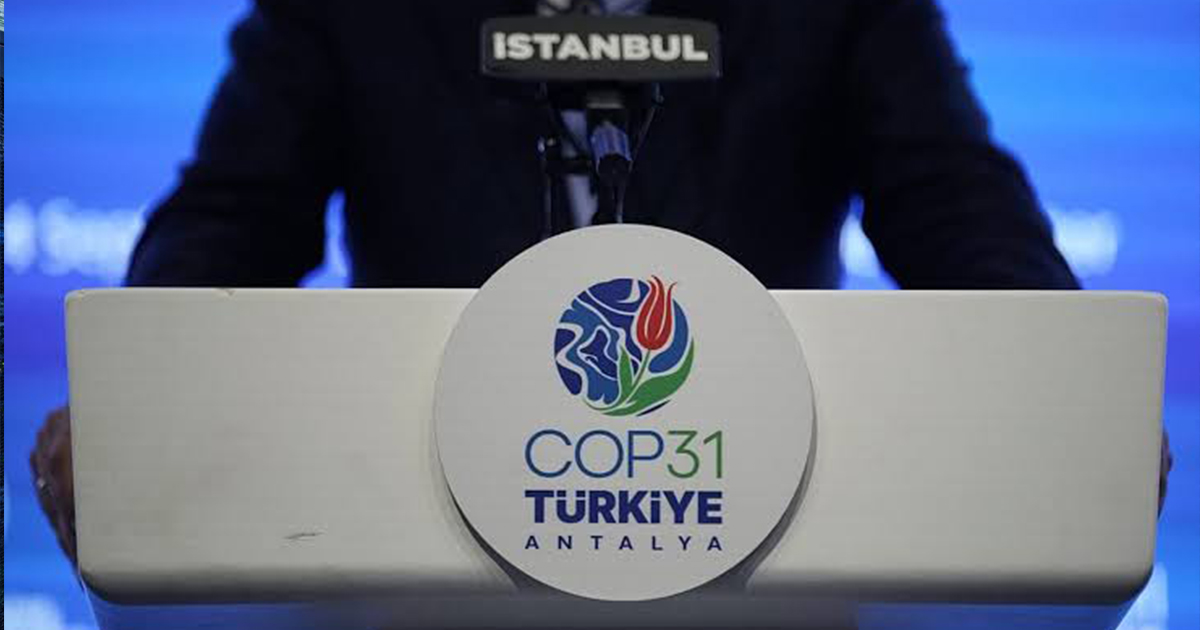

The COP31 conference kicks off in Antalya… Wars and artificial intelligence take the lead
On the Mediterranean coast, the Turkish city of Antalya receives representatives from about 200 countries, with the launch of… Climate conference COP31 Today is Monday, November 9, 2026; In a world conflicted by the need for more energy and the commitment to reduce greenhouse gas emissions.
The negotiations, which will last for two weeks, come under complex pressures. The war with Iran has disrupted oil supplies and prompted countries to increase their dependence on coal, while the rapid expansion of artificial intelligence has led to increased demand for electricity, and the decline of American participation in international climate cooperation adds a new challenge to efforts to reach a strong agreement.
Within these circumstances, Türkiye is launching an initiative to increase reliance on electricity in the global economy by 2035. To open a debate about the world's ability to meet its growing energy needs, while maintaining an emissions reduction path.
Wars bring coal back to the fore
The US war with Iran revealed the extent to which energy markets were affected by geopolitical turmoil, after it caused the disruption of oil shipments through the Strait of Hormuz, increased fuel prices, and prompted governments to search for alternative supplies.
As the war entered its ninth month, Asian countries, including South Korea, India, and Thailand, tended to increase reliance on coal or take measures to enhance electricity generation from it, in an attempt to secure their energy needs.
In the United States, the administration of President Donald Trump has encouraged policies aimed at increasing oil, gas, and coal production, as Washington continues to move away from international climate cooperation for the second year in a row.

John Holdren, a professor of environmental policy at Harvard University, believes that the current circumstances have given advocates of the continued high use of fossil fuels more space to present their positions.
But the irony is that the disruption of oil supplies has also brought back the spotlight on the importance of renewable energy in reducing dependence on imported fuels. China's exports of low-cost clean technologies have contributed to supporting the expansion of their use, despite the pressures facing energy markets.
The Brazilian diplomat Andre Correa do Lago, who chaired the previous Conference of the Parties, considered: The war strengthened the justifications for accelerating the energy transition, indicating that the American position differs from this trend, which reflects the magnitude of the challenges facing the climate conference negotiations. COP31 In Türkiye.
Is electricity enough to save the climate?
Amidst these complications, the Turkish presidency of the conference was put in place COP31 initiative "35 by 2035" At the top of its priorities, it calls on countries to support raising the share of electricity in global energy use to more than one-third by 2035, compared to about one-fifth currently.
The initiative aims to accelerate the transition from equipment powered by fossil fuels to electric alternatives, including cars, heating systems, boilers and cooking stoves.

This shift may help reduce emissions, especially when electrical systems rely on low-carbon sources. But here a question arises that determines the climate value of the initiative: Where will the additional electricity come from?
Increasing the use of electricity may mean reducing direct fossil fuel consumption in homes and transportation, while actual climate gains are largely determined by the sources used to generate them.
This paradox is presented Target 7.2 of Goal 7 of the Sustainable Development Goals, on clean and affordable energy, part of the answer; It calls for increasing the share of renewable energy in the global energy mix. At this point, expanding the use of electricity and relying on clean energy sources become two complementary paths to achieving an actual reduction in emissions.
Climate organizations have criticized the Turkish pledge. Due to the absence of a clear requirement that additional electricity come from low-carbon sources, which makes electricity generation sources one of the issues up for discussion at the climate conference. COP31, especially when assessing the extent to which the initiative contributes to reducing emissions.
Artificial intelligence doubles energy demand
The digital revolution adds another challenge to the negotiations, after the rapid spread of artificial intelligence applications has led to an increase in global demand for electricity, and the additional emissions that may accompany meeting it.
Data centers need large electrical supplies to operate servers and cooling systems, coinciding with the expansion of the use of smart technologies in the economic and service sectors.

Here another paradox appears that is worth contemplating: How can a technology that is expected to develop in the future expand without its energy needs turning into an additional burden on the climate?
Türkiye seeks to open this debate in COP31 Through an initiative calling on governments, companies and institutions to adopt principles that ensure the development and use of artificial intelligence in a more sustainable manner.
This step places energy efficiency and environmental considerations within the discussion about the future of technology, at a time when economies are racing to benefit from its applications.
Fossil fuel disputes put pressure on negotiations
The participating countries face COP31 A row continues over the future of oil, gas and coal, with a coalition of South Pacific island nations calling for a clearer global roadmap to move away from fossil fuels. The demands of these countries gain particular importance as they are exposed to the dangers of sea level rise, which threatens communities, infrastructure and natural resources.
On the other hand, oil and gas producing countries see the possibility of fossil fuels continuing to be part of the global energy mix, provided that technologies are used that reduce or capture emissions.

This dispute comes amid mounting warnings. A report issued by the United Nations Environment Program in October indicated that the world is on track to exceed the warming threshold of 1.5 degrees Celsius above pre-industrial levels.
The year 2026 witnessed severe heat waves in Western Europe. An avalanche in Nepal was followed by catastrophic floods that killed more than 1,450 people., with thousands more still missing, according to recent updates.
These facts give the negotiations a direct human dimension. Energy and emissions decisions are linked to the ability of communities to protect lives and vital facilities and adapt to increasing risks.
These challenges come after the COP30 conference hosted by Brazil, and were addressed The Earth Guards Foundation In a previous report Its most prominent results and final recommendations; This opens the way to evaluate the extent to which climate efforts continue between successive conferences.
From pledges to investment decisions
As the meetings get underway, companies are looking forward to greater clarity on the policies that will guide investments in energy, electricity and climate adaptation projects.
Secretary-General John Denton confirmed For the International Chamber of CommerceImplementing commitments requires clear political signals that give companies the confidence to invest in expanding the use of electricity, shifting towards clean energy, and transforming adaptation needs into bankable projects.
Hence, the issue raised by the conference expands; Climate goals require regulatory and financing decisions that translate ambitions into projects and help economies respond to energy needs without neglecting their environmental impacts.
Within the framework of the international attendance at the climate conference COP31, engaged The Earth Guards Foundation With an official delegation at the conference activities in the Turkish city of Antalya, the Foundation’s delegation is headed by Dr. Muhammad Zeyada, Chairman of the Board of Trustees of The Earth Guards Foundation, in a step that reflects its interest in keeping pace with global discussions on climate change and the transition towards clean energy.

This participation comes as an extension of the Foundation’s efforts to spread awareness of environmental issues and enhance knowledge of solutions that support sustainable development.
In this scene, the issue she presents emerges The Earth Guards Foundation At the heart of its vision for progress; It is the ability of knowledge, innovation and cooperation to transform major challenges into solutions that affect human life and preserve the resources of the future.
Between wars that bring coal back to the forefront, and technology that consumes more electricity, there are negotiations COP31 in Antalya faces a critical test: How can the world produce the energy it needs, and at the same time reduce the emissions that threaten its future?


