The Egypt earthquake highlights the role of national preparedness in building safer and more sustainable cities
In the past few hours, the earthquake in Egypt has raised urgent questions about the capabilities of responding to geological crises. The ability of countries depends on the speed of their response and the efficiency of their institutions in managing such crises, as well as the awareness of their citizens on how to deal with dangers.
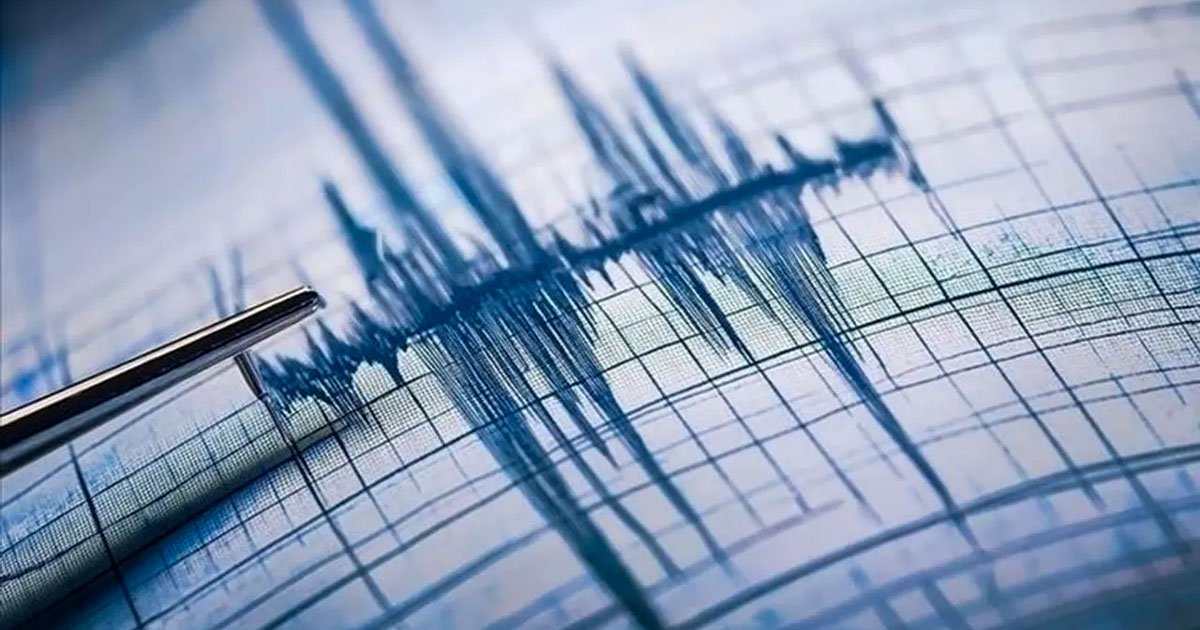
This is because Egypt witnessed a rare occurrence at dawn on Monday, when an earthquake occurred that was felt by residents of Cairo and a number of governorates, after The National Institute for Astronomical and Geophysical Research announced the recording of an earthquake measuring 5.6 on the Richter scale, which occurred 38 kilometers north of the city of Suez.
From the first moments, the Egyptian Red Crescent announced raising the level of readiness, activating the operations center and emergency plan, while continuing coordination with the response teams and concerned authorities to follow developments in the situation on the ground. The Operations Center also received a number of citizens’ calls for inquiries and reassurance, in addition to limited reports that were dealt with immediately, including the collapse of the balcony of a house in the Suez Governorate, and the partial collapse of a property in the Rawd Al-Farag area, where response teams moved to the two sites, and it was confirmed that no injuries occurred.
Accordingly, the Egyptian Red Crescent confirmed the continuation of monitoring work in the sites about which reports were received, while emphasizing that the operations center did not receive any reports indicating deaths or injuries as a result of this earthquake, calling on citizens to rely on official data, and to contact the hotline (15322) to report any emergency situations.
Health preparedness
In the same context, Dr. Khaled Abdel Ghaffar, “Minister of Health and Population and Deputy Prime Minister for Human Development,” directed the activation of the health emergency plan immediately after the earthquake occurred, and the convening of a central crisis and emergency room, and linking it to emergency rooms in all governorates. In order to ensure real-time follow-up of any health developments.
The measures also included raising the maximum level of readiness in emergency and critical care departments in all hospitals, ensuring the readiness of the Egyptian Ambulance Authority and rapid deployment teams, as well as reviewing the stock of medicines, medical supplies, blood bags and oxygen, to ensure rapid response to any potential developments.
The Ministry of Health and Population has confirmed that the health situation is…It is stable so far, and no injuries related to the earthquake have been recorded, with continued close follow-up and continuous coordination with various concerned parties. These are actual efforts based, in one way or another, on achieving the third goal of the Sustainable Development Goals (SDGs): good health and well-being.
At the same time, the Ministry of Health issued a package of preventive instructions for safely dealing with earthquakes. Among the most prominent of these instructions are:
Be calm during an earthquake.
Take shelter under a table or next to an interior wall away from windows and heavy objects.
Covering the head and neck.
Not using elevators.
It also recommended ensuring – after the end of the earthquake – personal safety and the safety of those around,Check gas, electricity and water sources, avoid lighting any source of fire before ensuring that there are no leaks, stay away from damaged buildings and exposed electrical wires, and contact the ambulance via the number (123), the health emergency (137) or the hotline (105) when needed.
These measures come within the framework of a national crisis management system that relies on rapid coordination between state institutions, which enhances the ability to respond immediately and reduce potential dangers, especially in light of the sudden nature of earthquakes that require constant preparedness at the institutional and societal levels.
Experience confirms that successful dealing with natural disasters is linked to the strength of the phenomenon itself, and is also linked to the extent of the readiness of state agencies and the awareness of citizens. Because the speed of activation of emergency plans, the clarity of official messages, and the spread of response teams are all essential elements in…Reducing losses and enhancing public confidence.
Hence, investing in raising community awareness and developing warning and response systems; They remain one of the most important components of building a society more capable of confronting natural dangers, and turning potential crises into successful tests of state efficiency and societal cohesion.
Therefore, The Earth Guards Foundation views this earthquake as a reminder that the security of societies is linked to their ability to protect these achievements when crises occur; Therefore, establishing a culture of preparedness, updating risk management plans, and integrating resilience considerations into development policies; Basic requirements to ensure sustainable development and protect lives and property.