

UN report: Financing climate change covers only 20% of the needs of developing countries by 2035

UN report: Climate change financing covers only 20% of developing countries’ needs by 2035
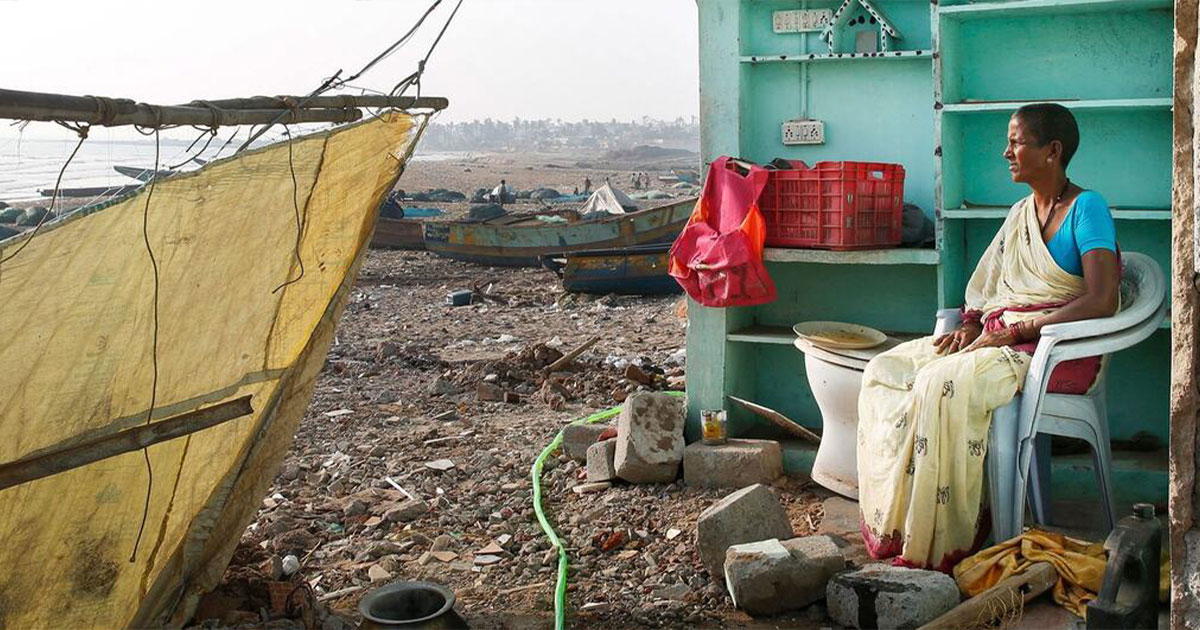
Because of the effects the world is suffering from Climate change The 2026 Adaptation Gap Report, issued by the United Nations Environment Programme, revealed – under the title “Ready?” No – about the widening gap between international financing allocated to confront the repercussions of climate change and the actual needs of developing countries, warning that current financing flows are still far below the levels required to enhance resilience and confront increasing climate risks.
Severe impacts and limited funding
The report, which stems from Goal 13 of the Sustainable Development Goals: Climate Action, explained that Financing provided by industrialized countries to developing countries to adapt to the effects of climate change; It saw only a limited increase of $1 billion between 2023 and 2024, reaching between $28.2 and $31.7 billion, against annual needs estimated at $305 billion by 2035!
Accordingly, the report indicated that achieving the ambition announced by the Thirtieth Conference of the Parties, COP30, regarding tripling international financing for adaptation by 2035; It will cover only 20 to 29% of the needs of developing countries. Which reveals that the financing gap continues in light of the escalating effects of climate change and the world’s approaching threshold of exceeding the global warming threshold of 1.5 degrees Celsius.
Hence, the Executive Director of the United Nations Environment Programme, Inger Andersen, conveyed her warning that the world is not ready to adapt even to the current climate conditions! Emphasizing the need to intensify efforts during the Thirty-First Conference of the Parties in Türkiye and beyond; To increase adaptation financing to levels that save lives, avoid loss and damage, and protect all economies.

A financing gap that exceeds current capabilities
In detail, tripling funding could, according to the report’s data, raise international flows allocated to adaptation to between $85 and $120 billion annually by 2035. In contrast, tripling the funding directed to the least developed countries and small island developing states could contribute to covering between 49 and 84% of their needs. This reflects the importance of directing resources to countries most exposed to climate risks.
The report also attracted attention States noted that estimates of financing needs are based on an analysis of nationally determined contributions, noting that the estimated number does not significantly include the needs of the private sector, the addition of which could lead to approximately doubling the total needs.
Institutional reforms to accelerate adaptation
The report stressed that providing financing alone – despite its importance – does not represent a guarantee for achieving climate adaptation. It requires building an institutional environment capable of transforming plans and priorities into practical actions on the ground.
Therefore, the report emphasized that these measures represent essential elements for accelerating the implementation of adaptation plans, improving the efficiency of resource use, and enhancing the ability of institutions and societies to deal with climate risks.

Increased losses and damages
With regard to losses and damages resulting from climate change, the report warned that insufficient efforts to reduce emissions and adapt to their effects lead to an exacerbation of the damage to developing countries, stressing that these losses may continue even with adaptation measures taken.
He explained that the funding allocated to confront losses and damages is still below actual needs, while complex procedures and limited technical and institutional capabilities hinder the affected countries’ access to the required support.
Here the report gave an example of the first round of financing launched by the “Loss and Damage Fund,” which was established under the sponsorship of Egypt at COP27, where the value of the financing requests submitted amounted to $2.8 billion, compared to only $342 million representing the initial amount available. to the Fund, which reveals the volume of requests that have not been met.
From the above, the report concluded that it is necessary to strengthen countries’ capabilities to assess losses and damage, provide sufficient and predictable financial and technical support, simplify procedures for obtaining financing, and ensure the effective participation of affected communities in developing appropriate responses.
In conclusion, The Earth Guards Foundation reads these results as revealing a flaw in the arrangement of global priorities; While the world’s knowledge of climate risks is expanding, and estimates of their costs are becoming more precise, the financial and institutional response is still moving at a pace that is disproportionate to the scale of the transformation taking place in the economic and environmental systems.
From the institution’s perspective, the most dangerous thing that this global financial gap reveals is the possibility that it will turn Adaptation plans themselves turn into commitments that are difficult to implement; Governments set goals to protect coasts, secure water resources, develop agriculture, and fortify cities. When implemented, it encounters limited resources, unqualified institutions, or financing tools that do not take into account the nature of local climate risks.


