

Standards and Quality Authority holds a workshop to support the olive oil industry and combat commercial fraud
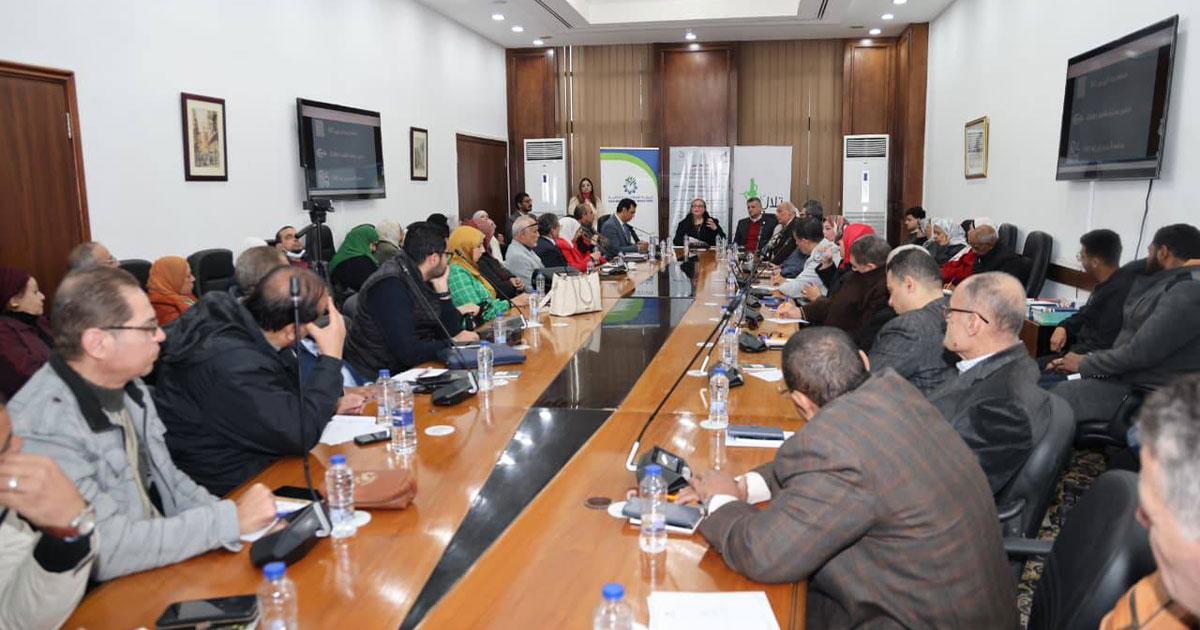

The Standards and Quality Authority holds a workshop to support the olive oil industry and combat commercial fraud
The Egyptian olive oil industry __EG_PH_6 is moving at a steady pace towards development and advancement, as it constitutes an important part of the country’s agricultural and industrial economy, and contributes to enhancing the added value of the national product at the local and international levels. The focus is on modern agriculture and advanced manufacturing to ensure the production of high-quality oil capable of competing globally, while supporting the sustainability of resources and achieving a sustainable economic return for farmers and industries related to the chain Production.
Accordingly, quality control and standardization play a pivotal role in protecting the consumer and enhancing confidence in the national product, by setting standard specifications that prevent commercial fraud and control production and storage processes.And packing.
Compliance with international standards reflects the state’s commitment to developing the food industries, and supports the ability of the Egyptian product to export, while enhancing the efficiency of the industrial sector and developing the national economy in a sustainable manner, in line with Egypt’s 2030 vision for industrial and agricultural development.
Olive oil.. Agriculture – Industry – Investment
Within the framework of cooperation and coordination between the Egyptian General Authority for Standardization and Quality and the member agencies of the Authority’s formed Oils and Fats Committee, the Authority participated in the activities of a workshop entitled “Olive Oil… Agriculture – Industry – Investment,” with the participation of a group of experts, researchers, and representatives of regulatory and industrial authorities.
Dr. Khaled Sofi, Chairman of the Egyptian General Authority for Standardization and Quality and President of the International Organization for Standardization (ISO), said: The Egyptian standard specificationsOlive oil represents the first line of defense against commercial fraud practices and contributes directly to protecting the consumer and supporting the national product.
He also stressed that the Authority is constantly working to update its specifications in accordance with the latest international standards, adding that adherence to standard specifications comes within the framework of the state’s keenness to control the quality system and enhance confidence in Egyptian olive oil in the local and international markets, which reflects positively on the quality of the product and increases its global competitiveness.
This commitment reinforces several Sustainable Development Goals (SDGs), most notably Goal 8: Decent work and economic growth by supporting national industries and creating sustainable job opportunities. It is then linked to Goal 9: Industry, innovation and infrastructure through developing food industries and raising their standards in line with best global practices, and finally contributes to Goal 12: Responsible consumption and production.By adopting quality and standardization standards that limit commercial fraud and ensure the efficiency of the production chain.

An integrated vision to advance the Egyptian olive oil industry
Dr. Khaled Sufi also stressed the need for continuous coordination between regulatory, research and industrial authorities, in a way that contributes to developing the olive oil industry from agriculture to manufacturing and export, achieving sustainability, protecting the national economy and reducing commercial fraud practices.
The workshop aimed to develop an integrated vision for advancing the Egyptian olive oil industry and maximizing its added value, by addressing the various episodes of the production chain, starting from cultivation and harvesting, through manufacturing and quality control processes, all the way to export and achieving environmental sustainability.
Egyptian standard specifications compatible with specificationsInternational
During the workshop activities, the Egyptian Standard Specifications No. 49-2/2016 for olive oils were reviewed, explaining that its latest version is being approved in 2026, which serves as a real barrier against the adulteration of olive oil, and contributes to protecting the consumer from various methods of fraud.
It also addressed the topics on the agenda of the meetings of the International Codex Committee for Oils and Fats, scheduled to be held in Malaysia next February, and reviewed the position of the Arab Republic of Egypt on these topics, which were later adopted to be Egyptian standard specifications compatible with international specifications, as well as reviewing the Authority’s efforts at the Arab and African levels in the oils and fats sector, and coordinating common positions to overcome any trade obstacles.
Important recommendations that resulted from the workshop
The workshop resulted inA number of important recommendations, most notably the need to tighten technical and time control of olive oil production processes, adherence to proper storage methods using appropriate tanks and inert gases, in addition to implementing mandatory sensory evaluation in parallel with chemical analyzes in accordance with international standards.
The workshop also recommended establishing specialized laboratories and an applied scientific institute for olives, benefiting from successful international experiences in cooperative systems, and maximizing the use of olive press waste within the framework of the trend towards sustainability and achieving the “Zero Waste” concept.
The participants stressed the importance of protecting the consumer and the national producer from commercial fraud, building the capabilities of workers in the sector, and intensifying awareness programs, which contributes to enhancing the confidence of local and international markets in Egyptian olive oil and supporting the national economy.
From the above, it is clear that the state’s commitmentManufacturers with standard specifications and quality represent a strategic pillar for the advancement of the Egyptian olive oil industry and a bulwark against commercial fraud, which enhances confidence in the national product and increases its competitiveness regionally and internationally. The development of this industry also requires an integrated vision for all production cycles from agriculture to export, with a focus on environmental and economic sustainability and the application of best practices in storage, manufacturing and quality analysis.
The Earth Guards Foundation highlights such initiatives due to their significant contribution to achieving Sustainable Development Goals (SDGs), which are promoting economic growth and decent work by supporting national industries and creating sustainable job opportunities, innovation and developing industrial infrastructure by improving production processes, and ensuring responsible consumption and production by adopting quality standards and chain efficiency.Production.


