

Hurricane Isaias leaves 4 dead and disrupts electricity and energy supplies in America
Hurricane Isaias leaves 4 dead and disrupts electricity and energy supplies in America
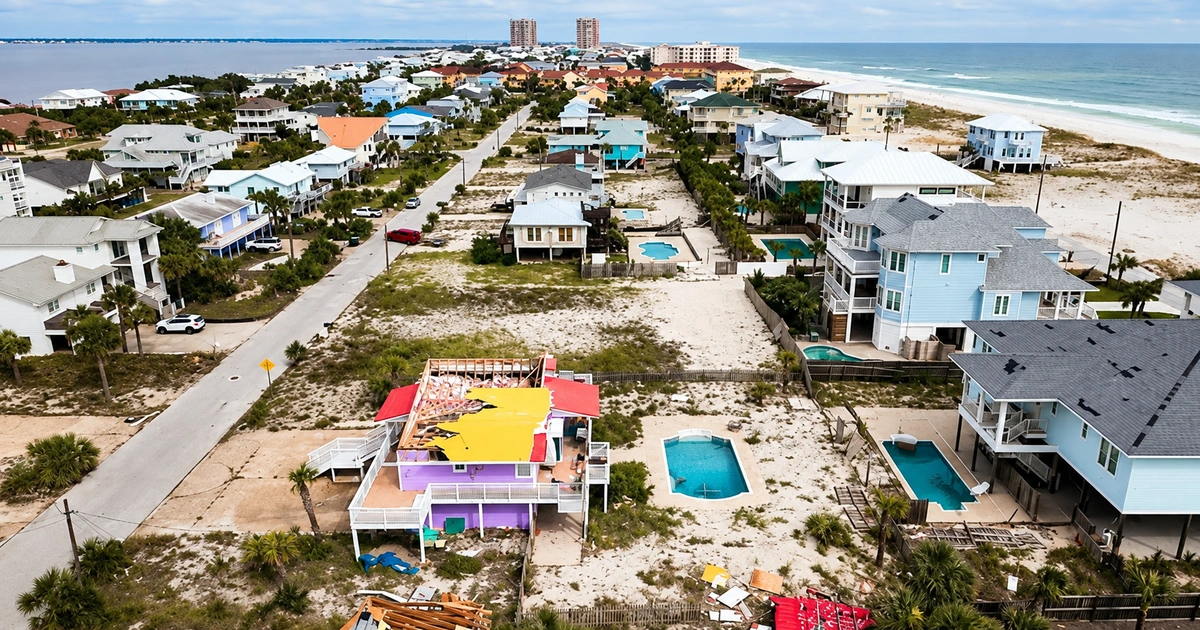
behind Hurricane Isaias Four deaths and a widespread power outage in the southeastern United States, after it struck the coast of Florida on Saturday morning, October 10. Four states faced the repercussions of the storm that deprived about 670,000 customers of electricity, and caused damage to roads and vital facilities, amid warnings of continued floods and violent winds.
As the hurricane declined in strength and turned into a depression that lost its tropical characteristics, its effects extended to the energy sector in the Gulf of Mexico, where a large portion of oil and gas production stopped. These losses put American cities' ability to withstand natural disasters to the test, especially with the increasing importance of resilient infrastructure and preparedness for climate risks in achieving sustainable development.
Hurricane Isaias leaves dead
Hurricane Isaias reached the coast of Florida at Category 2 hurricane strength, becoming the first hurricane to make landfall in the United States during the 2026 Atlantic hurricane season, before gradually losing strength as it moves inland.
The storm resulted in the death of four people, including two who died as a result of trees falling on homes, according to authorities and local media. Despite the decline in hurricane intensity, the US National Hurricane Center warned of the continued risk of flash floods, damaging winds and rising sea water, in addition to the possibility of the formation of tornadoes in parts of Florida, Georgia and the Carolinas.
These dangers reaffirm the importance of early warning systems, evacuation and emergency response plans, as essential tools for protecting the population, intersecting with Goal 11 of the Sustainable Development Goals, which is concerned with building safe and resilient cities and local communities.
670 thousand subscribers without electricity
Traces extended Hurricane Isaias To the electricity networks, where Florida recorded about 420,000 affected customers, compared to 190,000 in Alabama, 43,000 in Georgia, and 17,000 in Mississippi, according to website data. PowerOutage.us Until mid-Saturday.
In the face of these outages, Florida authorities placed restoring electricity among their priorities, after about 16,000 workers prepared to participate in repairing the damaged networks. In parallel, specialized teams began assessing the damage and gradually reopening roads, bridges and airports.
The difficulties of daily life worsened in the coastal city of Pensacola, where drinking water shortages emerged, while the city's airport suffered damage that led to the suspension of commercial flights. In Houston County, Alabama, roads were closed due to fallen trees and damaged power lines.
These scenes illustrate how the repercussions of disasters move from the immediate danger to the basic needs of the population. The continuity of electricity, water, and transportation represents a critical element in the ability of societies to overcome crises, and highlights the importance of investing in infrastructure that can withstand harsh weather conditions.
Paralysis in energy production
The storm's economic losses extended to offshore energy facilities, as about 69% of oil production and 57% of natural gas production in the Gulf of Mexico remained halted on Saturday, according to data from the relevant US authorities.
Also, 113 production platforms continued to be evacuated, representing about 30% of the total platforms, as part of precautionary measures to protect workers from dangers. Hurricane Isaias.

With the improvement of weather conditions, Shell began returning workers to a number of its facilities, while Chevron intensified its preparations to resume production, with the return of operational teams continuing until Sunday.
To address supply disruptions, the US Department of Energy authorized the emergency exchange of up to four million barrels of crude oil from the Strategic Reserve.
The disruption of production reveals one of the economic dimensions of natural disasters. Its effects extend to energy supply chains and market stability, which reinforces the importance of business continuity plans and the resilience of vital sectors in the face of crises.
Recovery efforts begin
With declining strength Hurricane IsaiasThe efforts of the American authorities were directed towards repairing the damage and restoring services, in conjunction with continued warnings of the dangers after the storm.
Federal authorities approved emergency declarations in Florida and Alabama to free up resources for the response, while field teams continued to remove fallen trees, inspect roads and facilities, and repair electrical networks.

This stage reflects the importance of coordination between local and federal institutions and service companies. The speed of recovery depends on the readiness of emergency teams, the availability of resources, and the ability of stakeholders to identify the most urgent needs.
From a climate adaptation perspective, these actions provide a practical aspect of Sustainable Development Goal 13, on climate action, by enhancing resilience to natural hazards and dealing with their impacts.
Disaster resilience testing
Fallout pool Hurricane Isaias Between human losses, the disruption of electricity, water, and transportation, and the cessation of energy production, revealing the extent of the interrelation between the safety of the population, the efficiency of infrastructure, and the stability of economic activities.
And from perspective The Earth Guards FoundationThis experience highlights the importance of building societies capable of preparing for and recovering from disasters, by investing in service networks, developing early warning, and enhancing cooperation between institutions responsible for protecting the population.
While efforts to repair damage and restore activity to affected areas continue, the experience of Hurricane Isaias provides coastal cities with a lesson in the importance of early disaster preparedness. Every more resilient service network and every more efficient emergency plan represents a step towards protecting populations, reducing losses, and establishing communities that can confront natural hazards and recover from their effects.


