

In the most famous sports arbitration case… Will Senegal win the 2026 Africa Cup of Nations again?
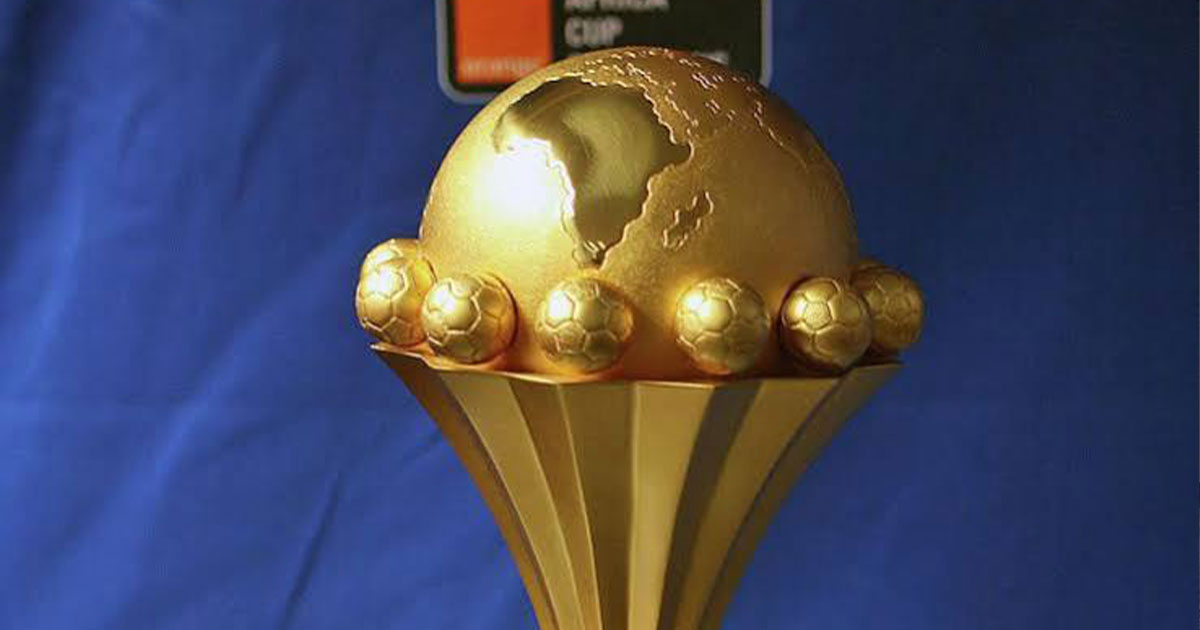

In the most famous sports arbitration cases.. Will Senegal win the 2026 Africa Cup of Nations again?
The Court of Arbitration for Sport ( CAS ) will issue its ruling on Senegal’s appeal for the 2026 African Nations title at the end of next November, and this is after a closed session held in “ the city of Lausanne ” on October 8 of this year. Until then, the identity of the African champion remains suspended between the decision of the African Union (CAF), which awarded Morocco the title, and Senegal’s demand to regain it.
This issue has a legal dimension that crystallizes the seventeen sustainable development goals, especially its sixteenth goal, which specializes in working to build strong institutions and achieve justice available to all. So The Earth Guards Foundation tells you In this analytical article, what has happened since the African Champions League final at the beginning of the year, and what impact this has had on achieving sustainability in particular. So keep reading.
What happened in the African Nations final?
The crisis began in one of the stadiums in the Moroccan city of Rabat on January 18, 2026, and moved two months later to the offices of the African Union, then to a session hall in the city of Lausanne. This arrangement summarizes the journey of any major sporting dispute: a stadium, then a committee within the federation, then international arbitration.
| Date | Event |
| 18 January 2026 | Rabat Final: A penalty kick is awarded to Morocco and was missed; The Senegal players withdraw from the field for several minutes, then return to score the winning goal in extra time |
| March 2026 | CAF cancels the final result, considers Senegal withdrawn, and gives Morocco a 3-0 victory and the 2026 African Nations champion title |
| March 2026 (several days later) | The Senegalese Federation appeals a sufficient decision before the Court of Arbitration for Sport |
| 8 October 2026 | Closed hearing at the court headquarters in Lausanne |
| End of next November | Issuance of the final ruling |
What happened inside the stadium?
What happened – in more detail – is that the original time ended controversially; A penalty kick was awarded to Morocco in the final minutes, and a number of Senegal players left the field in protest against the decision. The match then resumed, and Moroccan player Brahim Diaz missed the kick, after which Senegal scored the winning goal in extra time, ending the match 1-0 on the field.

How Turn the win into a title dispute?
The interesting thing here is that last March, the Confederation of African Football annulled the result, and the Senegal national team was considered to have withdrawn due to its players leaving the field. Accordingly, Morocco was awarded a 3-0 victory and the title; Therefore, today the Senegalese Federation demands that this decision be canceled and declared champion of the tournament, according to the official statement of the court.

What is sports arbitration?
The reader may ask: Why do national courts not consider a dispute of this magnitude? The answer is that sports arbitration was created to keep sports disputes within its international system, away from the differences in laws from one country to another. Because sports arbitration is a means of settling disputes related to sports through independent arbitrators They issue a ruling that is binding on the parties.

What are the powers of the Court of Arbitration for Sport?
CAS considers any dispute of a sporting nature or arising from a sporting context, provided that the parties agree to its jurisdiction, and this approval comes either through a special arbitration agreement, or through the Sports Federation’s system and regulations.
The court works through two main divisions :
- The Regular Division : initially hears disputes brought before it, such as contracts and commercial sports disputes, and it has confidential procedures.
- Appeals Division : Reviewing the decisions of sports federations and bodies, which is the division before which the Senegalese Federation stands.
In view of the jurisdiction of the Appeals Division, the file for the 2026 Africa Cup of Nations final match was transferred to the city of Lausanne. A sufficient decision is a decision issued by a continental sports body, which falls within the jurisdiction of the Appeals Division when the Federation’s regulations allow for this.
What are the decisions of the Court of Arbitration for Sport?
CAS decisions are binding on the parties; Because the federations and teams accepted its jurisdiction in advance, and its ruling is appealed only before the Swiss Federal Court, and in narrow cases related to the integrity of the procedures and not to reconsidering the facts of the match.
According to that legal description, we find The expected final ruling consists of three main paths that could be issued by the court, which are:
First track
Confirmation of a sufficient decision: The authority rejects Senegal’s appeal, and maintains the decision to win 3-0. In this case, Morocco remains the 2026 African champion.
The second track
Appeal accepted: The Authority cancels the CAF decision, and restores the stadium score to 1-0. Senegal will then regain the title it claims.
The third track
Cancel the decision completely and re-discuss the file: The authority refers the case to CAF for reconsideration, and in this case the title remains undecided until a decision is issued. New, but a decision that may prolong the crisis.
Sports Arbitration Sustainable Law
Sports arbitration directly connects with the 2030 Sustainable Development Agenda, through one question: Can people trust institutions when they disagree? Football in Africa is an excellent example of this; Because the African Nations is a tournament and an occasion that brings together millions of fans and affects the image of countries and their economies.
This convergence between sports arbitration and the sustainable development goals is crystallized by a main goal, which is:
Goal 16: Peace, justice and strong institutions
Goal 16 calls – in general – for peaceful and inclusive societies, access to justice for all, and building institutions Effective and accountable at all levels; Therefore, the sports for development literature says: Sports institutions become more effective and accountable when they respect rights and commit to good governance.
Target 16.3: The rule of law and justice for all
In particular, target 16.3 of Goal 16 (Peace, Justice and Strong Institutions) calls for strengthening the rule of law at the national and international levels; When the crisis of the African champion is referred to an independent body, instead of being resolved through pressure or media escalation; This is a practical application of the idea that disputes are resolved by law.
In conclusion, it appears to us that the identity of the African champion is still awaiting the word of the Court of Arbitration for Sport, and its ruling will have an impact that goes beyond the Rabat stadium and the entire African Cup of Nations; Because referring the dispute to a body Independent, with announced procedures and known times, it is a microcosm of what the Sustainable Development Goals require of institutions: accessible fairness, transparency, and trust.
Whatever the ruling is, The Earth Guards Foundation believes that the most important thing is for football fans and all members of society to feel that the procedures were fair; Societies need to be reassured that the rules are applied to everyone to the same sustainable standard.


