

Study reveals pathway for spread of antibiotic resistance through sewage in South Africa


Study reveals pathway for spread of antibiotic resistance through sewage in South Africa
Antibiotic resistance is one of the most serious global health challenges, linked to approximately 1.27 million deaths annually, and Africa bears a large share of its burden. Although response efforts have long focused on hospitals and drug misuse, a recent study reveals that sewage systems may represent a hidden environmental pathway for the transmission of resistance genes.
The study conducted within the framework of… African Microbiome Project, Water treatment may reduce the number of living bacteria, but it does not always guarantee the elimination of genetic material carrying antibiotic resistance genes. These genes may remain in the treated water and then be transferred to other bacteria found in rivers or surrounding environments.
The results highlight a gap in evaluating the efficiency of sewage plants, as traditional standards focus on removing known bacteria and pollutants, without measuring free DNA, which may preserve the genetic potential for resistance.
Antibiotic resistance extends beyond hospitals
Antibiotic resistance occurs when disease-causing microorganisms can tolerate the drugs that were designed to eliminate them. Over time, some infections become more difficult to treat, and antibiotics used as a last resort may lose their effectiveness.
The problem is particularly prominent within health institutions, where the extensive use of antibiotics increases the possibility of the emergence and spread of treatment-resistant bacteria. But bacteria and resistance genes don't stay inside hospitals; It can reach water networks with waste coming out of homes, medical and industrial facilities.

Sewage plants collect these flows in one place and treat them before discharging the water into rivers or reusing it. These stations have contributed to reducing infectious diseases, but the study indicates that eliminating bacteria does not necessarily mean eliminating their genes.
Bacteria die and genes persist
When treatment processes kill bacteria, their cells break down and release their genetic material into the water. This DNA found outside cells is known asFree DNA", and may carry genes that confer antibiotic resistance.
This substance may remain in the water coming out of sewage plants, to be picked up by other microorganisms and incorporated into their genetic material. In this way, resistance may be transmitted without the original bacteria that initially carried the genes remaining.
This process reveals a different path for the spread of antibiotic resistance; Instead of transmitting the resistant bacteria themselves, genetic information is transmitted that helps other bacteria tolerate the treatment.
Hence, the study believes that reducing the number of living bacteria in water remains necessary, but it does not provide a complete picture of the risks if the genes responsible for antibiotic resistance remain present after treatment.
What did the study in South Africa reveal?
In a study entitled "Persistence of high-risk antimicrobial resistance genes in extracellular DNA along an urban wastewater-river continuum", Published in a magazine Cell Reports During March 2026, a research team led by John Paul McCombie, with the participation of Thulani Makhalanyane and three other researchers, analyzed water taken from nine sewage treatment plants and associated rivers in the city of Tshwane, South Africa.
The results revealed the continued presence of free DNA carrying genes for antibiotic resistance in the water discharged into the environment after traditional treatment.
Some of the genes discovered were linked to resistance to antibiotics used as last-line options for treating dangerous infections in humans and animals, making it even more important to monitor their environmental pathway.
These results do not mean that treated water directly causes diseases, nor did the study prove that people were infected due to water coming out of sewage systems. But they reveal a potential environmental reservoir that may allow resistance genes to survive and return to communities.
Exposure may occur indirectly through drinking water, crop irrigation, or recreational activities in rivers. This possibility becomes more important in areas that depend on water reuse or lack safe alternative sources.
Water scarcity compounds the challenges
Developing countries face greater pressures due to limited safe water services and the continued discharge of treated water into rivers or use in agriculture. Some communities may also depend on sources that receive outflows from treatment plants.
In South Africa, water scarcity coincides with infrastructure challenges, increasing the chances of direct interaction with sources that may contain resistance genes. Therefore, the antibiotic crisis is linked to water security and the quality of sanitation management, and not to the health system alone.

The link to Sustainable Development Goal 6 on clean water and hygiene is highlighted here, specifically target 6.3 on improving water quality, reducing pollution, increasing treatment and safe reuse.
Improving treatment contributes to protecting rivers and reducing the chances of transmission of resistance genes between the environment, agriculture and communities. Thus, developing water and wastewater treatment systems becomes an essential part of building systems that are more sustainable and capable of protecting public health.
New technologies target DNA
The study indicates that water quality monitoring programs rarely look for genetic material, because detecting it requires molecular tools and specialized laboratories. However, these techniques are becoming available in an increasing number of laboratories, and can gradually be integrated into monitoring programmes.
Sewage plants may also need to add advanced stages that target DNA, such as ultraviolet treatment, ozone gas, ultrafiltration membranes, and enzymes capable of breaking down genetic material.
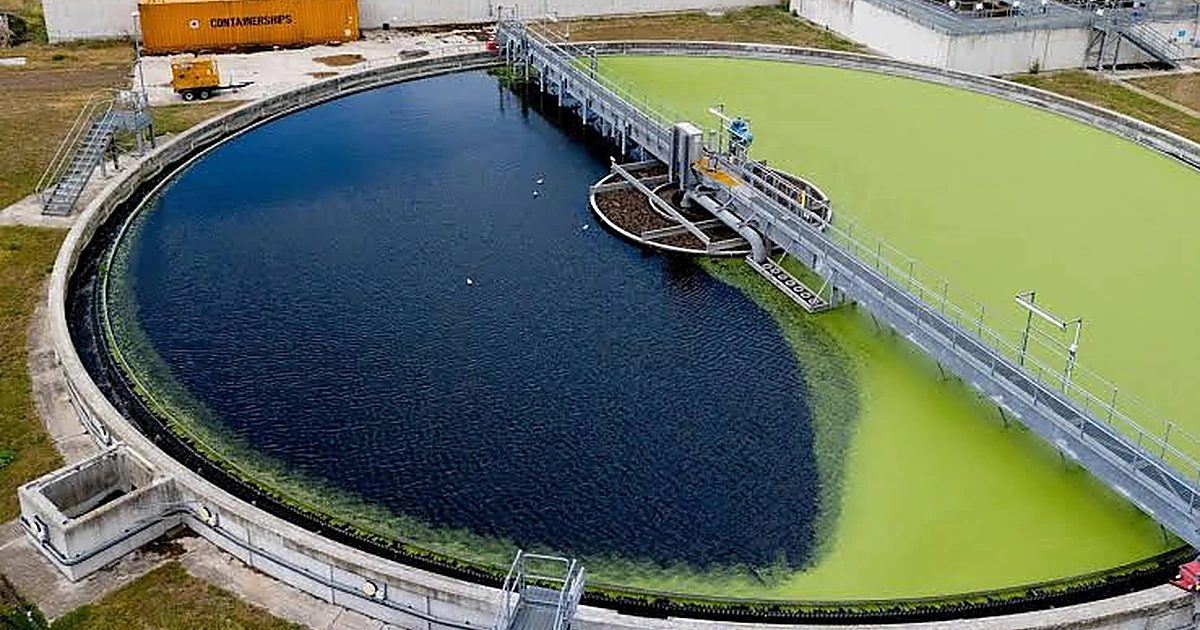
These technologies are already used in parts of Europe, North America and Asia, but have not spread widely in developing countries. In South Africa, initial steps are being taken, including the introduction of ultraviolet treatment into the development of some stations in Cape Town.
These efforts demonstrate how modernizing sanitation plants can contribute to achieving target 9.1 of Sustainable Development Goal 9, on industry, innovation and infrastructure, by developing reliable and sustainable infrastructure.
These investments also have a health dimension related to the third goal of the Sustainable Development Goals, concerned with good health and well-being, as improving water treatment can help limit the spread of antibiotic resistance genes and reduce the risks they may pose to public health.
Antibiotic resistance is a health and environmental issue
The study reveals that combating antibiotic resistance requires cooperation that goes beyond the medical sector, to include engineers, microbiologists, water and public health experts, and policy makers.
Society also needs greater awareness of the relationship of medicines to water, including responsible disposal of antibiotics and not throwing them into drainage networks, in addition to following preventive measures when in doubt about the safety of water sources.
In this context, be careful The Earth Guards Foundation The study results redefine the role of sanitation systems in protecting public health. The success of treatment is measured by the number of bacteria eliminated, and also by its ability to reduce resistant genetic material.
This reveals that modernizing surveillance, technologies and infrastructure has become necessary to prevent the transmission of antibiotic resistance between water, the environment and communities, especially with increasing water scarcity and reliance on its reuse.


