

Health Insurance Authority hosts panel discussion on latest developments in healthcare system
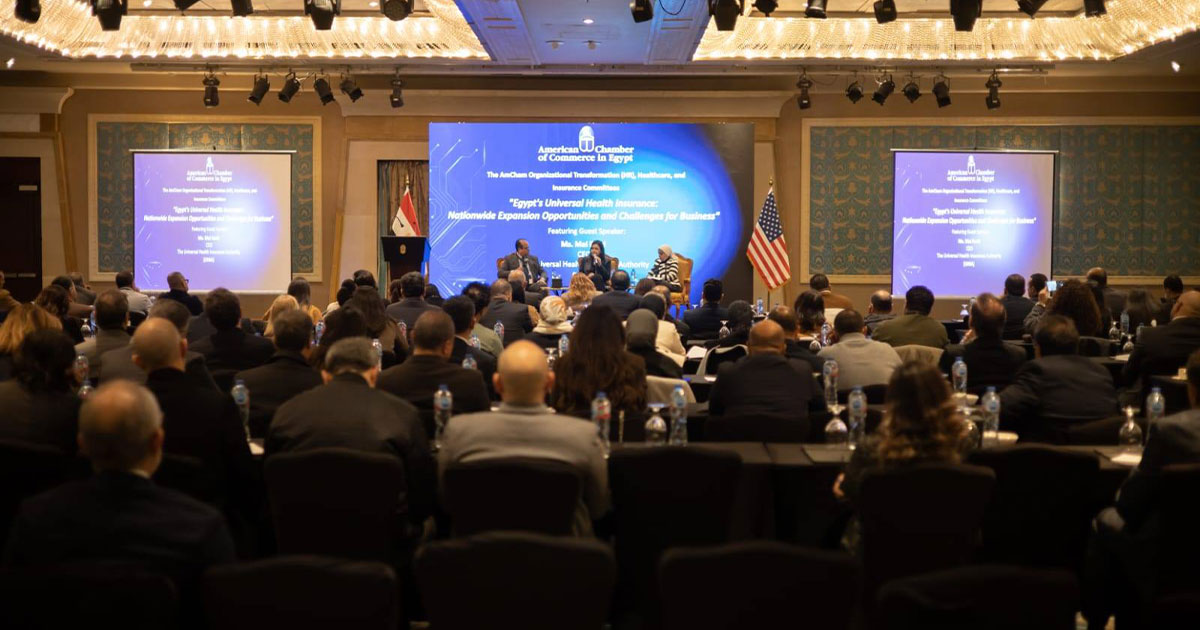

A dialogue session with the participation of the Health Insurance Authority to discuss the most prominent developments in the health system
The Egyptian government is making unremitting efforts in the health sector, and one of these efforts is the launch of the comprehensive health insurance system, which is an essential pillar for ensuring equitable and sustainable access to health services for all, as it contributes to alleviating the financial burdens resulting from disease and improving the standard of living of citizens. This system works to provide comprehensive and safe health coverage for the Egyptian family, while ensuring the quality of services by contracting with the best service providers and reviewing the equipment periodically.
The comprehensive impact ofhealth insurance extends to include achieving comprehensive Sustainable Development Goals (SDGs), by supporting economic growth, creating job opportunities in the health sector, achieving good health and well-being, promoting innovation, and ensuringResponsible consumption and production of health resources. The importance of the system is highlighted in its partnership with the private sector to ensure its continuity and integration with other insurance systems, making it a practical model for integrating health justice and economic and social sustainability within Egypt’s Vision 2030.
Comprehensive health insurance and strengthening partnership with the private sector
In this context, the General Authority for Comprehensive Health Insurance participated in a dialogue session held by the American Chamber of Commerce in Cairo, in the presence of a large number of representatives of companies operating in the Egyptian market, within the framework of the community dialogue on the national expansion of the comprehensive health insurance system, and strengthening the partnership with the business community and the private sector.
During the session, Ms. Mai Farid, Executive Director of the General Authority for Comprehensive Health Insurance, reviewed the philosophy of the system and its legislative and regulatory foundations,She explained that the Egyptian state has witnessed over the years the implementation of a number of health care and insurance systems, but the lack of integration between them, and the absence of comprehensive health coverage for the family, imposed the necessity of establishing an integrated and sustainable health system that guarantees fair access to health services.

Comprehensive structural reform of the health system
The Executive Director stressed that the comprehensive health insurance system represents a comprehensive structural reform of the health system, and not just an insurance system, as this necessitated restructuring the health system by separating the financing, service provision and quality control bodies, in accordance with the provisions of Law No. (2) of 2018, through the establishment of three independent bodies:
- General Authority for Comprehensive Health Insurance
- Welfare AuthorityHealth
- Health Accreditation and Control Authority.
The session discussed the mechanisms of trial operation and official operation in the governorates, where Ms. Mai Farid explained that collecting subscriptions and financial obligations from citizens and companies does not begin until after an official decision is issued for the governorate to enter the official operation stage, after all technical and administrative preparations have been completed, and readiness is evaluated through a coordination committee that includes the relevant authorities.
Financial sustainability of the comprehensive health insurance system
The session also reviewed the financial sustainability aspects of the comprehensive health insurance system, where the Executive Director confirmed that the system relies on diverse and stable funding sources, ensuring its ability to fulfill its obligations towards service providers and continue providing high-quality health services, while implementing mechanismsFor the strategic purchase of services, and pricing and payment systems that support efficiency, rationalize spending, and enhance the optimal use of resources.
The session discussed the role of private insurance companies in supporting and integrating the comprehensive health insurance system, where Ms. Mai Farid stressed that the system does not aim to exclude any party to the health insurance market, but rather is based on the principle of integration between different insurance systems, allowing private insurance companies to continue providing complementary health coverage, and expanding the scope of their services, in a way that meets the needs of different categories of citizens and companies.
Reducing the financial burden resulting from illness
The Executive Director of the Authority confirmed that the main goal of the comprehensive health insurance system is to reduce the financial burdens resulting from disease, improve the standard of living of citizens, and provide comprehensive and safe health coverage for the Egyptian family, while ensuring quality.Health services provided through contracting with the best accredited service providers, and reviewing and renewing contracts periodically in accordance with approved quality standards.
In her message to company representatives, the Executive Director stressed the importance of early cooperation and coordination with the system, and raising the level of awareness among companies’ employees, especially during the trial operation periods in the new governorates, stressing that the comprehensive health insurance system depends on effective partnership with the private sector as it is a key partner in the success and sustainability of the system.
In conclusion, the General Authority for Comprehensive Health Insurance affirmed its keenness to strengthen cooperation with the business community and the private sector, and to support initiatives and ideas that contribute to developing the system during the upcoming expansion stages, ensuring the full implementation of the comprehensive health insurance system at the level of the Republic, and achieving its health goals.And social.
In light of what was presented during the session, it is clear that the comprehensive health insurance system constitutes an integrated national project to rebuild the health system on the foundations of justice, sustainability, and efficiency, and dialogue with the business community and the private sector reflects a conscious awareness that the success of the system’s national expansion is linked to its ability to achieve integration between financing, service provision, and quality assurance, while building effective partnerships that ensure continuity and improve the level of health services provided to citizens.
In this context,The Earth Guards Foundation appreciates the efforts of the comprehensive health insurance system in achieving a number of Sustainable Development Goals (SDGs), most notably the third goal (good health and well-being) by providing safe and comprehensive health coverage for the Egyptian family, and the eighth goal (decent work and economic growth) by supporting investment in the sector.health care and creating sustainable job opportunities, and the ninth goal (industry, innovation and infrastructure) through developing the health infrastructure and improving the efficiency of services.


