

Protecting biodiversity…Does overfishing threaten the global ecological balance?
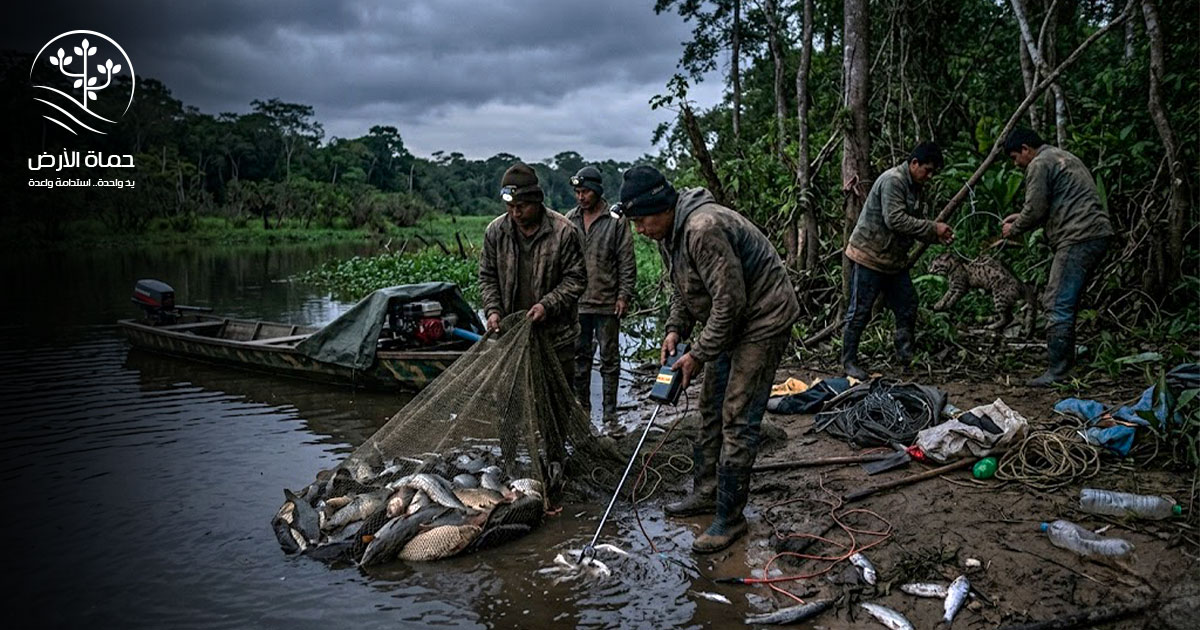

Protecting biodiversity.. Does overfishing threaten the global ecological balance?
Global concerns related to the protection ofbiodiversityare increasing in light of the escalation of illegal wildlife trade activities, which have become one of the most prominent environmental threats facing natural systems around the world. These activities include poaching, smuggling of rare animals, and the illegal sale of parts of wild creatures, which threatens the stability of many species and directly affects the global ecological balance.
Environmental and international reports indicate that this illegal trade has transformed in recent years into a huge economic activity managed by cross-border networks, taking advantage of the high global demand for some animals and their products, whether for ornamental purposes, traditional medicine, or the illicit trade in rare pets.
Environmental experts also warn that the continuation of these activities leads to an acceleration in the loss of wild species and a decline in the numbers of endangered species, especially in areas that suffer from weak environmental control and a decline in natural protection capabilities.
The repercussions of this phenomenon extend to ecosystems, food chains, and the natural balance within forests, terrestrial and marine areas, which has a direct impact on environmental sustainability, natural resources, and global food security.
This file is linked to the Sustainable Development Goals (SDGs), especially Goal 15 related to life on land, and Goal 12 related to responsible production and consumption, in addition to Goal 16 related to confronting crime and strengthening institutions, as protecting biological diversity has become an essential part of efforts to preserve the environment and achieve sustainable development.
Biodiversity and the risk of losing wild species
The loss of wild species represents one of the most serious challenges facing global biodiversity, especially with increasing pressures resulting from poaching, destruction of natural habitats, urban expansion, and unsustainable human activities.
Land organisms play essential roles in maintaining the stability of ecosystems, whether by regulating food chains or supporting the natural balance between different species within terrestrial and marine environments.
Environmental experts also warn that the disappearance of some species may lead to widespread disturbances within ecosystems, including affecting soil fertility, vegetation cover, and water resources, in addition to reducing the ability of natural systems to adapt to climate change.
Many studies indicate that the current rates of biodiversity loss are among the fastest in modern history, which raises concerns related to the ability of ecosystems to continue to provide the vital services on which humans and the global economy depend.

Illegal wildlife trade and environmental crime
Illegal wildlife trade has become one of the most prominent forms of cross-border environmental crime, as it relies on smuggling networks and black markets that target rare animals and their products in violation of international laws. These activities include the smuggling of ivory, animal skins, rare birds, reptiles and marine creatures, in addition to the exploitation of some species for commercial, recreational or medical purposes.
This trade also contributes to increasing pressure on endangered species, especially in areas that suffer from weak environmental control or limited capabilities to protect wildlife. Environmental experts confirm that the large profits associated with this trade make it one of the most widespread illegal activities globally, in addition to its sometimes connection to organized crime networks, money laundering, and international smuggling.
This highlights the need to strengthen international cooperation and develop legislation and environmental oversight, to confront criminal networks and reduce demand for products associated with threatened wildlife.
Wildlife and ecological balance
Wildlife is directly linked to maintaining the stability of ecosystems, as living organisms contribute to regulating natural processes within forests, oceans, rivers, and wild areas. Animals and plants also help maintain soil fertility, transfer seeds, and regulate the numbers of different organisms within food chains, which is reflected in the stability of ecosystems in general.

The decline in the numbers of some species leads to environmental imbalances whose effects may extend to the agricultural, water and food sectors, especially in areas that rely heavily on natural resources and biodiversity.
Healthy ecosystems are also linked to their ability to absorb carbon and mitigate the effects of climate change, which makes wildlife protection an essential part of global efforts related to environmental sustainability and climate action.

Biodiversity and Environmental Sustainability
Conserving biodiversity is directly linked to achieving environmental sustainability, especially with the role that natural systems play in supporting climate, water resources and food security. Balanced ecosystems contribute to enhancing the ability of societies to confront climate change and natural disasters, in addition to maintaining the stability of natural resources in the long term.
Many studies indicate that the decline in biodiversity may lead to increased fragility of ecosystems and reduce their ability to provide vital services on which humans and the economy depend. Environmental institutions also warn that continued pressure on wildlife may lead to environmental and economic losses that will be difficult to compensate for in the future, especially with the increasing impact of climate change on natural resources.
This reflects the importance of integrating wildlife protection into environmental and development policies, in a way that supports sustainability and enhances the balance between economic activities and the preservation of natural resources. It also highlights the importance of strengthening international cooperation and developing more effective policies to protect threatened species and limit illegal activities that affect the global environmental balance.
Environmental experts confirm that protecting wildlife has become linked to food security, climate stability, and the sustainability of natural resources, especially with the increasing reliance on ecosystems to support economies and societies.
For its part,The Earth Guards Foundation confirms that protecting biological diversity represents one of the basic pillars of achieving environmental sustainability, especially with its connection to preserving natural resources, supporting the stability of ecosystems, and enhancing the ability of societies to face climate and environmental challenges in the long term.


