

Electronic waste…the hidden environmental impact of modern technology

Electronic waste…the hidden environmental impact of modern technology
Digital devices are increasing in our lives at an unprecedented pace, from smartphones and computers to smart watches and speakers. However, this widespread use hides an accumulated environmental impact that exceeds the consumption of electricity during use. This periodic increase leads to an increase in electronic waste, becoming today one of the fastest growing types of waste globally, reflecting a hidden aspect of digital transformation that does not receive sufficient attention.
With the expansion of reliance on cloud services, artificial intelligence, and digital broadcasting, it becomes necessary to understand the entire life cycle of a device, from the moment of its manufacture until its disposal, to read its true impact on the climate and resources.
Life cycle of devices and formation of electronic waste
The environmental footprint of devices begins before they reach consumers’ hands. The manufacturing stage is considered the most energy-intensive, as it requires the extraction of rare minerals such as lithium, cobalt and rare earth metals, processes that are associated with widespread environmental degradation and high water consumption. Complex supply chains and multi-stage manufacturing also generate significant carbon emissions, meaning that a significant portion of the environmental impact is achieved before the device is turned on for the first time.
When the device enters the use phase, the impact continues through the consumption of electricity and the operation of large data centers that support cloud storage, live broadcasting, and digital communication. Estimates suggest that digital activities, such as watching videos or managing email, could account for a significant proportion of the individual carbon budget needed to limit global warming to 1.5°C. As digital infrastructure continues to expand, the global contribution of data storage to total emissions is expected to rise over the coming decades, paving the way for the final stage of the life cycle: device disposal.

Electronic waste: an accelerating challenge
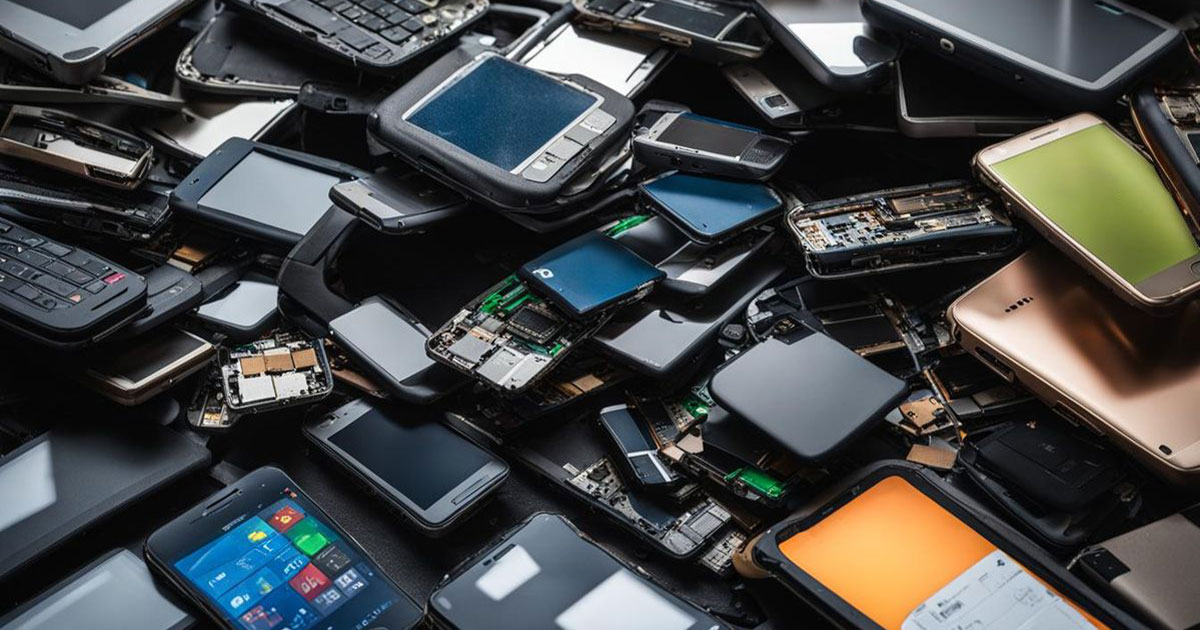
Electronic waste represents the most problematic link in the life cycle of devices. With update cycles accelerating and new models constantly appearing, the amount of devices replaced is increasing annually. Although these products contain recoverable precious metals, less than a quarter of global e-waste is subject to regulated recycling. If disposed of improperly, toxic substances such as lead, mercury and cadmium can leach into soil and water, threatening ecosystems and human health.
What is knownplanned obsolescencealso contributes to reducing the lifespan of devices, as some products are designed in a way that makes replacing them faster than repairing them. As a result, emissions associated with electronics and electronic waste have risen significantly in recent years. The impact of this accumulation goes beyond the environmental aspect, to include economic and social dimensions, especially in countries that receive shipments of electronic waste without sufficient infrastructure to treat it. To understand this impact more accurately, the discussion leads us to measure the carbon footprint of this sector.
Measuring your digital carbon footprint
The environmental impact of devices can be understood through three main indicators: manufacturing emissions, electricity consumption during use, and the volume of electronic waste generated. For example, one year of incoming emails can produce emissions equivalent to hundreds of kilometers of driving in a conventional car. Cloud storage and continuous broadcasting also contribute to raising the demand for energy, especially in areas that depend on fossil fuels.
Tracking personal usage patterns, such as monitoring screen time or managing storage, helps identify areas for improvement. Hence, moving from thoughtless consumption to conscious management becomes an essential step in reducing the cumulative impact of technology, which is consistent with the comprehensive Sustainable Development Goals (SDGs) concerned with achieving responsible consumption and production, and climate action.

From purchasing to recycling: practical steps
The environmental footprint of digital devices can be reduced through gradual practices that begin before purchase. Choosing refurbished or used equipment extends the life of existing products and reduces demand for new manufacturing. When purchasing new appliances, choosing models with high energy efficiency contributes to reducing emissions in the long term.
During use, disconnecting unused chargers and activating power saving modes helps reduce invisible electricity consumption. Updating the software and replacing damaged batteries can also extend the life of the device. After end of use, certified recycling or donating working devices represents an effective way to reduce the accumulation of electronic waste and recover valuable materials.
Towards a circular economy in the technology sector
The concept of the circular economy emerges as a practical framework for addressing the roots of the electronic waste crisis, by moving from the “production, consumption, then disposal” model to a system based on prolongation, recovery, and reintegration. In the context of digital devices, this means designing products to be repairable and upgradeable components rather than replacing the entire device, while making it easy to disassemble them to recover precious metals and high-quality plastics and put them back into the production cycle.
This trend reduces the increasing pressure on mining operations, especially for rare metals used in batteries and electronic chips, and reduces emissions associated with energy-intensive primary production. It also contributes to reducing the volume of electronic waste heading to landfills or informal treatment, thus reducing the health and environmental risks associated with it.
At the market level, the circular economy opens the way for new business models based on maintenance, remanufacturing, device leasing, and take-back programs, which redistribute value across the supply chain instead of focusing it on constantly selling new units. Thus, dealing with digital devices is transformed from quick, short-term consumption to sustainable management of their life cycle, in direct harmony with the call presented by the article to reduce the digital carbon footprint and address the hidden environmental cost of technology.

In conclusion, the problem of electronic waste is represented by an economic and technical model based on a constant acceleration in replacement, in exchange for an apparent slowness in managing the environmental burdens left behind by this acceleration. Every phone replaced prematurely, every device thrown away untreated, means a new drain on minerals, energy, and water, and it also means that digital transformation may achieve apparent efficiency while shifting its real costs to the climate, resources, and health of communities least able to cope.
Hence, dealing with modern technology becomes a test of the world’s ability to harmonize innovation and sustainability, not a conflict between them. The solution is based on repairable design, extending operational life, adopting a circular economy, and establishing more conscious consumption patterns. This clearly intersects with the Sustainable Development Goals (SDGs), especially Goal 12 on responsible consumption and production, and Goal 13 on climate action, in addition to Goal 9 related to industry, innovation and sustainable infrastructure.
Hama FoundationEarth indicates the necessity of managing this hidden cost, and that addressing it requires individual awareness, a shift in production models, and integration with sustainability policies. When the decision to purchase a new device becomes part of a broader equation related to climate and resources, the daily use of technology turns into a more balanced practice, capable of supporting development without deepening the environmental crisis.


