

Egyptian Drug Authority Reviews Plan to Boost Pharmaceutical Security
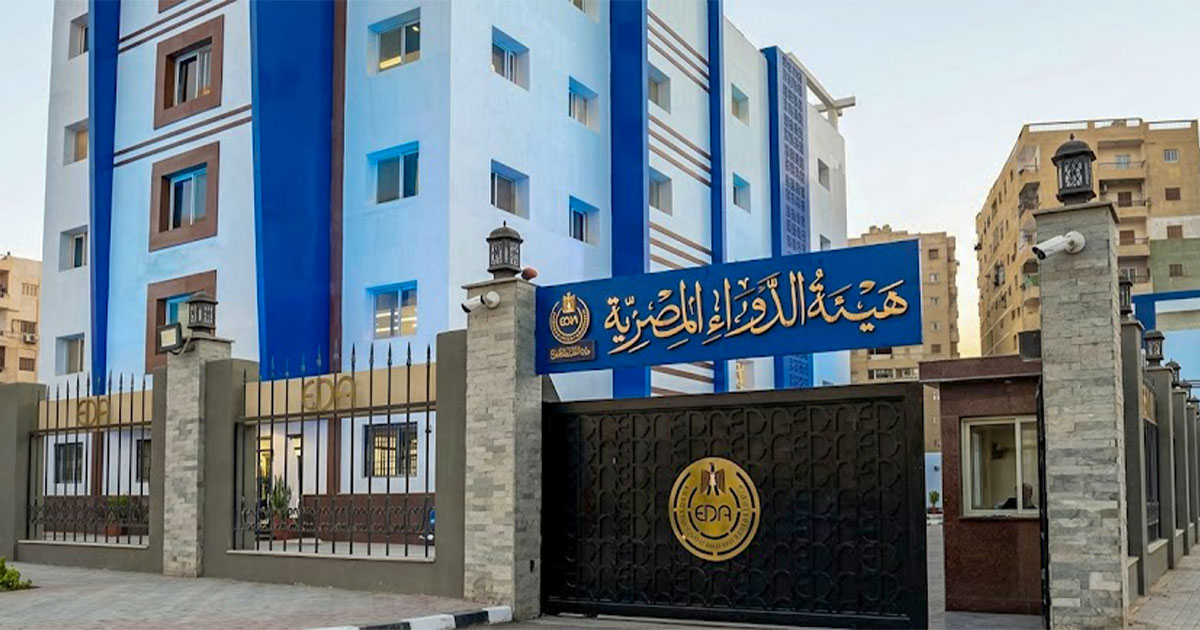

The Egyptian Medicines Authority is following up on the development plan to research enhancing drug security
Drug security represents one of the basic pillars for achieving a sustainable health system. Its importance extends to enhancing the ability of countries to confront health challenges, secure their needs for vital preparations, and build a production system capable of responding to local and global changes.
From this standpoint, developing the pharmaceutical industry and localizing its technologies has become a major part of the path of comprehensive development, in a way that supports the right to health and enhances the quality of life.
In the context of striving to achieve Sustainable Development Goals (SDGs), national efforts are directed towards consolidating the concept of pharmaceutical security by supporting local manufacturing, securing supply chains, and raising production efficiency in accordance with the highest quality standards.And effectiveness. Having a strong pharmaceutical system enhances the independence of the health sector, and also contributes to supporting the national economy, encouraging innovation, building a more competitive pharmaceutical sector and achieving sustainable health development.
Strengthening cooperation to achieve drug security
In this context, the Egyptian Medicine Authority held the seventeenth meeting of the Board of Directors, headed by Dr. Ali Al-Ghamrawi, Chairman of the Authority, at its headquarters in the New Capital, as part of following up on plans to develop the pharmaceutical system in a way that supports achieving pharmaceutical security and localizing the pharmaceutical industry in Egypt.
The Authority’s Board of Directors meeting was attended by Prof. Dr. Khaled Abdel Ghaffar, Minister of Health and Population, Dr. Mohamed Farid Saleh, Minister of Investment and Foreign Trade, Prof. Dr. Mohamed Awad Taj El-Din, Advisor to the President of the Republic for Health and Prevention Affairs, and Dr.Hisham Steit, Chairman of the Board of Directors of the Egyptian Authority for Unified Purchasing, Medical Supply and Supply, and Medical Technology Management, and Professor Dr. Ahmed Taha, Chairman of the General Authority for Health Accreditation and Supervision.
Localization of the pharmaceutical industry to achieve self-sufficiency
The Council meeting dealt with following up on the implementation of plans to localize the pharmaceutical industry to ensure the availability of medicines and the stability of the strategic stock to meet the needs of the local market, with a focus on achieving self-sufficiency, especially in the biopharmaceuticals sector.
The attendees also discussed ways to support the local pharmaceutical industry and enhance investment by encouraging the manufacture of pharmaceutical raw materials, and developing the capabilities of Egyptian factories to increase production and export capacity, which contributes to consolidating Egypt’s position as a leading regional center for the manufacture and export of medicine in the continent of Africa and the East region.Middle.
This path also supports the ninth goal of the Sustainable Development Goals (SDGs) related to industry, innovation, and infrastructure, by strengthening national manufacturing capabilities, encouraging technology transfer, and building a more competitive pharmaceutical sector.
During the meeting, the most prominent developments in the Egyptian pharmaceutical market and efforts to develop the pharmaceutical system were reviewed to improve the efficiency of the sector and enhance its ability to keep pace with changes and achieve pharmaceutical security.

Institutional integration to enhance drug security
During its meeting, the Council stressed the great importance of continuous integration and coordination between government agencies concerned with the health, industry, investment and medicine sectors, to ensure support for the implementation of the goals of Egypt’s Vision 2030, and to raise international and regional competitiveness.For the Egyptian pharmaceutical sector.
For his part, Dr. Ali Al-Ghamrawi stressed that the authority places at the top of its priorities ensuring the continuous compatibility of pharmaceutical and medical preparations in the local markets, with a strict commitment to applying the highest standards of quality, safety and effectiveness that are internationally recognized, pointing to the reliance on integrated work mechanisms in coordination with all partners in the health system to monitor drug stock balances periodically, in a way that ensures the maintenance of national pharmaceutical security.
Development of the pharmaceutical system
The head of the Egyptian Pharmaceutical Authority added that the Authority is moving forward towards providing the necessary facilities and support to pharmaceutical industry partners. With the aim of localizing the production of vital products and transferring modern manufacturing technologies to national factories, stressing that these steps aim to secure and stabilize supply chains for the Egyptian citizen, and also seekTo open new export horizons that support the competitiveness of Egyptian medicine in regional and international markets.
This comes within the framework of the Egyptian Medicine Authority’s keenness to implement its strategic plans to develop the pharmaceutical system, achieve self-sufficiency in medicine, and ensure the availability of safe and effective preparations for the Egyptian citizen, in accordance with the highest international quality standards.

In conclusion, achieving drug security has become one of the components of health and economic stability, and one of the indicators of the ability of countries to build flexible systems capable of facing challenges and changes. Every step towards localizing the pharmaceutical industry, strengthening supply chains, and raising quality standards represents a direct investment in people and in a future more capable of achieving Goal (3) of the Sustainable Development Goals (SDGs) of achieving good health and well-being.
From this standpoint, The Earth Guards Foundation believes that developing the pharmaceutical system opens the way to building a national sector that possesses the elements of competition, innovation, and openness to regional and international markets. Having the ability to produce and secure medicine according to the highest international standards reflects the integration of health, industry and investment goals, and confirms that true development begins with protecting human health and ensuring their access to safe and sustainable care.


