

How Egypt Provided a Global Model for Protecting Biodiversity
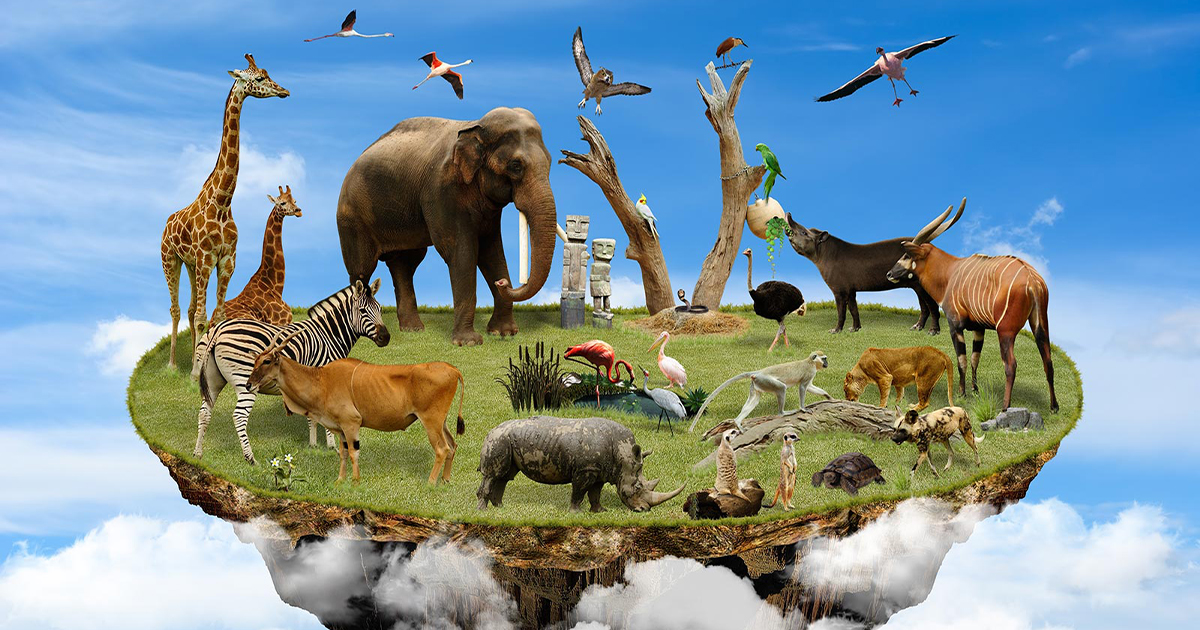

How did Egypt provide a global model for protecting biodiversity?
In light of the increasing environmental challenges, and a commitment to a more sustainable future, Egypt continues to consolidate its position as a global role model in protecting biodiversity and preserving natural resources, as data recently issued by the Egyptian Prime Minister’s Media Center revealed a package of ambitious projects and bright achievements that translate this commitment into tangible reality.
That is whyEarth Guardsin this article reviews how Egypt has succeeded in translating this commitment into comprehensive strategies and practical initiatives over the past few years, starting with its ambitious national plans, through rehabilitation and environmental monitoring projects, all the way to rescue and species protection efforts.threatened; Let us thus reveal an integrated model that combines environmental protection and sustainable development. So keep reading.
National Biodiversity Strategy
Because confronting increasing environmental challenges can only be achieved through well-thought-out plans, the National Biodiversity Strategy 2015-2030 came to be Egypt’s path towards preserving its natural resources, aiming to expand the scope of natural reserves and develop environmental resources in a sustainable manner. To ensure the survival of natural resources for future generations. This comprehensive framework reflects a clear Egyptian vision towards integrating environmental protection into the fabric of comprehensive national development, through an integrated environmental system, starting with expanding the network of reserves, and extending to rescue and monitoring programmes, passing through international cooperation and community initiatives.
One of the most prominent features of this ambitious strategy is the localization programme2000 birds of the Houbara bustard __EG_PH_18 in the Al-Ameed Reserve in the New Valley Governorate, which is the result of fruitful cooperation with the United Arab Emirates and the International Fund for Houbara Conservation. This vital project aims to rehabilitate this endangered species; Which highlights the importance of international partnerships in achieving species protection goals.
In addition, Egypt has strengthened its network of natural reserves to reach 30 protected areas, covering an area exceeding 146 thousand square kilometers, equivalent to about 14.6% of the country’s total area. These reserves – such as the Ashtoum Al-Gamil Reserve, which is concerned with sea turtles and the Wadi El-Gemal Reserve, which is concerned with monitoring threatened species – embody a firm commitment to preserving unique ecosystems. 13 natural reserves have also been developed to become tourist destinations. This alone contributed to increasing the total income of natural reserves by 40% during the year2024 compared to 2023.
International Achievements
Egypt’s efforts were not limited to the local scope, but rather extended to consolidate its position as a global leader in the field of environmental protection through its bright international contributions and achievements, as the Wadi al-Hitan area was selected on the “green” list of protected areas of the International Union for Conservation of Nature (IUCN) in 2018; Which is a milestone in this context, confirming that this region is a strategic location for environmental sustainability.
The matter did not stop there, as the “Migratory Bird Conservation” project won the “Best Global Practices” award from the Global Environment Facility (GEF) in 2022; To become a role model for bird protection through international cooperation, and demonstrate how local efforts can resonate globally. Moreover, Egypt was hosting the Conference of the Parties (COP)The Fourteenth Convention on Biological Diversity (COP14) in Sharm El-Sheikh in 2018 was a pivotal event that confirmed its role as a regional center for environmental policymaking. Which enhances its ability to influence global agendas.
All of these achievements translate into tangible progress, as the Global Biodiversity Index saw Egypt’s ranking upgrade from 124th in 2022 to 95th in 2024, according to the “Environmental Performance Index” website, which reflects the extent of the efforts made, achieving progress of 29 places.
Monitoring Threatened Species
In this context, Egypt pays special attention to monitoring rare species and implementing specialized rescue programs. To ensure the continuity of endangered wildlife, these vital initiatives are an essential part of the sustainable development strategy, as they seek to ward off the risks of extinction and maintain balance.Environmental.
These efforts included monitoring 5 endangered species in the Wadi El Gemal Reserve, in addition to starting the first specialized program to monitor and track sharks in the Red Sea, which reflects a commitment to expanding the scope of monitoring to include vital marine environments. Not only that, a bird-watching center was developed at the oxidation stations in Sharm El-Sheikh and Gabal El-Zeit, to monitor birds, in addition to training specialized teams on various environmental monitoring programs. Which contributes to building local capabilities.
To provide immediate support to animals in danger, the Cairo Wildlife Rescue Center was established; To provide veterinary care and rehabilitation of these animals; In preparation for returning them to their natural habitats, these centers and programs confirm that efforts to preserve biological diversity are not limited to protection only, but extend to include effective intervention.To save threatened species.
Protecting ecosystems
Egypt realizes that protecting biological diversity does not occur in isolation from protecting the ecosystems that embrace it. Therefore, it paid special attention to fragile ecosystems, whether marine or terrestrial, and one of the most prominent of these efforts is the “Safe Haven for Wildlife” project in the Wadi Al Rayyan Reserve, which aims to protect the petrified forests and the unique valley area. Egypt is also focusing on implementing an ecosystem restoration program, including mangroves and degraded coral reefs, with the aim of enhancing sea health, increasing the number of sea turtles, and supporting eco-tourism, which links environmental preservation with achieving sustainable economic returns.
Egypt did not neglect to link efforts to preserve biodiversity with combating climate change, through its hosting of the twenty-seventh Conference of the Parties (COP) to the United Nations Convention.United Nations Framework Convention on Climate Change (COP27) in Sharm El-Sheikh in 2022. This conference discussed the pivotal role of biodiversity conservation policies as an essential link between the environment and the economy, emphasizing that the sustainability of ecosystems is the key to resilience in the face of climate challenges.
Partnerships for a green future
Because the sustainability of ecosystems requires concerted efforts that go beyond the borders of one country, Egypt has placed international and local cooperation at the heart of its strategies for preserving biodiversity. To take an integrated approach that contributes to achieving Sustainable Development Goals (SDGs), and paves the way for expanding the scope of positive impact through effective and innovative partnerships.
This cooperative vision is embodied in the initiative to announce the first twinning between Egypt and Jordan to establish joint protection areas for wildlife, which reflects a regional commitment to protecting resources.Transboundary nature. Egypt is also strengthening its partnerships with prominent international organizations such as the International Union for Conservation of Nature (IUCN) and the Global Environment Facility (GEF) to finance and implement mega projects.
A prominent example of this cooperation is the modification of the International Union for Conservation of Nature’s assessment of the Wadi al-Hitan site from “Good with some concerns” in 2017 to “Good” in 2020. Which demonstrates the positive impact of these partnerships in raising levels of protection and management. It is worth noting that these partnerships not only provide financial and technical support, but also contribute to exchanging experiences and building capabilities. Which puts Egypt at the forefront of countries adopting a comprehensive approach to preserving global biodiversity.
These successive achievements, revealed by official data, confirm that Egypt is not content with setting ambitious plans, but rather translating them into a tangible reality that enhances its position.Earth Guardsbelieves that this march towards sustainability reflects a deep commitment to a future in which development is balanced with the preservation of nature’s treasures.


