

World Bank boosts basic education quality in Africa, shaping a better future for children
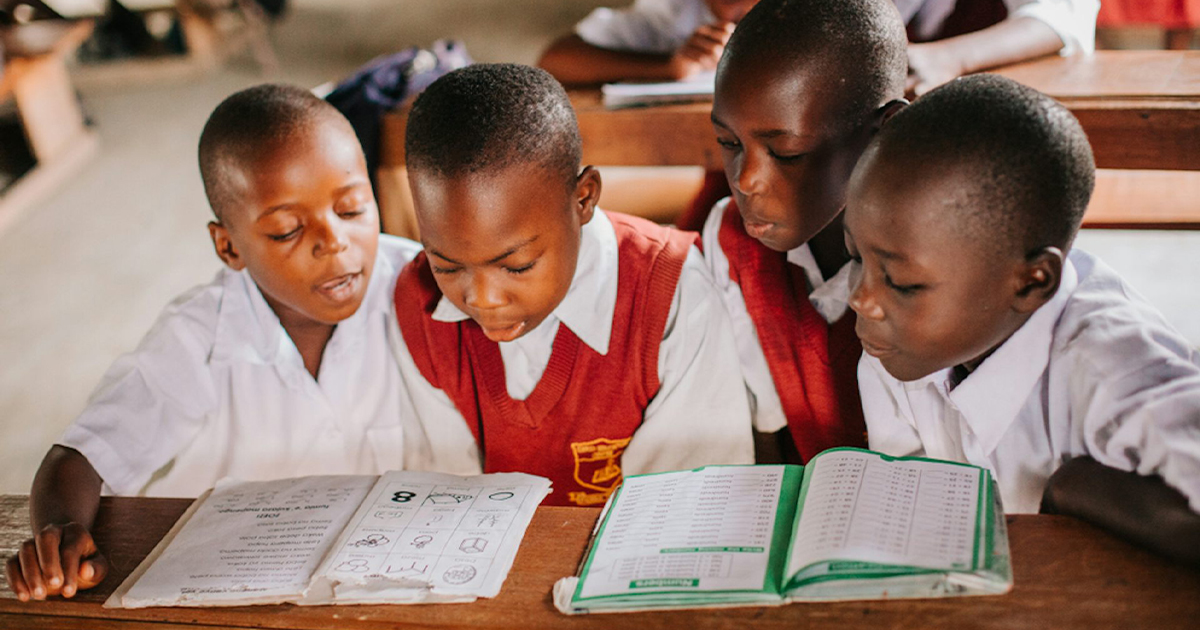
The World Bank enhances the quality of basic education in Africaand creates a better future for children
In an unprecedented step on the African continent, the World Bank announced the launch of a huge regional program aimed at promoting basic education and improving its results in East and Southern Africa, to benefit more than seventy million children.
The new initiative called“Advancing Innovative Methods to Promote Learning–” AIM4Learning) represents an investment worth more than one billion dollars, and is a step that confirms that education is no longer a national issue confined within the borders of each country.country, but rather a collective responsibility that requires international and regional cooperation.
The importance of this program is evident in its ability to address the learning crisis that has been plaguing the region for years, as school dropout rates are rising, and achievement levels are declining, at a time when the continent is witnessing rapid population growth that makes education the cornerstone of future development and stability.
From here you will discussThe Earth Guards FoundationIn this article, the dimensions of this initiative, its importance in achieving the goals of sustainable development, and how the participating countries in its first phase can form living models to study the feasibility of educational reforms.
The education crisis in Africa
Despite the successes achieved by sub-Saharan African countries during the two decadesAs for the last two – including expanding school enrollment – the reality reveals a deep crisis in the quality of education. Statistics indicate that only 11% of ten-year-old children are able to read and understand simple text. This number reflects a serious gap between high enrollment rates and low learning outcomes.
The matter does not stop there; There are approximately 14 million children of basic education age out of school, a number that is likely to increase if radical measures are not taken. This situation reflects a complex crisis. Quantitative expansion in education has not translated into qualitative improvement in outcomes. Many factors combined to exacerbate this crisis, including the repercussions of the “Covid-19” pandemic, which deprived millions of children of regular education, in addition to the economic and social crises that affected the ability of families to keep their children in school.
These situations put the region in front of a strategic challengeIt is directly linked to the Sustainable Development Goals (SDGs), especially Goal 4 which states “Ensure equitable and inclusivequality education for all, and promote lifelong learning opportunities”; If children remain without education – or their education is of poor quality – this means the continuation of the cycle of poverty and unemployment, and the faltering of efforts to achieve social justice and economic development.

Foundations of the new program
AIM4Learning is a comprehensive response to these challenges. The program is based on four main axes that seek to bring about a transformation in the structure of African education:
- Improving learning environments to become more relevant and inclusive.
- Developing and strengthening educational staffIts efficiency.
- Strengthening management and financing systems to ensure sustainability.
- Encouraging cooperation between countries to exchange experiences and best practices.
These pillars are not just theoretical goals, but rather a practical plan to change the reality of education on the continent. The program focuses on integrating digital technology into education, whether for children inside schools, or those who were unable to enroll.
The program also includes reorganizing the methods of delivering school curricula, strengthening assessment and examination systems to reflect the true capabilities of students, in addition to consolidating the principles of effective governance and decentralization in school administration.
What distinguishes this program is that it does not impose a single model on all countries, but rather allows each country to choose the solutions that suit its most specificities and needs.Urgent. This flexible approach reflects a deep awareness that educational challenges in Africa are not homogeneous, and that success requires solutions tailored to the local context.
ModelComoros
An educational program was designed in the Comoros aimed at supporting approximately 130,000 students in public schools, with a focus on raising the quality of the educational process through training teachers and developing their skills in line with the growing needs of students.
This initiative is not only limited to expanding access to education, but also aims to build an educational environment capable of keeping pace with global changes and local challenges, especially in light of the limited resources that the country suffers from.
Although the Comoros is considered one of the smallest countries in size and the least populated – compared to other countriesAnother African experience – this experience clearly shows the importance of international support in strengthening the capabilities of small and island states. Because it highlights how globally funded initiatives can make a fundamental difference in communities suffering from financing and infrastructure difficulties, transforming weaknesses into opportunities to truly transform education and achieve sustainable development.

Technology is a tool for change
One of the most prominent features of the new program is its reliance on technology, as a means of bringing about a qualitative shift in education. Digital media provide unprecedented opportunities to reach children in remote areas, and help provide educational content that is flexible and adaptable to the needs of learners.
But technology is not just tools, but rather an integrated system that requires a strong infrastructure, qualified teachers,And curricula capable of absorbing innovation. Hence the emphasis on building partnerships with international organizations, such as(Global Partnership for Education(Global Partnership for Education–), which It contributes to providing funding and expertise, and ensures that technological solutions are appropriate to local contexts.
This trend intersects with the Sustainable Development Goals (SDGs), especially the ninth goal related to industry, innovation, and infrastructure, as investing in educational technology can also create new job opportunities, enhance local innovation, and reduce the gaps between different social groups.

Education is the pillar of sustainable development
Cannot lookTo the new education program in isolation from sustainable development; Education is the foundation on which all other goals are built. An educated child has greater opportunities to break the cycle of poverty, can contribute to the economy, protect his environment, and participate in decision-making.
From this standpoint, investing in education is an investment in the future of the entire continent. Because it opens the door to political stability, enhances social integration, and supports the building of societies more capable of adapting to climate and technological changes. Quality education constitutes the bridge that links development ambition and achieving justice and prosperity for future generations.
Therefore, the World Bank program confirms that the African continent faces a historic opportunity to reshape the future of its education. Investing in education is not a secondary option, but rather a strategic necessity that determines the features of development in the coming decades.If the initiative succeeds in achieving its goals, millions of children will be able to obtain fair educational opportunities. This opens the doors to the future for them and enhances their countries’ ability to achieve Sustainable Development Goals (SDGs).
In conclusion,Earth Defenders Foundation reaffirms that supporting basic education in Africa is an investment in social justice, economic growth, and environmental protection; Because it lays the foundation for more sustainable and equitable societies, and makes the continent an active partner in building a better future for humanity.


