

As temperatures rise… simple measures reduce the risk of heat stress

As temperatures rise… simple measures reduce the risk of heat stress
Dealing withsevere heatwaves has become part of a new climate reality imposed by accelerating climate changes, which have led to rising temperatures and an increase in extreme weather phenomena in various parts of the world.
With this transformation, protecting public health begins with advance preparation and adopting daily practices that reduce their impact on humans and their surrounding environment, thus supporting the achievement of sustainable development in its social, economic and environmental dimensions.
In this context, simple measures, such as preparing homes to reduce heat gain, maintaining hydration, and organizing daily activities, are gaining increasing importance in enhancing the ability toadapt to hot weather.In the following lines, we review a set of practical guidelines that help to confront heat waves effectively and reduce their health risks, thus enhancing the safety of individuals in light of the continuous rise in temperatures.
Preparing homes to block sunlight
Measures to reduce the impact of heat waves begin with preparing the indoor environment to be more capable of resisting rising temperatures. Following weather forecasts and alerts issued by the competent authorities helps in early preparation, and ensuring the readiness of ventilation and cooling means and providing the family’s basic needs, such as drinking water and necessary medicines, contributes to dealing with periods of extreme heat more safely.
To maintain a moderate temperature in the house, it is recommended to prevent the penetration of sunlight into the interior during daylight hours, by using curtains or appropriate shading means, toIn addition to taking advantage of the low temperatures at night by ventilating the house by opening opposite windows for an appropriate period, then closing them in the morning to maintain the coolness for as long as possible.

Natural cooling solutions
The use of air conditioning devices represents an effective way to mitigate the effects of heat waves, especially during periods of extremely high temperatures, but excessive reliance on them leads to an increase in electricity consumption, which is reflected in the high demand for energy and the accompanying greenhouse gas emissions in areas where electricity generation depends on fossil fuels, which leads to an exacerbation of the heat problem.
Therefore, adopting more efficient cooling solutions contributes to protecting health, and at the same time reduces the environmental impacts associated with energy consumption, which supports achieving the seventh goal ofThe Sustainable Development Goals (SDGs) on clean and affordable energy, and the thirteenth goal on climate action.
In this context, fans, natural ventilation, the use of shading, heat-reflecting surfaces, and architectural designs that reduce buildings’ heat gain help provide a more moderate indoor environment while reducing the need to operate air conditioning devices for long periods, which enhances energy efficiency and reduces the carbon footprint of buildings.
Moisturizing and light nourishment to deal with hot weather
Maintaining the balance of fluids in the body is one of the most important measures that help reduce the effects of heat waves, as the body loses increasing amounts of water and salts as a result of sweating as temperatures rise. Therefore, it is recommended to drink water regularly throughout the day, and not wait until you feel thirsty.To help maintain efficient body functions and reduce the risk of dehydration and heat exhaustion.
It is also preferable to choose snacks rich in fresh vegetables and fruits, and limit fatty foods or those that require long cooking periods, as they may cause an increase in the sensation of heat inside the body and an increase in the temperature of the kitchen. These food choices, in addition to rationalizing the consumption of energy used in cooking when possible, contribute to adopting a more sustainable lifestyle during periods of extreme heat, which combines preserving human health and rational use of resources.

Safe handling of heat
Reducing direct exposure to high temperatures contributes to reducing health risks associated with heat waves. Therefore, it is recommended to wear light, loose-fitting clothing in light colors, and to use means of protection fromSunlight, avoiding strenuous physical activities during peak hours as much as possible, and postponing them to periods when temperatures drop.
As for those working in open spaces, they should provide regular rest periods, provide shaded places, and be sure to drink water frequently, which contributes to reducing the possibility of exposure to heat stress.
Symptoms of exposure to extreme heat
On the other hand, the ability to early identify symptoms of heat-related illnesses is of particular importance, as signs may appear such as dizziness, headache, nausea, severe sweating, or muscle cramps, which are indicators that require moving to a cooler place, getting some rest, and replacing lost fluids.
If the condition develops into a severe rise in body temperature, loss of consciousness, or disturbance of consciousnessAnd breathing, as this may indicate heat stroke, which is a medical emergency that requires immediate intervention and seeking health care without delay.

Cooling the body quickly when the temperature rises
Prevention alone may not be sufficient at times, especially when exposed to a severe and sudden rise in temperature. Here, lowering body temperature quickly becomes an important step to reduce the aggravation of heat stress.
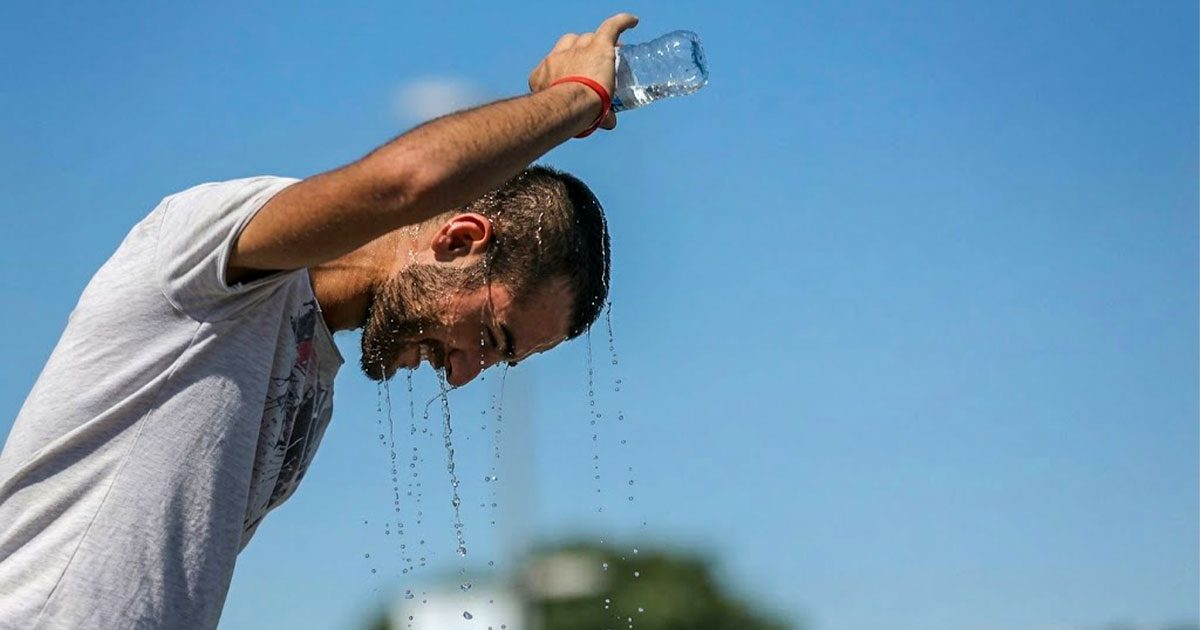
This can be achieved by moving to a cooler or well-ventilated place, using cold water to moisten the skin or bathing, in addition to applying cold compresses to areas such as the neck and wrists, as this has a role in accelerating the dissipation of heat and restoring the body’s balance. If symptoms do not improve or become more severe, medical care should be sought without delay.
And in conclusion, withAs climate change continues to push temperatures to unprecedented levels, confronting heat waves has become part of a broader approach based on adapting to a more volatile climate reality.
From this standpoint, adopting simple practices inside homes and workplaces, in addition to rational use of energy and enhancing building efficiency, contributes to reducing health risks and reducing environmental impact at the same time.
The Earth Guards Foundation believes that building societies more able to adapt to heat waves begins with spreading awareness and changing daily behaviors, which enhances the protection of public health and preserves natural resources.
Integrating sustainable solutions into living patterns and urban planning represents a long-term investment in the health of individuals and the quality of the environment, and keeps pace with efforts aimed at achieving development dimensions.Sustainable socially, economically and environmentally in light of the increasing climate challenges.


