

A new study reveals how cancer cells trick the immune system
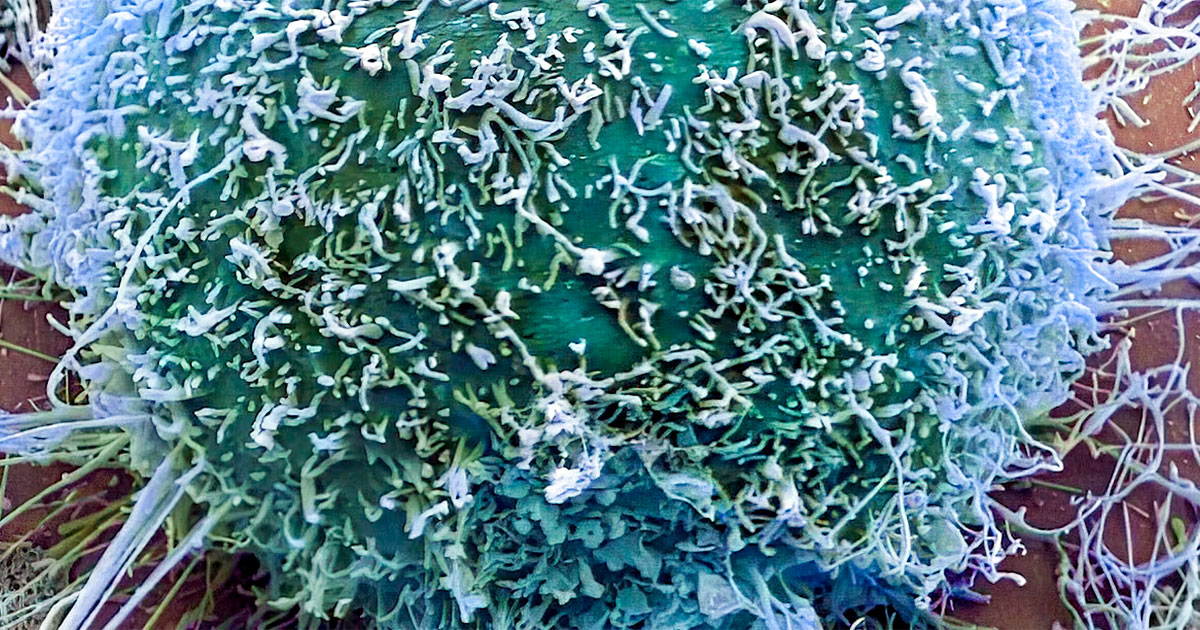

A new study reveals how cancer cells trick the immune system
Despite the great progress witnessed in cancer treatments in recent decades, the ability of tumors to adapt and hide from the immune system still represents one of the biggest challenges facing researchers. The success of cancer cells is linked to their possession of complex mechanisms that help them evade the body’s natural defenses and continue to spread.
In this context, a research team fromUniversity of Cape Townin South Africa succeeded in revealing the details of one of the most important strategies that cancer uses to survive, by tracking changes in a protein known asMUC1. This discovery opens the door to the development of more precise vaccines and treatments, enhancing efforts to improve health care and combat non-communicable diseases.Al-Saria, which intersects with the third goal of the Sustainable Development Goals (SDGs) on good health and well-being.
A new discovery reveals cancer’s survival strategy
Researchers have reached a more precise understanding of the way cancer cells remodel one of the proteins located on the surface of the cells, allowing them to hide from the immune system and creating an environment that helps tumors grow and spread.
The results of the study were published in the journalNature Communications, where the team used advanced methods insynthetic biologyand computational chemistry to accurately map the changes that affect the sugar shell surrounding the MUC1 protein. This achievement represents an important step in understanding one of the most effective tumor survival mechanisms.

How does the MUC1 protein transform from a guardian to a supporter of tumors?
Under normal conditions, the MUC1 protein is the first line of defense that protects breast tissue, lungs, colon, and other organs from bacteria, viruses, and toxins, and also sends signals to the immune system when potential threats exist.
But as cells turn into cancer cells, the sugar chains covering this protein change, transforming from long, complex structures to shorter, abnormal chains, which leads to the disruption of immune signals and transforms the protein from a defensive element into a means that helps tumors evade the immune system.
This shift highlights the importance of scientific research in understanding complex biological mechanisms, which intersects with the ninth goal related to industry, innovation and infrastructure.
How to deceive cancer cellsImmune system?
Alterations in the MUC1 protein lead to the formation of abnormal sugar structures known as Tn and sTn, which are hallmarks of cancer cells. These changes hide tumors from the immune system, and also contribute to creating an anti-inflammatory environment that helps cancer cells grow and spread.
The US National Cancer Institute classifies the MUC1 protein as one of the most promising targets that can be exploited to develop new treatments, due to its presence in many different types of cancer.
Understanding these mechanisms contributes to enhancing opportunities for developing more effective diagnostic and treatment methods, in line with the third goal of good health and well-being.
South African scientists reconstruct the process in the laboratory
The researchers sought to reenact the transformationWhat happens to the glycosylation of a protein in vitro using a test-tube model. The results showed that the enzymes responsible for forming sugar chains move from the Golgi apparatus, which is responsible for preparing and transporting molecules within the cell, to the endoplasmic reticulum, which leads to major changes that support the formation of tumors.
The matter did not stop there, as scientists used quantum chemistry techniques to study the behavior of atoms and molecules, which allowed them to identify a specific site on the protein known as T13, which is the site preferred by enzymes associated with tumors, and contributes directly to increasing the formation of abnormal sugar structures.
From laboratory to patient
Research has moved to a new stage aimed at understanding the effect of these changes on the immune system and the behavior of different cells within the body. Researchers are workingWe are currently developing advanced computational models linking changes in the MUC1 protein to the immune cell response, includingmacrophages (macrophages) that may secrete signals that encourage tumor growth and spread.
The research team is also comparing common types of breast cancer with some of the more aggressive types, in an attempt to understand the subtle differences in the patterns of sugar structures associated with each type of tumor, which may help develop drugs that target these signals more precisely.

Precision medicine opens new horizons for cancer treatment
Scientists hope to use data collected at the atomic level to build integrated biological models that will help discover new drugs capable of removing the “diabetic shield” used by tumors.To hide, allowing the immune system to recognize and eliminate cancer cells.
These results can also contribute to the development of cancer vaccines and new biomarkers that help in early diagnosis, as well as supporting precision medicine trends that depend on designing treatments that suit the biological characteristics of each patient.
This trend reflects the importance of medical innovation in improving the quality of life and enhancing treatment opportunities, in line with the third goal of the Sustainable Development Goals (SDGs).
The Earth Guards Foundationconfirms that progress in scientific research and medical innovation represents one of the basic keys to improving the quality of health care and confronting complex diseases. Understanding the mechanisms that help cancer adapt and survive opens new horizons for developing more precise and effective treatments, which supports buildingHealth systems are more capable of responding to the challenges of the future.


