

Venezuela Earthquake Death Toll Surpasses 1,700 as Search for Survivors Continues
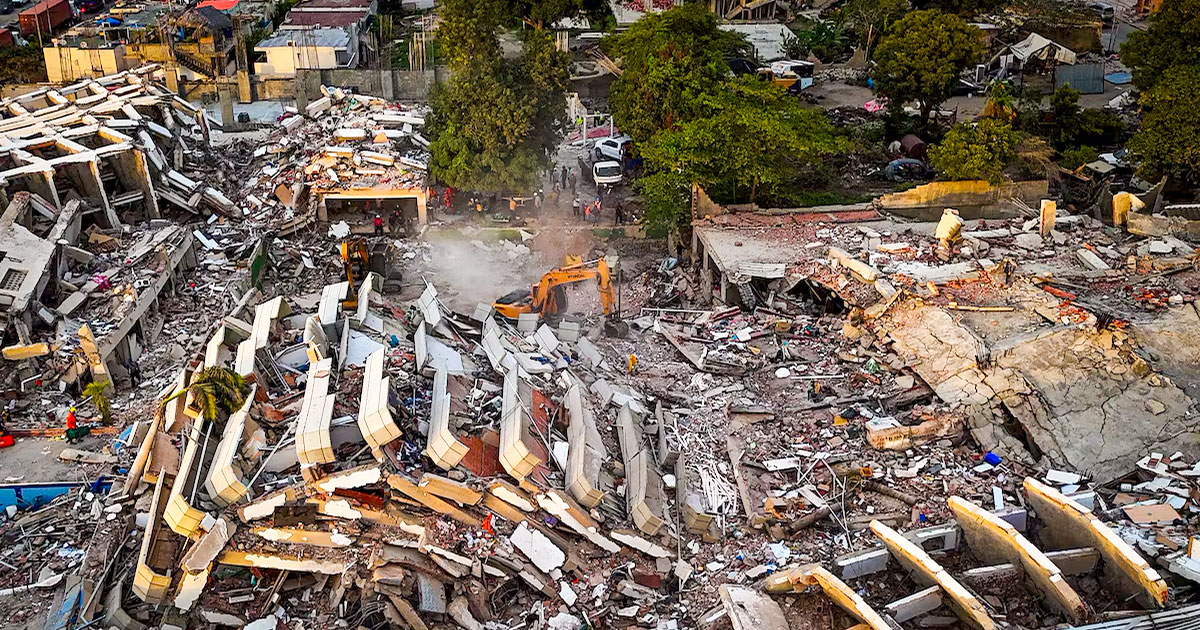

Venezuela earthquake.. The death toll exceeds 1,700 dead as the search for survivors continues
In the past few days, the Venezuelan earthquake has revealed very complex challenges, with the search for survivors continuing and the number of victims rising. This raises the need for there to be a rapid and organized humanitarian response.
Therefore, thisNatural Disaster highlights the importance of disaster management, as it is an essential pillar for protecting lives and accelerating the recovery of communities, in addition to the role of resilient infrastructure and rapid response plans in reducing the effects of natural disasters, in a way that intersects with the eleventh goal of the Sustainable Development Goals (SDGs), which is concerned with building sustainable cities and local communities.
Venezuela earthquake causes lossesWide
Last Wednesday, Venezuela was exposed to two successive earthquakes measuring 7.2 and 7.5 on the Richter scale, immediately beginning one of the largest rescue operations the country has witnessed in its recent years.
As rescue operations entered their fifth day, the Venezuelan authorities announced that the number of deaths had risen to 1,719, in addition to 5,034 injured, while 15,866 Venezuelan citizens were left homeless after their homes were destroyed or exposed to severe damage.

The official data also showed that about 200 buildings had completely collapsed, in addition to hundreds of other buildings being severely damaged. Which increased the complexity of search and rescue operations, especially with the continuing aftershocks that posed an additional challenge for emergency teams.
Indicated locationsAn electronic website created by citizens indicates that about 45,000 people are still missing, as families continue to attempt to access information about their loved ones. Some experts believe that the size of the losses was affected by factors that accumulated over years, including:
- Weak implementation of building specifications
- Maintenance rollback
A human tragedy that exceeds the number of victims
The effects of the Venezuela earthquake also went beyond the silent language of numbers to touch very painful human stories! The most notable of these was the collapse of a hotel that was hosting a number of deportees from the United States, including children, as it is estimated that up to 140 of these people were inside the hotel at the time of its collapse.
And in the mountainous “El Junquito region”,Located 33 kilometers west of the capital, Caracas, the commercial streets were turned into rubble, after the collapse of a large number of buildings and facilities that received visitors on weekends. With many residents losing their homes, dozens of families have resorted to setting up temporary tents in open areas, despite the potential dangers that may be caused by the surrounding cracked buildings.

Regarding this, Tony Abreu – the owner of a candy store in the area – said that he has been living inside a tent since the Venezuelan earthquake after his house and shop became unusable, adding that his family does not yet know where they will move to or how long they will spend inside the temporary camp.
Kelly Ibarra, a 33-year-old beauty technician, also led residents’ demands for the authorities to quickly remove the rubble and inspect the buildings.affected areas, stressing that residents are waiting for practical steps to help them restore their normal lives.

Rescue efforts enter a more complex phase
As time passed, rescue operations became more difficult, but search teams continued their work in various affected areas in the hope of finding survivors. The state of La Guaira witnessed one of the most impactful rescue operations, after the specialized teams were able to extract the young man, “Aaron Levy,” alive from under the rubble after being trapped for 106 hours, in a rescue operation that took about 43 hours.

Broad international support supports those affected
As a result of this disaster, the international community mobilized great efforts to confront the effects of the earthquakeVenezuela the destroyer; The authorities announced receiving aid from 30 countries, most of which was concentrated in the “state of La Guaira,” which was subjected to the greatest degree of destruction.
The most prominent assistance provided included:
- 1,000 tons of humanitarian supplies
- More than 3,600 rescuers
- 118 specialized search and rescue dogs
- Creation of 15 shelter centers in La Guaira state
- Preparing 50 temporary camps to receive families who lost their homes
Repercussions extending to the economy and infrastructure
On the other hand, the effects of the Venezuela earthquake extended to a number of vital facilities, as the power outage causedAn oil refinery was disrupted, along with a petrochemical complex and a number of industrial facilities in the central region of the country.
Despite these challenges, energy sector officials confirmed that oil production and exports continue to operate normally, and that refinery factories in the eastern and western regions are sufficient to meet the needs of the local market, even with the high fuel consumption resulting from the movements of rescue teams and heavy equipment.

Disaster management determines the speed of recovery
Returning to the above, the Venezuelan earthquake has revealed that responding to natural disasters requires managing the recovery phase efficiently, and this is through removing rubble, assessing the safety of buildings, restarting vital facilities, and providing safe shelters for those affected, in addition to ensuring access to…Humanitarian aid to areas most in need.
The speed of coordination between government agencies, rescue teams, and humanitarian organizations also represents an influential element in reducing human and economic losses, especially during the first days following a disaster, when humanitarian needs are at their highest levels.
Investing in resilient infrastructure, raising the efficiency of emergency systems, and developing rapid response plans enhance the ability of cities to confront natural disasters and reduce their effects, which is consistent with the eleventh goal of the Sustainable Development Goals (SDGs): sustainable cities and local communities.
In conclusion, the events that followed the Venezuelan earthquake confirm that recovery from natural disasters depends on the speed of response, the efficiency of coordination, and the readiness of the infrastructure, in addition to the availability of humanitarian support in the first stages after the occurrence.The disaster.
Therefore,The Earth Guards Foundation indicates the need to intensify efforts to achieve the eleventh goal of the Sustainable Development Goals (SDGs); So that the peoples of the world can protect their lives, limit their losses, and build their sustainable future.


