

Battery and grid investments jump to $75 billion to support renewable energy expansion
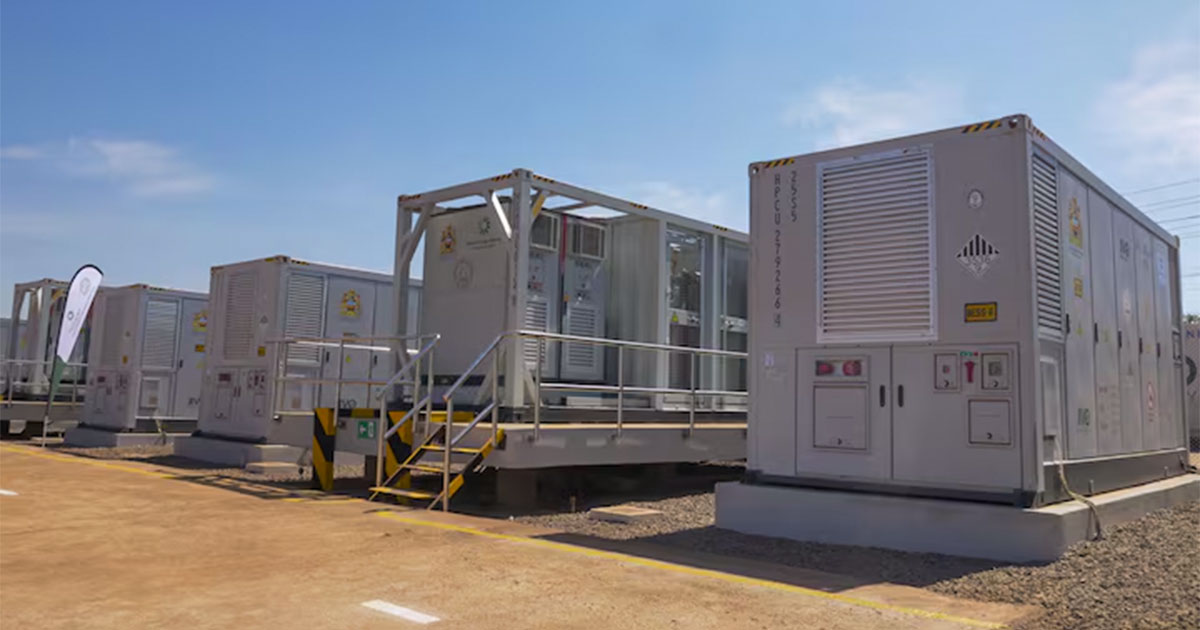

Battery and grid investments jump to $75 billion to support renewable energy expansion
Investment priorities are changing in Renewable Energy As solar and wind generation capacities expand around the world, power companies are increasingly turning to batteries and upgrading grids so they can store excess electricity and move it to times and regions of high demand.
This transition reflects a more mature stage in the renewable energy path; After years of rapid expansion in the installation of solar panels and wind farms, the efficiency of using the electricity produced and the ability of networks to absorb it have become essential elements for continued growth.
Data for 2026 show the extent of this change, after importers globally spent about $75 billion on Chinese batteries and grid equipment during the first seven months of the year, compared to about $19.4 billion on solar systems.
Solar panels are declining
Data on imports of solar systems manufactured in China reveal a clear slowdown after years of rapid growth. After the value of global imports exceeded $5.8 billion in March 2023, they declined to less than half of this level, and averaged about $2.7 billion per month during the year 2026, according to Ember Foundation data.
This decline is presented as a possible indicator of the maturity of the previous phase of expansion in renewable energy, especially after large investments in solar panels over the past years.
Since the beginning of 2018, 40 countries, from Australia to Pakistan and Nigeria, have spent more than $1 billion. Each of them has to import Chinese solar systems, while spending by 12 countries exceeded five billion dollars.
This volume of investment has contributed to greatly increasing solar generation capabilities, so that the priority gradually shifts to how to manage the electricity produced and benefit from it with maximum efficiency.

Electricity surplus changes priorities
Solar systems produce large amounts of electricity during daylight hours, and production may in some periods exceed the actual demand on the network.
Here the importance of batteries, transmission lines, and network management equipment emerges, as these tools allow surplus electricity to be stored and then used when consumption rises or production from renewable sources decreases.
This means success Renewable energy has become linked to the ability of electricity systems to balance production and consumption, as well as continuing to add new generation capacity.
The presence of solar panels alone provides electricity when the sun is available, while flexible infrastructure helps transform this electricity into a reliable resource over longer periods.

Energy storage drives investment
The shifts clearly appear in the value of imports of Chinese batteries and network equipment, which amounted to about $75 billion globally during the first seven months of 2026, an increase of nearly $20 billion over the same period of the previous year. Europe accounted for the largest share, with a value of about $31.1 billion, followed by Asia with about $22 billion.
As Imports from Latin America rose to about $3.9 billion, Africa to $3.8 billion, while Oceania hit a record level exceeding $3.6 billion.
These numbers reveal the transformation of energy storage and network modernization into a growing global market, with countries needing tools to help them absorb the solar and wind energy capabilities that have been added over the past years.
This trend intersects with the seventh goal of the Sustainable Development Goals, concerned with clean and affordable energy, as the development of storage and networks helps increase the actual benefit from renewable electricity and improve its ability to meet demand at different times.
Networks become more important
Storing surplus electricity and releasing it at peak times helps utility companies use it when demand increases, Instead of reducing renewable energy production when the grid is unable to absorb it.
More advanced networks also contribute to redistributing electricity between regions, reducing price volatility, and achieving a better balance between production and demand. Here the importance of real-time network management systems emerges, which allow monitoring electricity flows and directing them according to the needs of the system at every moment.
Modernizing this structure is linked to the ninth goal of the Sustainable Development Goals, which is concerned with industry, innovation and infrastructure, as the shift to electricity systems that rely more on the sun and wind requires networks that are more flexible and capable of dealing with changing sources of production.
Fossil fuels decline at peak
Advanced batteries and electricity grids give utility companies greater ability to use stored electricity instead of Operating fossil fuel plants during periods of high demand.
This ability helps reduce the need for fuel that requires continuous supplies, and may often depend on international trade chains affected by geopolitical crises and logistical disruptions.
This places energy storage among the tools to enhance security of supply in addition to its role in supporting emissions reduction, because renewable electricity produced earlier can become available when the grid needs it.
This also gives battery and infrastructure investments value beyond just supporting solar energy, to become part of how the entire electrical system is managed.

Renewable energy enters maturity
A current shift indicates a change in mode Measuring progress in renewable energy; The number of solar panels or the size of generation capacity provides part of the picture, while storage and grids determine the extent to which countries can use the electricity already produced.

It is estimated that countries’ progress over the next decade will depend more on their ability to store and manage electricity efficiently, and not just on increasing the number of solar panels.
In light of these data, The Earth Guards Foundation confirms that the next stage of the energy transition will be linked to the ability of countries to transform the abundance of renewable electricity into stable supplies that can be used at different times of the day.
This makes investing in energy storage and modernizing networks part of energy security itself, and paves the way For a more flexible electrical infrastructure that can accommodate more renewable sources and reduce dependence on fossil fuels in the long term.


