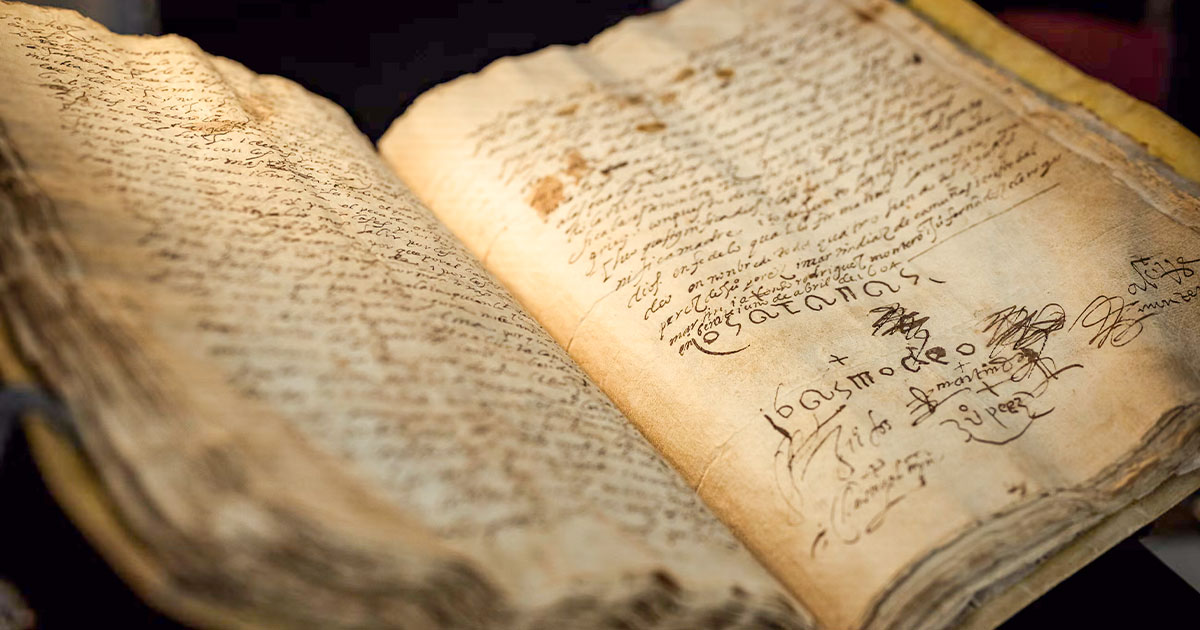
Destructive scanning of books raises controversy.. Does heritage pay the price for training artificial intelligence
Rare book sellers believe that the value of a book may exceed the words printed on its pages; The old copy may contain a personal dedication, handwritten notes, original drawings, or the story of its transfer between different owners. But this material and cultural value faces new questions, with increasing demand for texts used in training artificial intelligence.
Concerns began after a number of used book sellers in Australia received large and unusual purchase orders, which included old and specialized titles that did not have a clear theme. Some of them doubted the possibility of these books entering a supply chain that would end with them being digitized, their content being used to develop linguistic models, and then the paper copies being disposed of.
Although the investigation did not prove that Australian books sold were destroyed, the vague requests have reopened debate about the ways technology companies collect texts, and the extent to which they are able to distinguish between a widely used commercial book and a rare copy that is part of cultural memory.
A number of sellers received orders from a Canadian company called “Zoom Books,” which describes itself as a book recycling company. Orders came through large platforms selling used books, where cheap books are mixed with old and rare titles.
The owner of a bookstore spoke about a request for between 30 and 40 books, which required searching for them, preparing them, and shipping them in three complete boxes. Another store in Melbourne also received a group of orders that seemed unconcerned with the price, includedSpecialized and old books, some copies of which have been on sale for decades.
One submission combined a soil mechanics manual from the 1970s, a book about New Zealand’s cycling heroes, a collection of early Australian poetry, and a book about the local history of a Melbourne suburb.
Although this diversity does not provide direct evidence that orders are related to AI training processes, it has led sellers to wonder why they are purchasing so many titles that do not appear to be aimed at a traditional reader or collector.
What is destructive scanning of books?
Sellers’ concern increased after the disclosure of court documents in a lawsuit filed by authors against the American company Anthropic, which showed that the company used what is known as “destructive scanning.”
The process begins with purchasing paper books, then cutting their backs or removing their binding until the pages separate. The pages are then quickly scanned, their content converted into searchable and processable digital text, while the remaining copies are destroyed or reduced to pulp.
This method saves a lot of time when digitizing large numbers of books, compared to photographing each page while maintaining the binding. Companies also provide various texts that can be used in training artificial intelligence, especially on specialized or local topics that may not be available in sufficient quantities on the Internet.
A US judge ruled that the digitization of books that Anthropic had legally purchased for internal transformative use was lawful under the circumstances of the case. The copyright ruling did not resolve the cultural and ethical question about the fate of the paper copy, especially when it is…Rare or difficult to replace.
Rare books carry a story that goes beyond the text
Booksellers differentiate between a commercial book that has hundreds of thousands of copies and a book that has only a limited number. In the first case, the dismantling of the book may raise copyright issues, but the loss of a single copy will not usually lead to the disappearance of the work itself.
As for rare copies, they may carry a value that is not transferred to the digital file. The quality of paper, binding, drawings, footnotes, and dedications can reveal a historical period, a local community, or a personal relationship between the reader and the book.
One seller says that destroying a book of which there are many copies may be acceptable from a commercial perspective, but it becomes terrible when it comes to a unique copy with a special story.
These concerns show that converting the book intoData for training AI Preserves written content, although it may lose the properties and history of the physical copy. A digital file can convey words and images, but it does not always preserve the story of the book as a cultural artifact.
Between legitimate sale and ambiguity of end use
Anthropic explained that it did not purchase books from Zoom Books, and that sourcing books from marketplaces is a widely used approach in the language modeling sector. She also said that her programs do not buy rare or antique books with the aim of destroying them.
For its part, Zoom Books denied carrying out destructive scanning or digitizing books, and said that it buys used books and then resells them intact, while recycling copies for which it cannot find buyers.
The company did not discloseAbout the identity of its clients, noting that its commercial agreements require confidentiality. Therefore, there is no evidence linking the orders received by Australian sellers to a specific company engaged in AI training, nor can it be confirmed that these books were dismantled or destroyed.
This case reveals the ambiguity of the supply chain; The book seller may deal with an electronic platform, intermediary, or resale company, without knowing the final buyer or the purpose for which the copy will be used.
How do we protect printed heritage?
The process of collecting books and data requires criteria that distinguish between a commercially available text and a copy that carries special historical or social value. This could start with examining books before they are entered into scans, excluding rare and one-off copies, and cooperating with libraries and archives to verify their value.
Companies can also use digitization methods that preserve binding when it comes to important copy, as well as increase transparency around the data sources AI training purpose of large purchase orders.
This path is linked to Sustainable Development Goal 11 on sustainable cities and communities, specifically target 11.4 which calls for strengthening efforts to protect cultural heritage. Books, local editions, and rare copies are part of the communities’ memory, even when they are found from private sellers or collectors.
It also relates to Goal 12 related to responsible consumption and production, especially Goal 12.5 on reducing waste through prevention, reuse and recycling.However, recycling book papers does not compensate for the loss of a rare copy, which makes preservation and reuse a priority that precedes the decision to destroy.
In this context, The Earth Guards Foundation warns that developing artificial intelligence training techniques requires a balance that protects innovation, authors’ rights, and printed heritage at the same time. Models need the knowledge contained within books, while societies also need to preserve copies that document their history and identity; Therefore, clarity of data sources and examination of books before digitizing them becomes an essential step to prevent technological development from turning into a cultural loss that is difficult to replace.