

Drinking water records high levels of eternal chemicals in the Netherlands


Drinking water records high levels of eternal chemicals in the Netherlands
In a country famous for the quality management of its water resources, recent measurements have revealed a challenge that is difficult to see with the naked eye. More than a third of the Netherlands’ population lives in areas where levels of eternal chemicals in drinking water exceed the guideline value set by the National Institute for Public Health and the Environment.
The results came within an analysis conducted by Greenpeace Greenpeace based on data from the ten drinking water companies in the country, showing the highest concentrations in the western Netherlands, while levels varied clearly from one city to another.
Despite these violations, the Dutch National Institute for Public Health and the Environment continues to Volksgezondheid en Milieu (RIVM) and the association of Dutch drinking water companies Vereniging van waterbedrijven in Nederland (Vewin) have advised residents to drink tap water, at a time when companies are working to reduce levels of per- and polyfluoroalkyl substances (PFAS) through more advanced purification techniques.
This paradox places the issue between three overlapping paths: protecting drinking water, the risks associated with prolonged exposure to chemicals, and the question of who bears the cost of removing pollutants capable of remaining in the environment for many years.
Higher levels in the western Netherlands
The regions of Zaandam and Immuiden had the highest levels reported in the Greenpeace analysis, with PFAS concentrations in tap water exceeding the guideline value by more than three times.
In Alkmaar and Den Helder, levels were about two and a half times the recommended value, while Amsterdam more than doubled it.
The list of municipalities with large populations that showed levels exceeding the guidelines included cities and regions including Zaanstad, Haarlem, Amsterdam, The Hague, Rotterdam, Leiden and Dordrecht.
To give residents a closer picture of the reality of their areas, Greenpeace has launched a tool based on zip code, allowing the user to know the measurements of PFAS recorded in tap water where he lives.
These geographical differences give the Forever Chemicals file a local dimension; The problem, which appears national when looking at a third of the population, varies in severity from one water network to another and from one municipality to another.
Why are they called eternal substances?
PFAS refers to a group of thousands of chemicals developed by industry and used in various products and processes. These compounds can reach water through industrial discharges and the air, and can also return to the environment when products containing them are disposed of.
Their description as “forever chemicals” comes from their great ability to resist decomposition, which allows them to remain in the environment and move through water and soil for long periods.
And here begins the real challenge for water companies. Every substance that persists in the environment requires continuous monitoring and treatment, and preventing its entry into water sources becomes as much a part of the solution as it is important to purify it after it arrives.
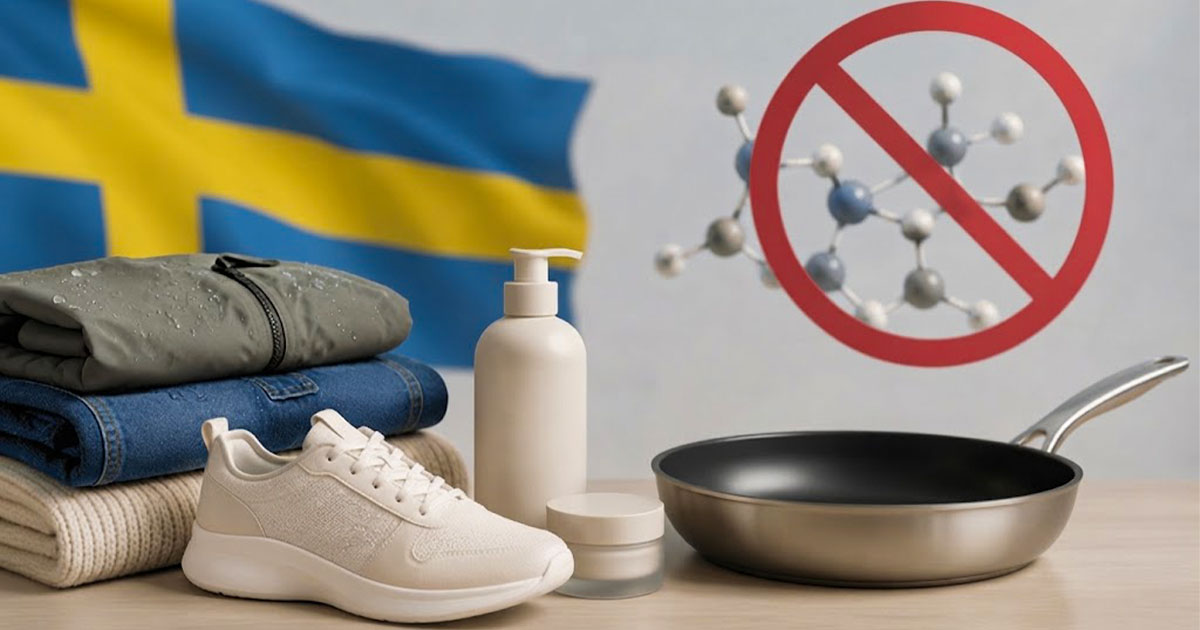
To learn how the eternal chemicals file appeared in another European country, read : Sweden moves to ban eternal chemicals.

Water and health in one path
Does water pollution remain an environmental issue when the substances in it are linked to human health?
Studies say that long-term exposure to some types of eternal chemicals is of health concern, as it has been linked to high cholesterol levels, effects on the immune system, and increased risks of some types of cancer.
This question approaches the third goal of the Sustainable Development Goals, related to good health and well-being, directly from the drinking water issue; Protecting health also starts from Reducing residents’ long-term exposure to contaminants found in the resources they use daily.
Regular monitoring of measurements is even more important with substances whose traces accumulate over time, especially when they are spread across sources used by millions of people.
The water remains safe to drink
Despite the levels revealed by Greenpeace’s analysis, the Dutch National Institute for Public Health and the Environment and the Association of Drinking Water Companies continue to recommend that residents rely on tap water.
This point highlights the importance of differentiating between exceeding the indicative value and declaring the water unfit for consumption. The official authorities received maintained their current recommendation, in conjunction with the efforts of water companies to reduce PFAS concentrations.
On the other hand, The results prompt increased attention to levels of these substances and how to reduce them, especially in areas with the highest excesses.
This presents water companies with a dual task: maintaining a regular supply for the population, while at the same time developing filtration processes to deal with highly persistent pollutants.
More advanced purification and higher bill
Reducing eternal chemicals in drinking water requires investments in newer and more advanced filtration systems, and here the issue moves from the laboratory and treatment plant to the household budget.
Greenpeace indicates that average household drinking water bills have risen by more than 50% over the past decade, and the organization believes that consumers bear an increasing portion of the cost of dealing with pollution, the responsibility of which is attributed to Chemical industry.
This point opens a question that goes beyond the Netherlands: When a highly persistent synthetic substance reaches a public water supply, who bears the cost of removing it?
Responsibility begins before the purification station
Based on the twelfth goal of sustainable development, concerned with responsible consumption and production, the treatment of chemicals begins from the cycle of their production, use and disposal, because reducing the access of pollutants to the environment reduces the burden that is later transferred to water networks and treatment plants.
Greenpeace pushes this trend by tying the cost of purification to the industries responsible for releasing PFAS, while water companies work on the other side of the problem by removing what has already reached drinking sources.
This intersection reveals the importance of dealing With eternal chemicals from source to tap, through controlled use and emissions, continuous water metering, and treatment technologies capable of reaching lower levels.
Clean water starts from the source
As purification systems improve, water companies can reduce contaminant concentrations further, but the continued entry of highly persistent substances into the environment keeps the need for treatment and increases its cost over time.
Hence, the issue reaches the goal of the sixth goal of sustainable development, regarding clean water and sanitation. Access to safe water is linked to the quality of the source, the efficiency of purification, continuous monitoring, and the ability to prevent contaminants before they reach drinking networks.

And based on what the case reveals The Dutch The Earth Guards Foundation puts pollution prevention at the forefront of protecting water resources. Every substance prevented from reaching rivers and groundwater reduces the need for more complex treatment, reduces cost transmission to the consumer, and protects public health in the long term.
The eternal chemicals issue gives this principle a clear meaning: Drinking water quality begins long before the purification plant, with decisions about where chemicals are used, how they are disposed of, and what ultimately reaches the environment.


