

France’s protests confuse Macron’s government… 2,400 arrests and anger exceeds limits
France's protests confuse Macron's government… 2,400 arrests and anger exceeds limits
She left behind France protests Widespread devastation was felt in the streets of Paris, where fires broke out and shop windows were destroyed, while smoke rose from public buildings in other French cities, after days of unrest that ended with the arrest of about 2,400 people. While the authorities were trying to contain the violence, the government of President Emmanuel Macron found itself facing a crisis that went beyond security challenges, affecting the conditions of schools, the costs of living, and trust in public institutions.
The protests began with student demands related to the shortage of teachers and the deterioration of educational facilities, and then expanded with the participation of parents, workers, and other social groups demanding improved wages and public services. As tensions escalated on October 17 and 18, 2026, the scene of peaceful marches was mixed with acts of vandalism and looting carried out by other groups, sparking criticism of security preparations and the government’s response.
The events coincided with protest movements in other European countries, although their causes varied, including the housing crisis High prices and objection to the economic and political conditions.
From schools to the streets
Student movements began in France in late September 2026, shortly after the start of the school year, to protest conditions that participants described as hindering their access to a proper education.
The demands included providing teachers to fill the gap in schools, repairing deteriorating classrooms and buildings, reviewing the length of the school day, and increasing the clarity of university admission procedures. According to press coverage, some students were missing long periods of study due to the absence of teachers without providing substitutes.
And with continuation France protests With the entrances to some schools closed, parents, teachers, and individuals from other professional groups joined the movements, before the demands expanded to include high costs of living, weak purchasing power, and increased spending on public services.
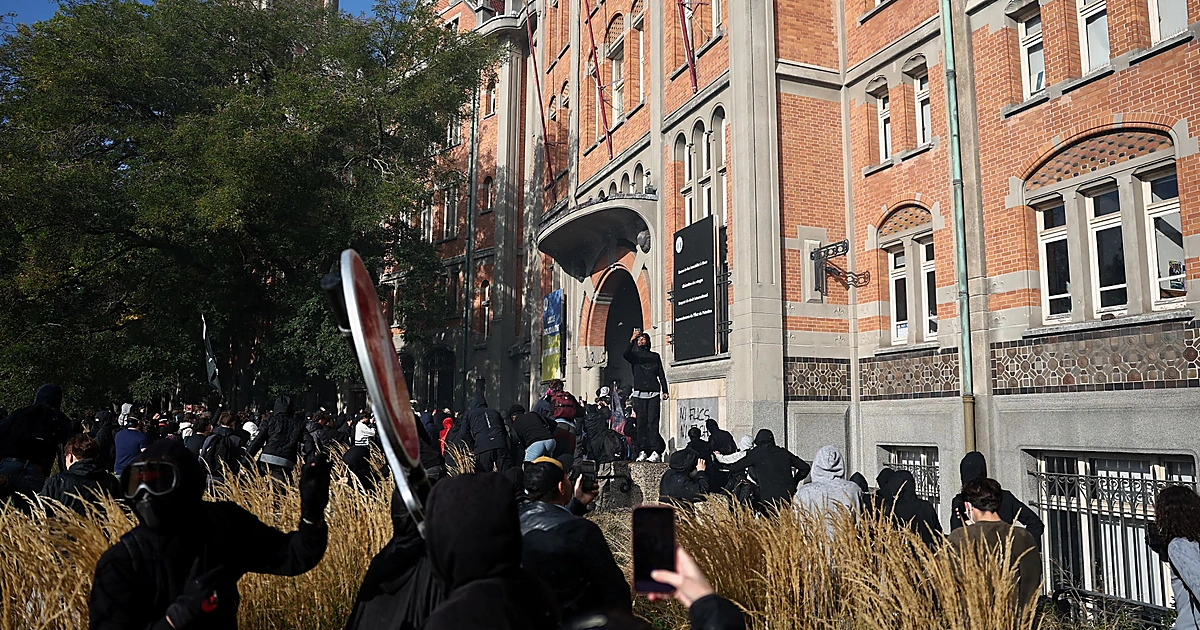
And he announced The French General Confederation of Labor (Confédération générale du travail) (CGT), One of the largest union organizations in the country, has supported the protests, demanding better wages and pensions and lower prices.
These demands raise a question related to purpose A4 of The fourth goal of the Sustainable Development Goals, concerned with quality educationHow can equitable educational opportunities be ensured if school buildings are not prepared, or educational institutions are unable to provide teachers on a regular basis?
The importance of this question goes beyond the French crisis, as providing an appropriate educational environment is linked to the ability of societies to build skills and reduce gaps between students. To expand on the relationship between the quality of education and development, you can read the file Education for sustainable development Posted on the website The Earth Guards Foundation.
Violence and widespread arrests
I reached France protests A new peak occurred on Saturday, October 17, when tens of thousands took part in peaceful marches in several cities, before other areas witnessed confrontations with the police, fires, acts of vandalism, and looting.
In Paris, bicycles and containers were used to set up barricades in some streets, cars and rubbish were set on fire, while groups threw bottles and stones towards security forces, who responded using tear gas and crowd control bombs.
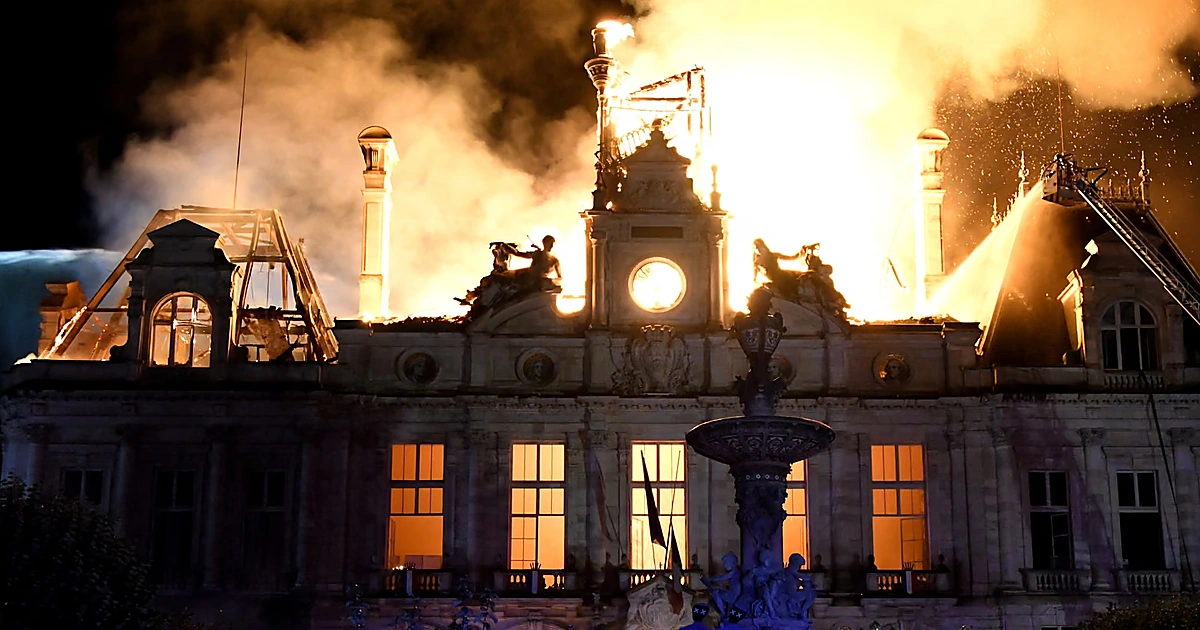
The unrest spread to cities including Marseille, Lyon, Bordeaux and Limoges, where public buildings and shops were targeted, and a historic municipal headquarters in Limoges was subjected to a major fire. Marseille also witnessed masked groups storming public buildings, including the municipal headquarters and a police station.
According to a tally reported by the French Ministry of the Interior, the number of arrests reached about 2,400 people nationwide, including 855 in Paris, while nearly a thousand police officers were injured during Saturday’s events, seven of them seriously.
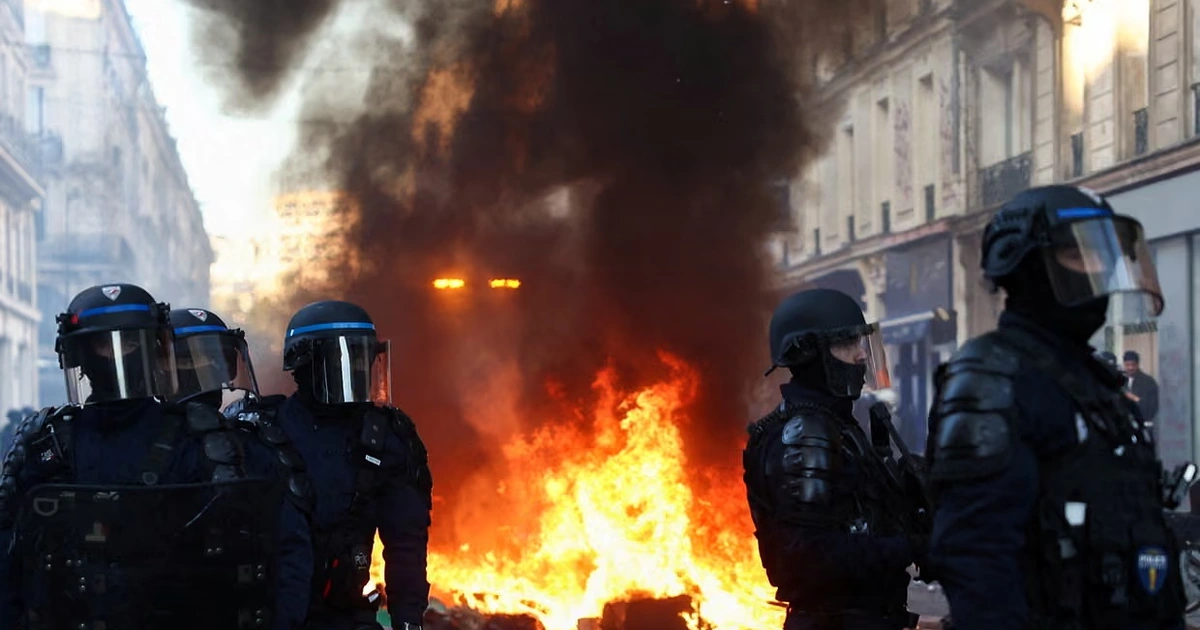
Trade associations estimated that more than 1,500 stores and commercial establishments were subjected to acts of vandalism or looting, with significant financial losses.
Serious injuries were not limited to security forces; Coverage reported that a 17-year-old boy lost his right hand after a bomb used to control crowds exploded in the city of Saint-Etienne, and a girl of the same age was injured, leading to the loss of one of her eyes in Mulhouse, with an investigation being opened into the circumstances of her injury.
These facts confirm the necessity of distinguishing between participants in peaceful marches and groups that were involved in acts of violence. Arrest does not mean that the detainees are proven guilty, while responsibility for the injuries remains subject to investigation according to each incident.
Macron is under pressure
placed France protests Macron's government is facing increasing political pressure, amid criticism from various parties of the security services' performance and their preparedness to deal with the extent of the unrest.
In a televised speech, French President Emmanuel Macron condemned the acts of violence and vandalism, stressing the need to distinguish between those with peaceful demands and the groups that exploited the protests to attack property and loot stores.
Macron authorized local officials to ban some gatherings when they deemed that security conditions required it, while the way the police dealt with the incidents raised questions about the proportionality between measures to maintain order and protect the right to peaceful protest.

The crisis extended to Interior Minister Laurent Nunez, who faced calls to resign from politicians on both sides of the party scene. According to what the Elysee Palace announced on the morning of Monday, October 19, Nunez submitted his resignation on Sunday, but the president refused to accept it, and asked him to review the shortcomings in planning and security information and develop methods for dealing with unrest.
Here the goal 16.6 of… Sustainable Development Goal 16, on peace, justice and strong institutions, which calls for building effective, transparent and accountable institutions. This goal becomes especially important when the authorities must protect lives and property, investigate abuses, and respond to public demands at the same time.
The government's response was not limited to the demands France protests on security measures; It announced the provision of three thousand substitute teachers, the involvement of students in making decisions regarding schools, and the reversal of planned increases in some university registration fees. However, the expansion of demands for wages, prices, and public services has raised ongoing questions about the adequacy of these steps.
The anger extends beyond France
It wasn't France protests The only social movement that Europe has witnessed in recent weeks, as demonstrators took to the streets in other countries, although the reasons for the protests and their timing differed from one country to another.
In Spain, the housing crisis, high rents, and objection to evictions emerged, while Portugal witnessed gatherings demanding affordable housing and improving purchasing power, in light of the significant rise in house prices over the past years.

In Italy, a march was launched in Milan to peacefully protest the costs of living, before witnessing confrontations between masked groups and the police. Belgium also witnessed movements related to living conditions, while Albania continued protests against the government against the backdrop of accusations of corruption, lack of jobs, and decline in the level of education.
These events reveal varying social and economic pressures, but they do not represent a unified European protest movement. Local reasons and political contexts differ, and some movements began before the recent escalation in France.
A crisis of livelihood and confidence
reveal developments France protests Containing security unrest is one aspect of the challenge facing the authorities; The demands that pushed students and their families into the streets relate to ongoing daily problems, starting with the absence of teachers and extending to prices, wages, and quality of services.
These issues affect citizens' feelings about the ability of institutions to respond to their needs. When the quality of education declines or the burden of living increases, public policies become the subject of broader debate regarding spending priorities, the distribution of opportunities, and the extent of listening to affected groups.
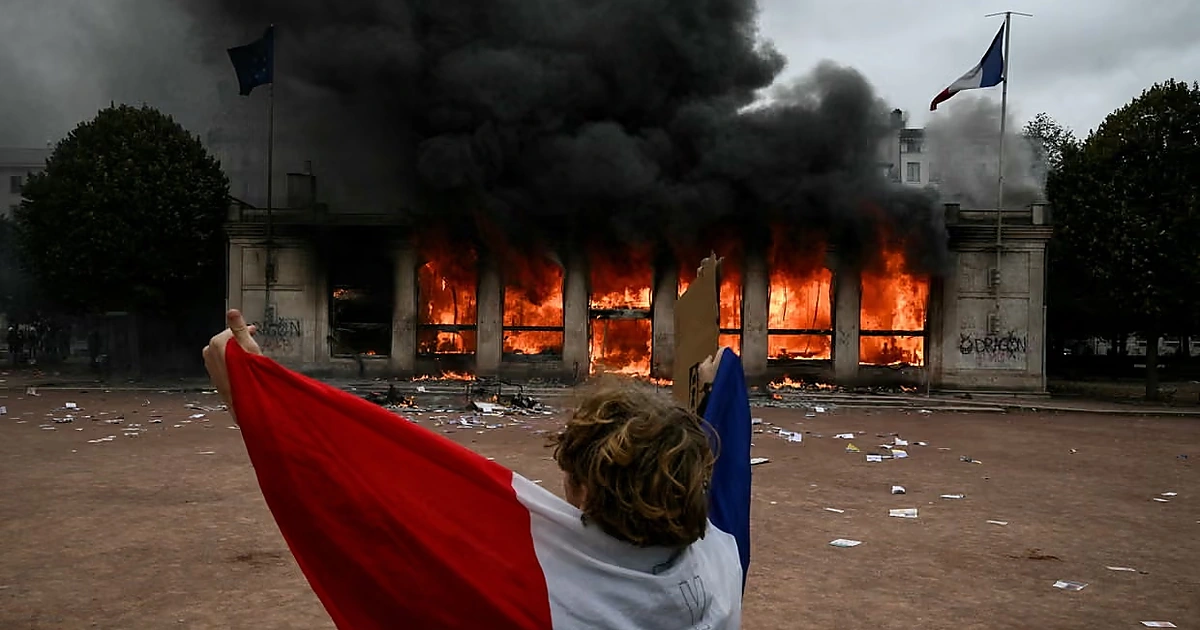
The crisis thus opens a way to consider the relationship between social justice and the stability of societies, which is one of the issues it addresses The Earth Guards Foundation Within its interest in sustainable development goals. Developing public services, responding to complaints, and clarifying accountability procedures are factors that contribute to building trust between individuals and institutions.
As the debate continues in France about the causes of violence and how to deal with it, the challenge beyond reopening the streets and repairing damaged buildings remains addressing the demands from which the protests began. Restoring calm may require urgent security measures, while restoring confidence requires results that citizens can see in their schools, services, and living conditions.


