

A study in Nigeria reveals disparities in health care provided to women with disabilities
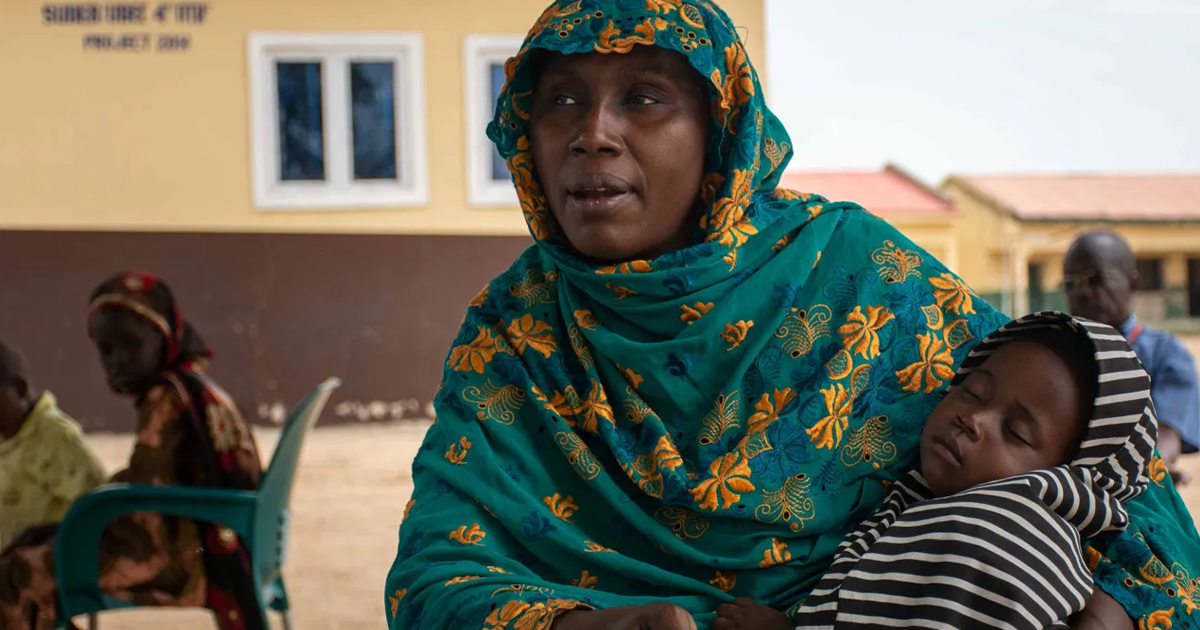

A study in Nigeria reveals disparities in health care provided to women with disabilities
The experience of women with disabilities in Lagos reveals that access to health care during pregnancy and childbirth is determined by the presence of hospitals or medical services, as well as linked to the woman’s ability to access them and actually benefit from them.
A recent study that included women with physical or visual disabilities showed that rates of use of maternity services seemed high overall, but this picture concealed clear disparities between participants. Opportunities to obtain care were affected by place of residence, level of education, marital status, and economic situation of the family.
The results indicate that improving maternal health needs to consider the circumstances surrounding women in addition to their quality The medical service itself, especially for groups that may face additional restrictions in accessing and utilizing care.
Maternal mortality reveals the scale of the crisis
Pregnancy and childbirth complications remain among the most prominent health risks facing women in many regions of the world, especially when health care is delayed or its quality is poor.
It is estimated that about 70% of global maternal deaths occur in sub-Saharan Africa, where the difficulty of accessing maternity services in a timely manner is one of the challenges facing health systems.
Nigeria stands out in particular in this file, as it alone accounted for about 29% of the total global maternal deaths during the year 2023, equivalent to about 75 thousand deaths, which is the highest number recorded by a country during that year.
The situation of women with disabilities becomes more complex, because they may face additional difficulties related to transportation, setting up facilities, the way service providers interact, and accessing health information.
These numbers give special importance to Target 3.1 of the third Sustainable Development Goal, which aims to reduce the global maternal mortality rate to less than 70 deaths per 100,000 live births by 2030. Providing appropriate care for groups facing additional barriers becomes an essential part of progress towards this goal.
250 women reveal the reality of Lagos
Researchers Obasanjo Bolarinwa and Abdulaziz Sidhu conducted a study published in the open journal Social Sciences and Humanities entitled Maternal healthcare utilisation among women with disabilities in Lagos, Nigeria examined the use of maternity services among women with disabilities in Lagos, with the aim of understanding how women with disabilities in Lagos access health care services related to pregnancy, childbirth and beyond.
The study, which was conducted in late 2024, included 250 women with physical or visual disabilities in Alimosho and Ikorodu areas of Lagos State, two areas that include both urban and rural communities.
The sample included women who had given birth during the previous twelve months, and the researchers asked about the extent of their access to care during pregnancy, childbirth in a health facility, and postpartum care, in addition to studying the effect of education, income, marital status, and place of residence on the use of these services.
The study focused on a basic question: Why do some women access maternity services more easily than others despite their presence in… The health system itself?
Health care rates appear high
The results showed that 82.4% of the participants received care during pregnancy, while 70.4% of them gave birth in a health facility, and 78.4% received postpartum care.
These percentages appear high compared to broader national data in Nigeria. In the 2024 survey, about 63% of women received prenatal care from a skilled provider, while 43% gave birth in a health facility, and about 43% received a postpartum checkup within two days.

But this comparison only provides general context; The local study and the national survey differ in the scope of participation and the way some services are measured, and their numbers alone do not allow us to conclude that women with disabilities receive better care than other women in Nigeria.
As The results of the study were higher than some of the rates recorded among women with disabilities in low- and middle-income countries such as Ethiopia, Nepal, and Pakistan.
But the researchers warn against being satisfied with these positive numbers, because the averages hide important disparities within the same group in access to health care. Also, using the service does not necessarily mean obtaining care that meets all of the woman’s needs or has the required quality.
For more about maternal health and sustainable development, read: Good health.. How does it contribute to achieving sustainable development? .
Education and income determine access
The researchers found that women residing in Ikorodu were more likely to use the three services than those residing in Alimosho, even though the latter is a densely urban area Within the city of Lagos.
Education also played a clear role, as women with a secondary or university education were more likely to receive care during pregnancy, childbirth, and beyond than those with no formal education.
Marital status also appeared to be an influential factor, as married women recorded higher rates of using maternity services. The researchers believe that financial, practical, and social support from the partner may facilitate paying the costs of treatment, providing transportation, or accessing health facilities.
Women from wealthier families also accessed health care at higher rates than women from lower-income families.
These results reveal that the gap is related to the medical structure, and also extends to education, income, transportation, and family support, in a way that intersects with the tenth goal of the goals. Sustainable development, specifically target 10.2 which calls for promoting the social and economic inclusion of all individuals, regardless of disability or other circumstances.
Improving care requires more than hospitals
The study believes that improving maternal health in Nigeria requires interventions that respond more directly to the needs of women with disabilities.
Recommendations include reviewing maternal health programs to ensure they suit their needs, training healthcare workers to provide more respectful and appropriate services, reducing financial burdens, and supporting transportation to reach medical facilities.

The experiences of other countries provide usable models. Nepal introduced the concepts of comprehensive care for women with disabilities into the training of midwives, while it trained Rwanda nurses and midwives on principles of disability inclusion and sign language.
These measures become increasingly important as Nigeria commits to reducing the maternal mortality rate to less than 70 deaths per 100,000 live births by 2030, compared to an estimate of 1,047 deaths per 100,000 live births in 2020.
The results of the study reveal an important dimension in the issue of health justice, which is of interest to The Earth Guards Foundation within its coverage of the sustainable development goals; Access to health care is linked to a woman’s ability to access a medical facility, understand the information provided to her, and receive a service that suits her needs.
In Lagos, figures showed that high rates of use of maternity services can coexist with wide disparities among women themselves. The next step is to reduce this Gaps, so that the availability of the service turns into an equal opportunity to benefit from it, regardless of disability, income, or place of residence.


